The electrical system is the heart of any golf cart, and the batteries and charger are the most critical — and most commonly misunderstood — parts of that system. Buy the wrong charger or a mismatched cable, and you're looking at everything from sluggish performance to a genuinely dangerous charging situation. This guide cuts through the confusion so you can shop with confidence.
Voltage First, Everything Else Second
Before you look at anything else, lock down your cart's voltage. Most golf carts run on either a 36-volt or 48-volt system, though older carts and some specialty models differ. Mixing voltages — running a 36V charger on a 48V pack, for example — is one of the most common and most costly mistakes owners make. It won't just charge poorly; it can permanently damage your batteries or create a fire hazard. Check your owner's manual or count the cells in your battery bank to confirm the system voltage before purchasing anything electrical.
Charger Compatibility Goes Beyond Voltage
Voltage is necessary but not sufficient. Chargers are also make- and model-specific because different manufacturers use different charge receptacle styles and charging algorithms. A charger designed for a Club Car DS uses a different plug configuration than one designed for an EZGO RXV or TXT, even if the voltage matches. Automatic chargers with onboard microprocessors are especially finicky — they're programmed to communicate with a specific battery chemistry and plug type. Always verify that a charger lists your specific cart make, model, and year range before purchasing.
Automatic vs. Manual Chargers
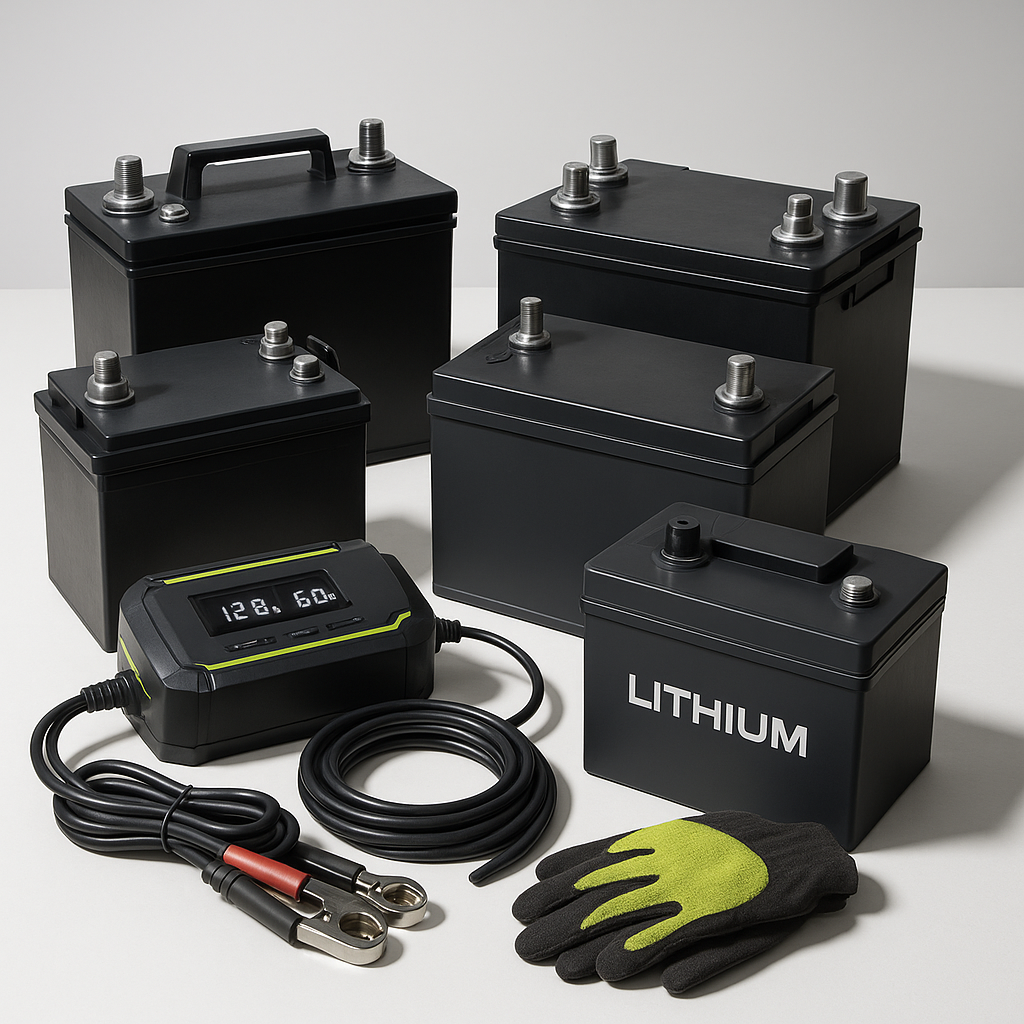
Modern automatic chargers are almost always the better choice for everyday owners. They taper the charge rate as the battery approaches full capacity, then shut off automatically — preventing the overcharging that kills lead-acid batteries faster than almost anything else. Manual or trickle-style chargers require you to monitor the charge cycle yourself, which most people don't do reliably. If you're storing a cart for the off-season, a smart automatic charger with a maintenance mode is particularly valuable for keeping your battery pack healthy without babysitting it.
Battery Cables: Don't Overlook the Basics
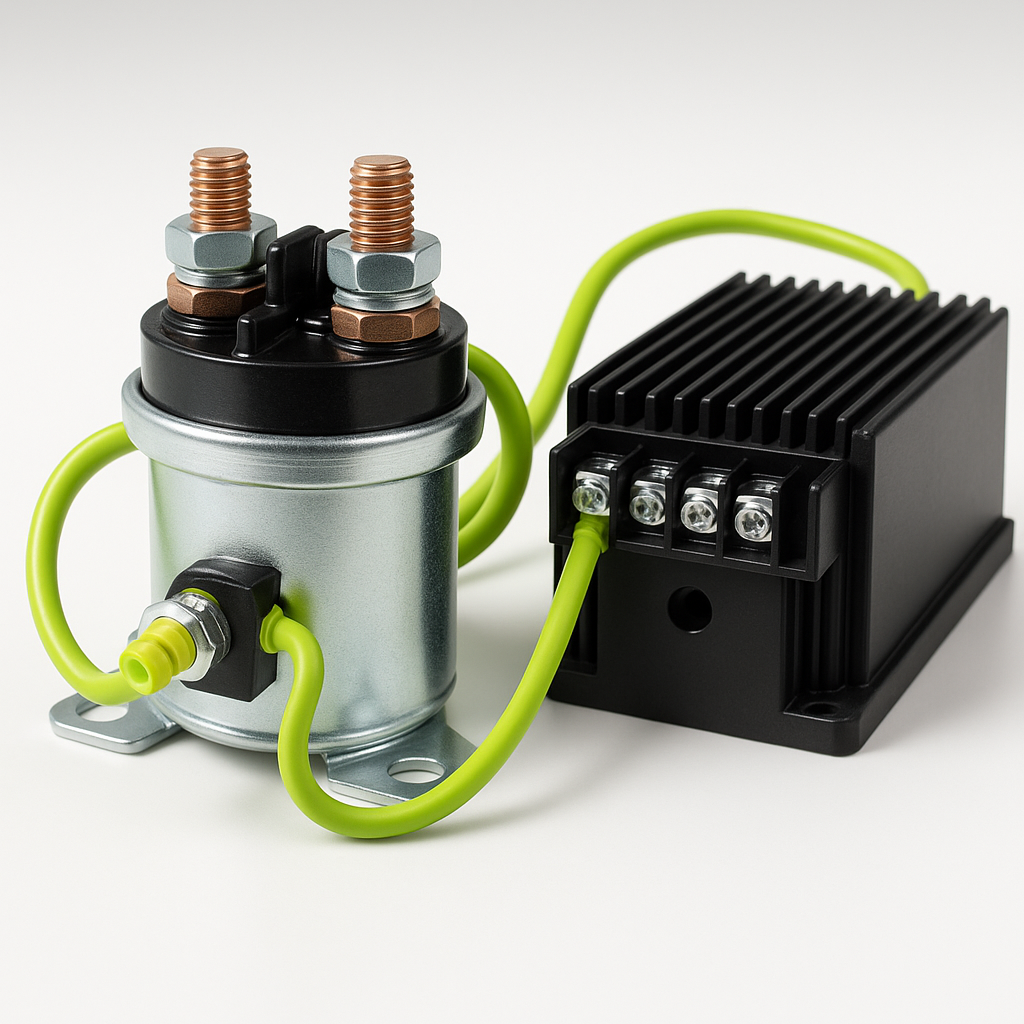
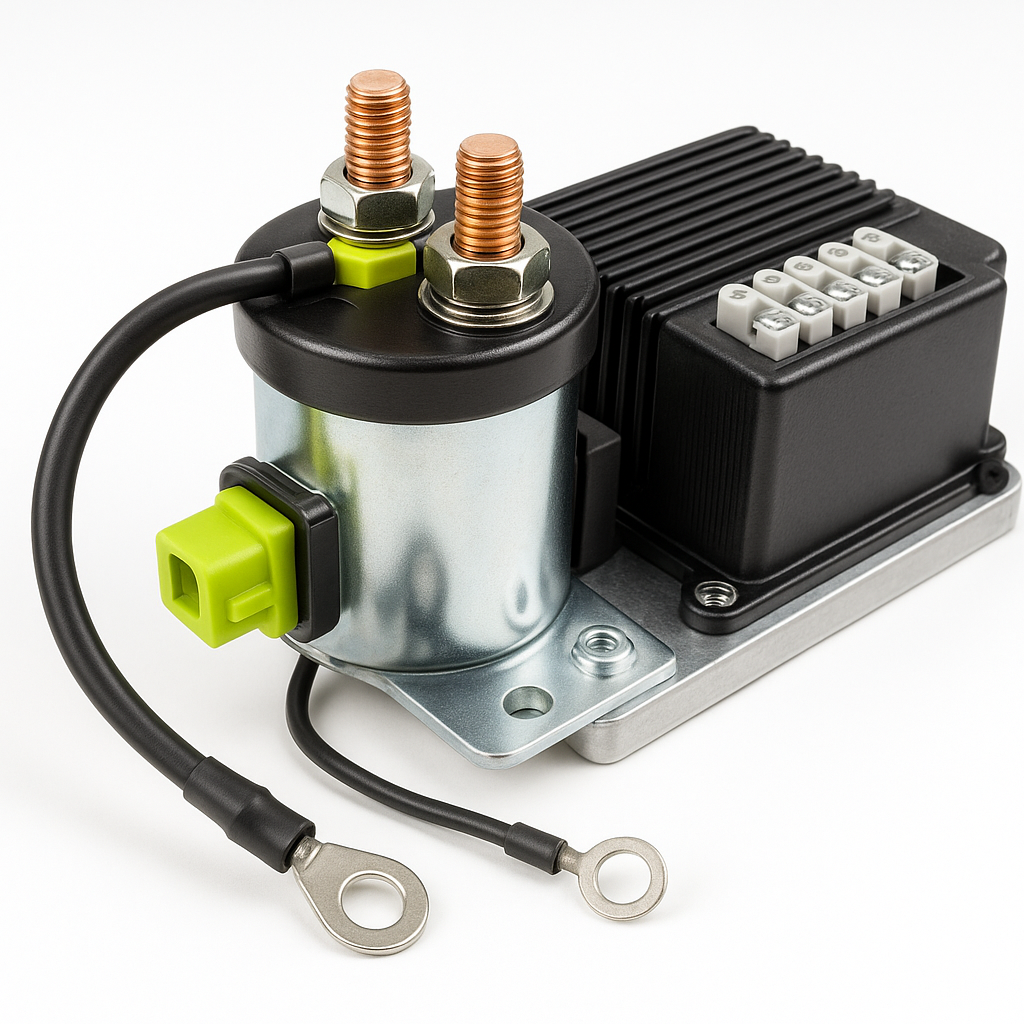
Battery cables are one of those parts that get ignored until they fail — and when they do, the symptoms often look like a battery problem rather than a wiring problem. What to look for: adequate wire gauge for your cart's amperage demands, high-quality terminal ends that are properly crimped or soldered (not just clamped), and insulation that won't crack or corrode. Cables are often model-specific because terminal orientation, length, and connector style vary between cart models and model years. A universal cable can work in a pinch, but a direct-fit cable designed for your specific cart is always the cleaner, more reliable solution.
Model-Year Fitment Really Does Matter
Golf cart manufacturers have made running changes throughout production runs — sometimes mid-year. An EZGO TXT from the mid-1990s may have a different battery tray layout, cable routing, or charge port than one made a decade later, even though they share the same model name. When you see a fitment listing that specifies a year range, take it seriously. If you're not sure of your cart's exact model year, check the serial number plate (usually located under the seat or on the frame) and cross-reference it with the manufacturer's serial number decoder — most are available free online.
Lead-Acid vs. Lithium: A Quick Word
The market has shifted noticeably toward lithium battery conversions in recent years, and if you're replacing a full battery pack rather than just a cable or charger, it's worth understanding the tradeoff. Lithium packs are lighter, charge faster, and last significantly longer cycle-for-cycle — but they require a lithium-compatible charger with the correct charging profile. You cannot use a standard lead-acid charger on a lithium pack. If you're doing a full conversion, budget for a compatible charger as part of the project, not as an afterthought.
Bottom Line
Shop batteries and chargers the same way you'd shop for any safety-critical part: confirm your voltage, verify your make and model compatibility, and don't cut corners on cable quality. A solid electrical foundation keeps the rest of your cart performing the way it should — and keeps you from chasing phantom problems that were really wiring issues all along.