Golf carts rely heavily on their electrical systems, particularly the solenoid and motor controller, to function properly. When these components fail, it can lead to a range of issues, from the cart not moving at all to erratic behavior while driving. Understanding how to diagnose these problems can save you time and money.
Common Symptoms of Electrical Issues
One of the first signs of a problem with the solenoid or controller is an unresponsive cart. If you turn the key and hear a click but the cart doesn’t move, it’s likely a solenoid issue. Conversely, if the cart moves erratically or suddenly stops, the controller may be malfunctioning. Pay attention to any unusual sounds, such as buzzing or grinding, as these can indicate deeper electrical issues.
Checking the Solenoid
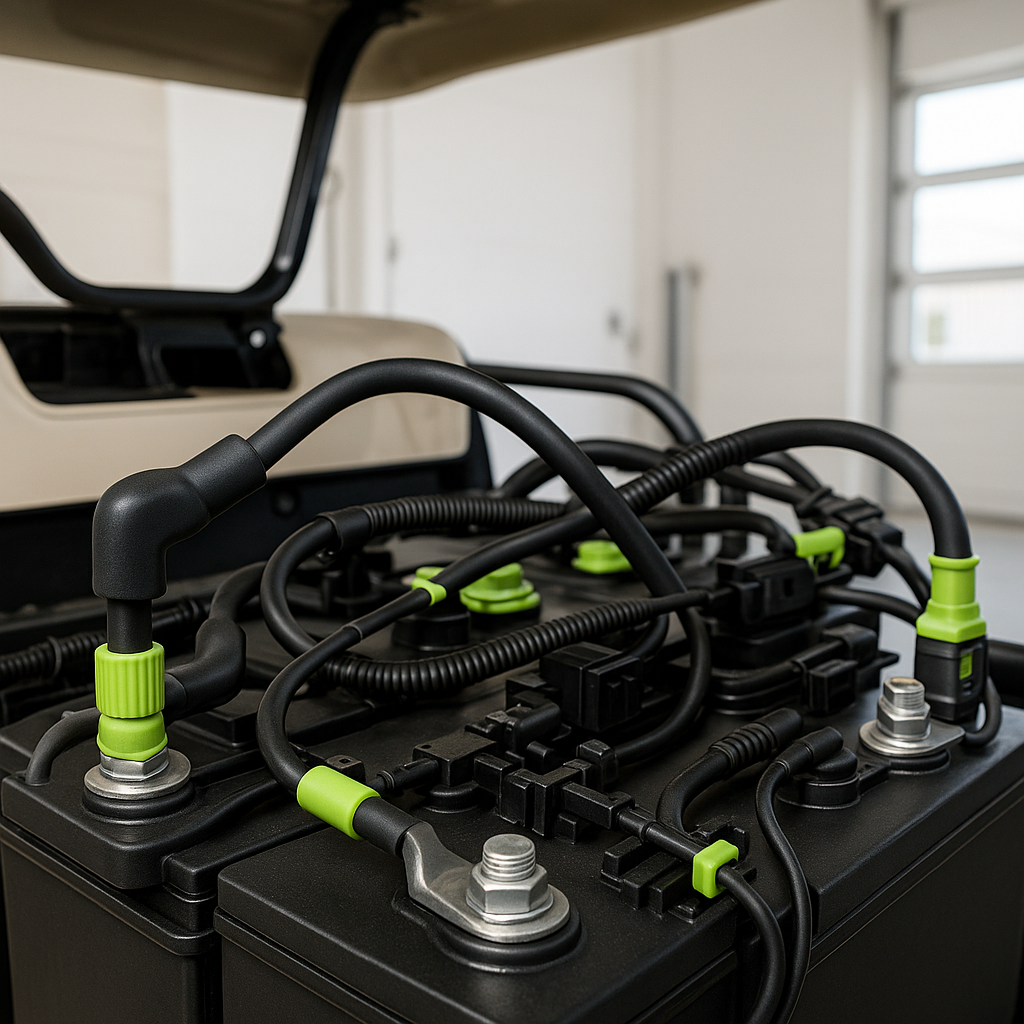
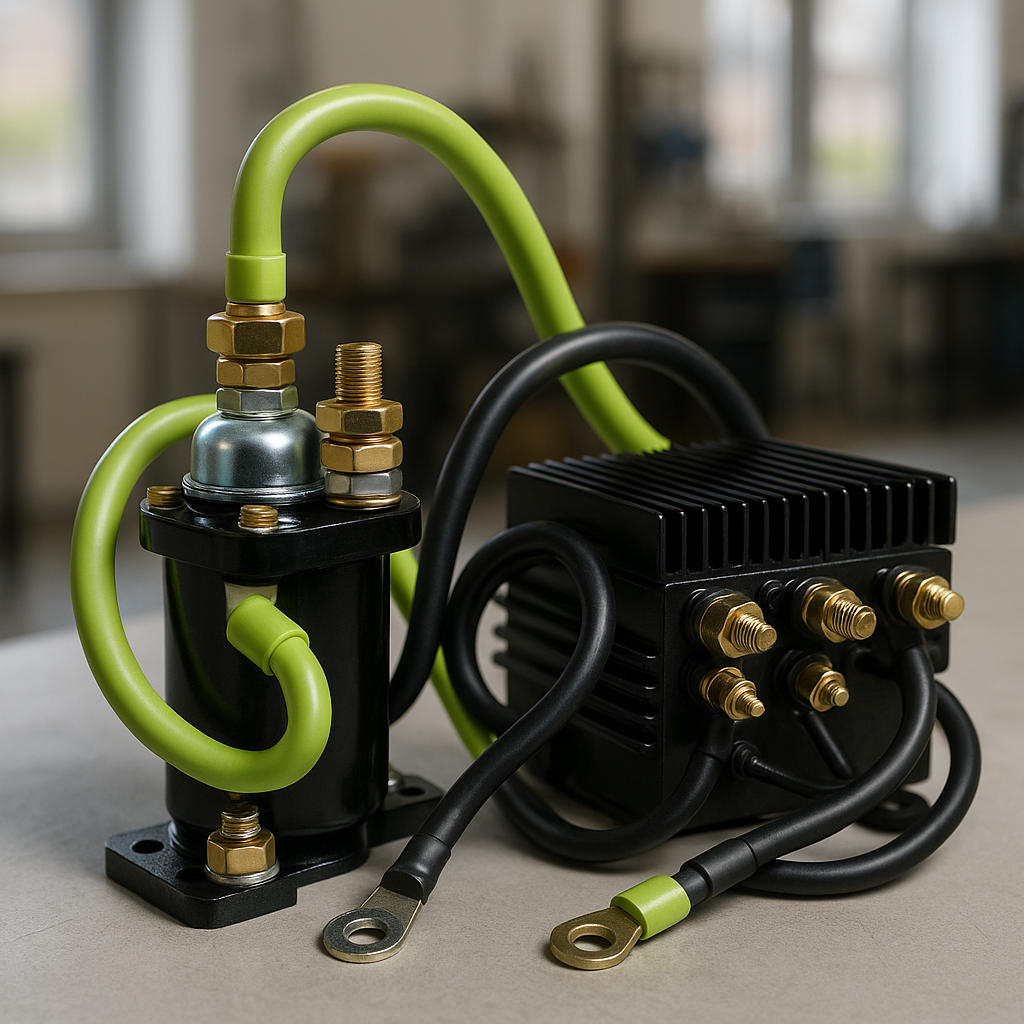
To diagnose solenoid issues, start by inspecting the connections. Loose or corroded terminals can prevent the solenoid from engaging properly. Ensure that all connections are clean and secure. If the solenoid appears intact but still isn’t functioning, you may need to test it for continuity using a multimeter. A lack of continuity indicates a faulty solenoid that needs replacement.
Assessing the Motor Controller
The motor controller is another critical component that can cause issues if it fails. Look for any visible signs of damage, such as burnt components or melted wiring. If the controller is equipped with diagnostic lights, check these indicators for error codes that can guide your troubleshooting process. If you suspect the controller is the issue, testing it with a multimeter can help determine if it’s operating within the expected parameters.
Forward/Reverse Switch and Key Switch Checks
Don’t overlook the forward/reverse switch and key switch when diagnosing electrical issues. A faulty switch can prevent the cart from receiving power. Test these switches for continuity as well, ensuring they are functioning correctly. If either switch is defective, replacing it may resolve the issue.
Final Steps and Considerations
After checking the solenoid, motor controller, and switches, if the cart still isn’t operating correctly, it may be time to consult a professional. Electrical issues can be complex, and sometimes the problem lies deeper within the system. Regular maintenance and inspections can help prevent these issues from arising in the first place, so make it a habit to check your cart’s electrical components periodically.