Golf carts are essential for a smooth ride on the course or around the neighborhood, but electrical issues can disrupt your enjoyment. Understanding how to troubleshoot these problems can save you time and money. Here’s a guide to help you identify and resolve common electrical issues in golf carts.
Identifying Electrical Problems
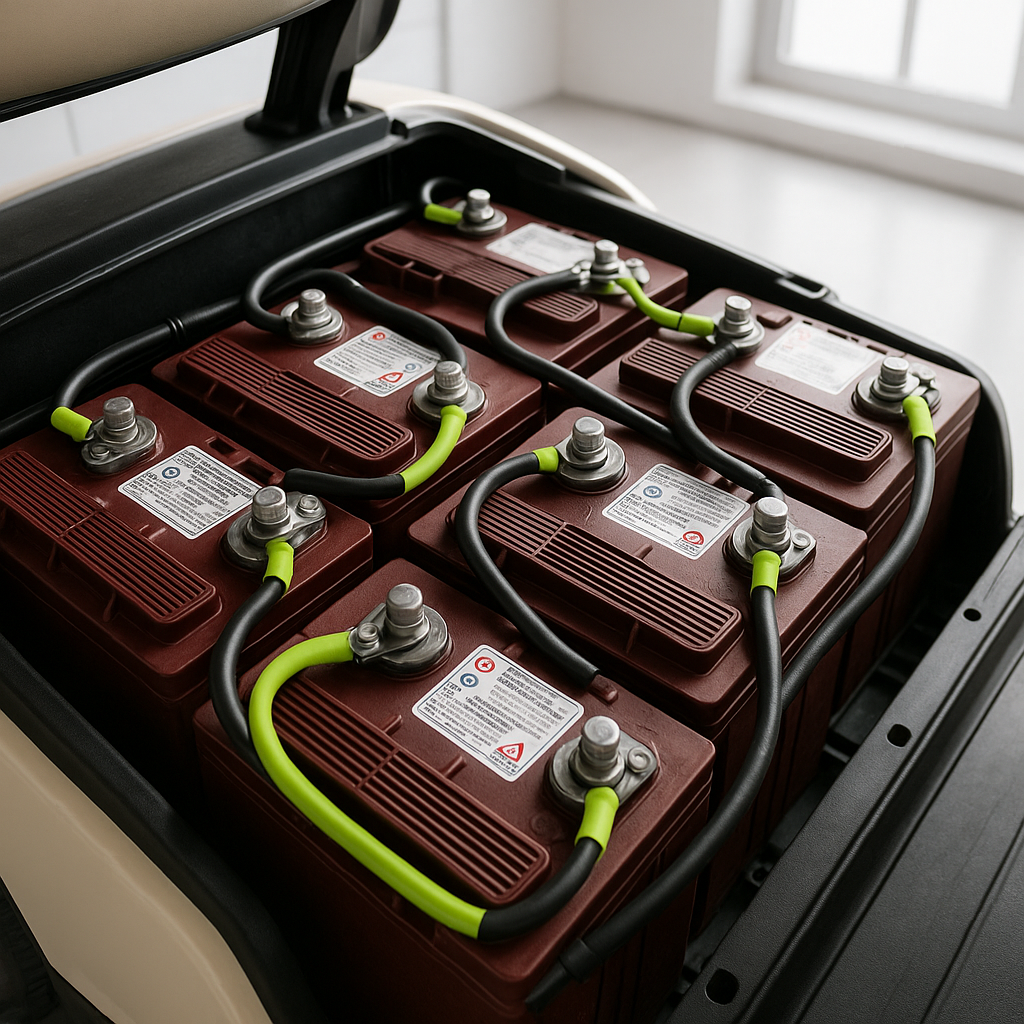
The first step in troubleshooting is to recognize the signs of electrical issues. Common symptoms include the cart not starting, dim lights, or intermittent power loss. Start by checking the battery connections for corrosion or loose terminals, as these are often the culprits behind electrical failures.
Checking the Battery
Once you've inspected the connections, it's time to assess the batteries. Ensure they are fully charged and in good condition. Look for any signs of swelling, leaking, or damage. If your golf cart uses multiple batteries, check each one individually to ensure they are all functioning properly.
Inspecting the Solenoid and Controller
If the batteries are in good shape, the next components to check are the solenoid and the motor controller. The solenoid acts as a switch to control power flow, while the controller manages the motor's speed and direction. Listen for a clicking sound when you turn the key; if there’s no sound, the solenoid may be faulty. Additionally, inspect the wiring for any signs of wear or damage.
Testing the Forward/Reverse Switch
The forward/reverse switch is another critical component that can cause electrical issues. If the cart only moves in one direction or not at all, the switch may be malfunctioning. Test the switch for continuity using a multimeter. If it fails the test, it will need to be replaced.
Assessing Wiring and Fuses
Finally, examine the wiring harness for any frayed or broken wires. Damaged wiring can lead to shorts or loss of power. Also, check the fuses; a blown fuse can interrupt the electrical flow. Replace any faulty fuses and ensure that the wiring is securely connected.
By following these troubleshooting steps, you can identify and resolve many common electrical issues in your golf cart. Regular maintenance and inspections can help prevent these problems, ensuring a reliable and enjoyable ride every time.