Maintaining your golf cart's battery is crucial for optimal performance and longevity. However, many owners encounter issues that can lead to diminished power or even complete failure. This guide will help you troubleshoot common battery maintenance problems and keep your golf cart running smoothly.
Signs of Battery Problems
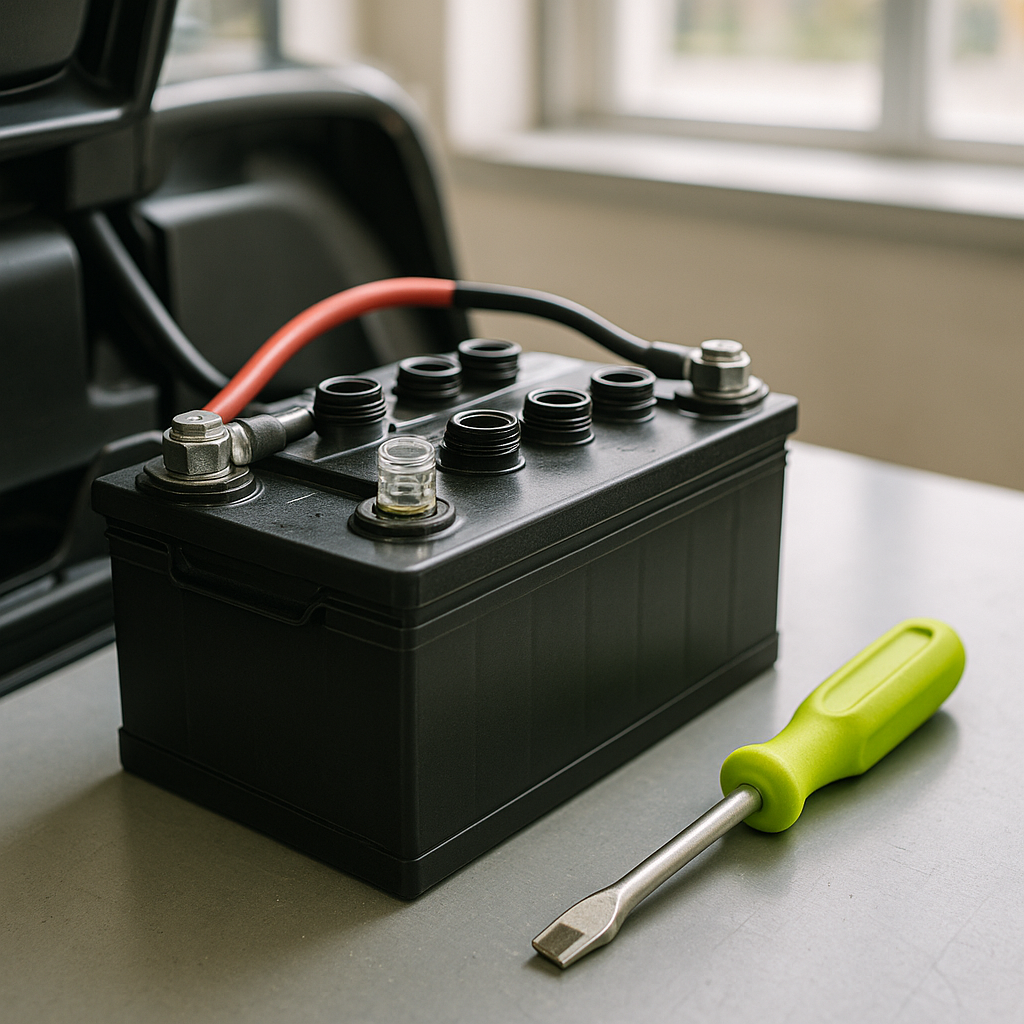
One of the first indicators of battery issues is a noticeable decrease in power or range. If your golf cart struggles to reach its usual speed or runs out of charge more quickly than before, it’s time to investigate. Additionally, physical signs such as corrosion around the terminals, bulging battery cases, or leaking fluid can signal serious problems.
Checking Battery Connections
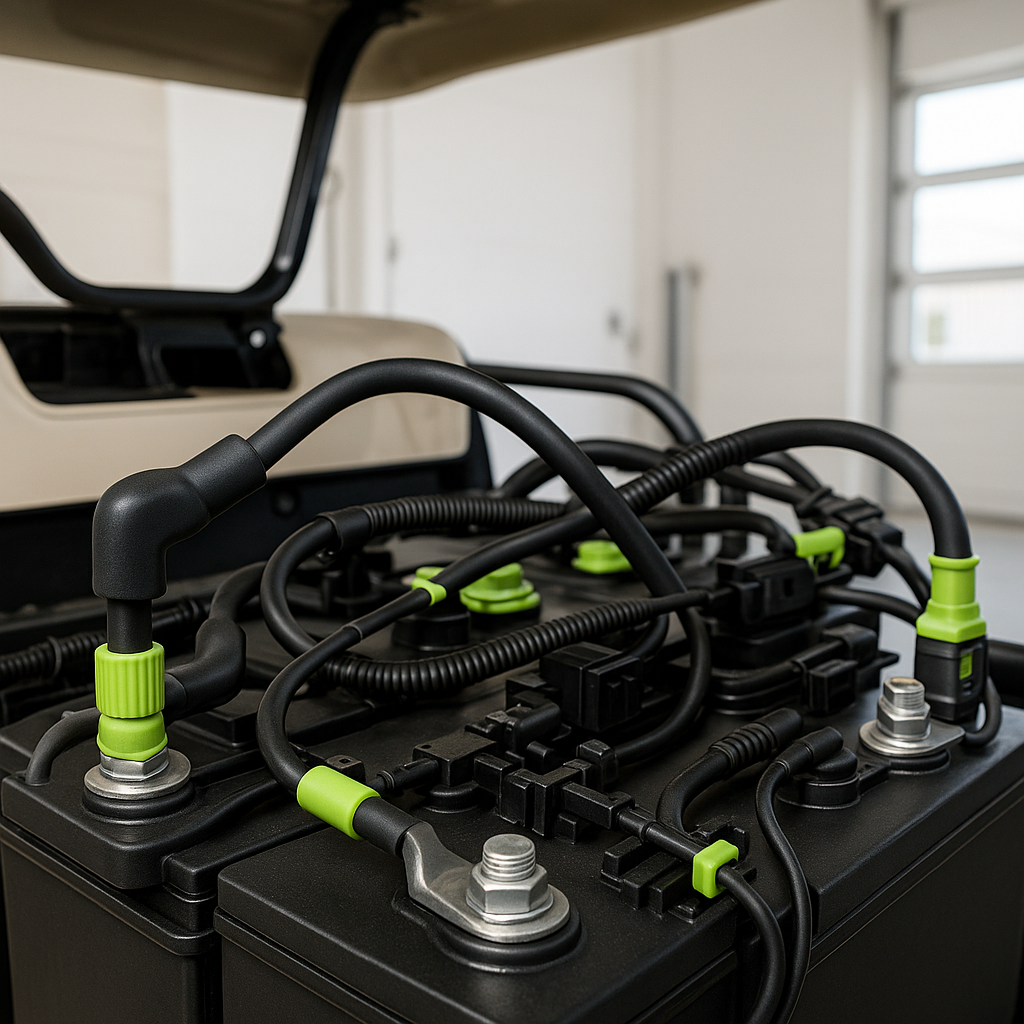
Loose or corroded connections can impede the flow of electricity from the battery to the cart’s electrical system. Start by inspecting the battery terminals for any signs of corrosion. If you see white, powdery residue, it’s essential to clean the terminals using a mixture of baking soda and water, followed by a thorough rinse and drying. Ensure that all connections are tight and secure, as loose connections can lead to poor performance.
Testing Battery Voltage
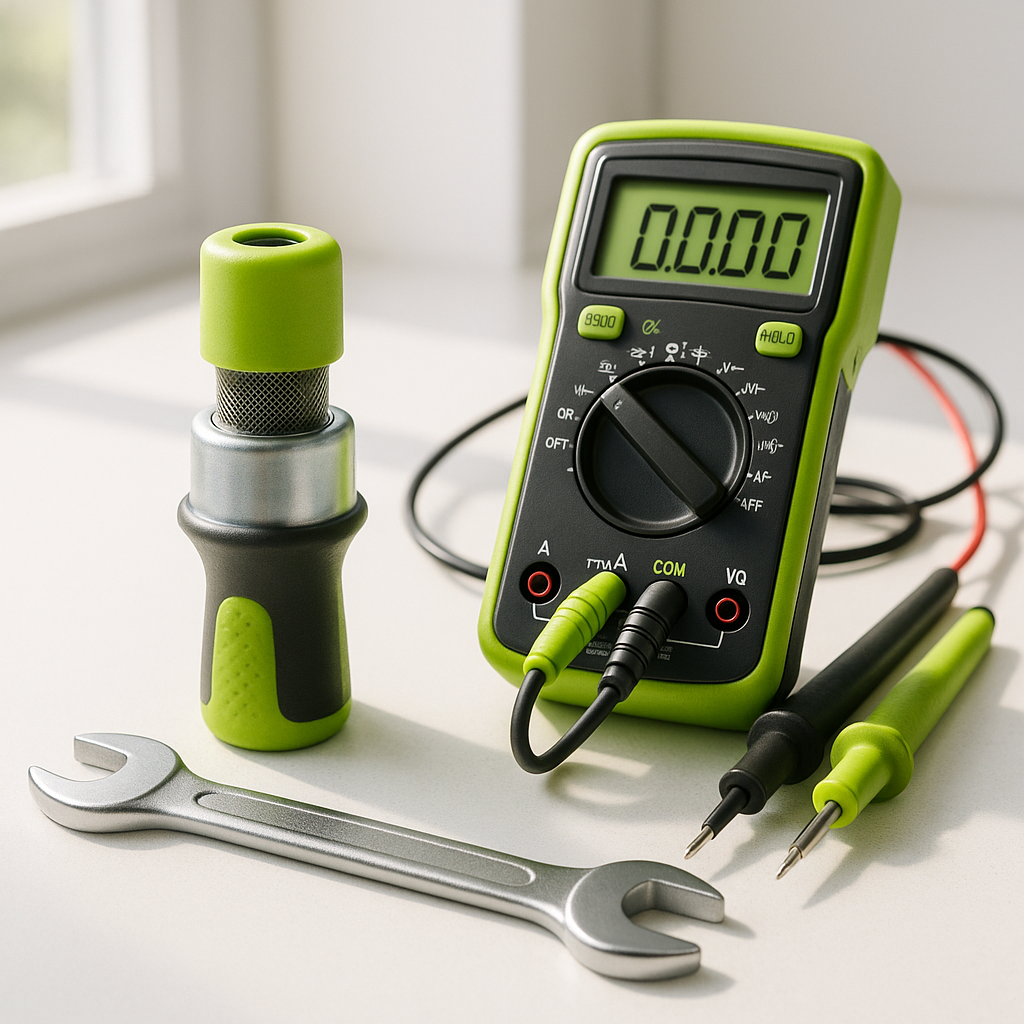
Using a multimeter to check the voltage of your battery can provide valuable insights into its health. A fully charged battery should typically read around 12.6 volts or higher. If the reading is significantly lower, it may indicate that the battery is undercharged or failing. Regularly testing your battery voltage can help you catch issues early and avoid being stranded.
Assessing Battery Age and Condition
Every battery has a finite lifespan, typically ranging from 3 to 7 years, depending on usage and maintenance. If your battery is approaching or exceeding this age, it may be time to consider replacement. Additionally, if you notice any swelling or physical damage, it’s crucial to replace the battery immediately to prevent further issues.
Charging Practices
Improper charging can lead to battery problems. Always use a charger that is compatible with your battery type and follow the manufacturer’s recommendations for charging cycles. Overcharging can cause damage, while undercharging can lead to sulfation, which diminishes battery capacity. Regularly monitor your charging habits to ensure optimal battery health.