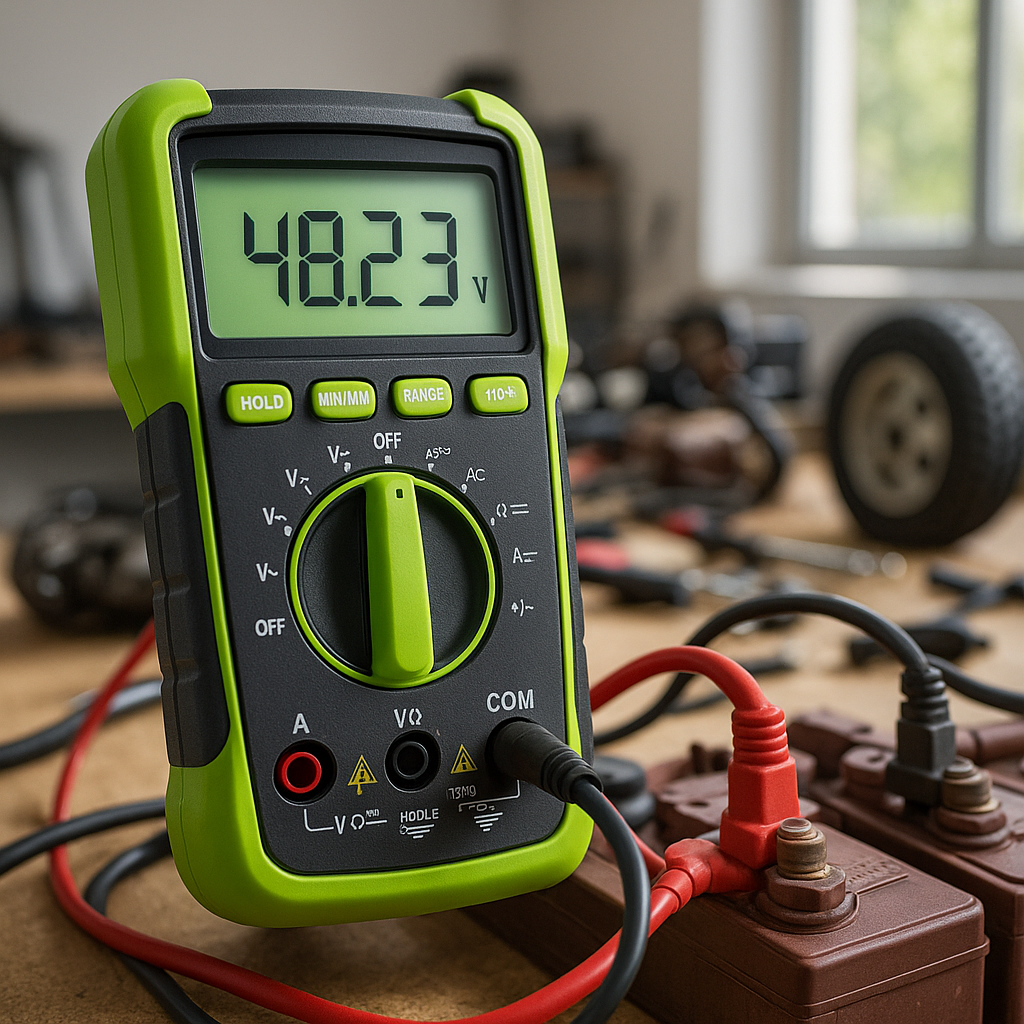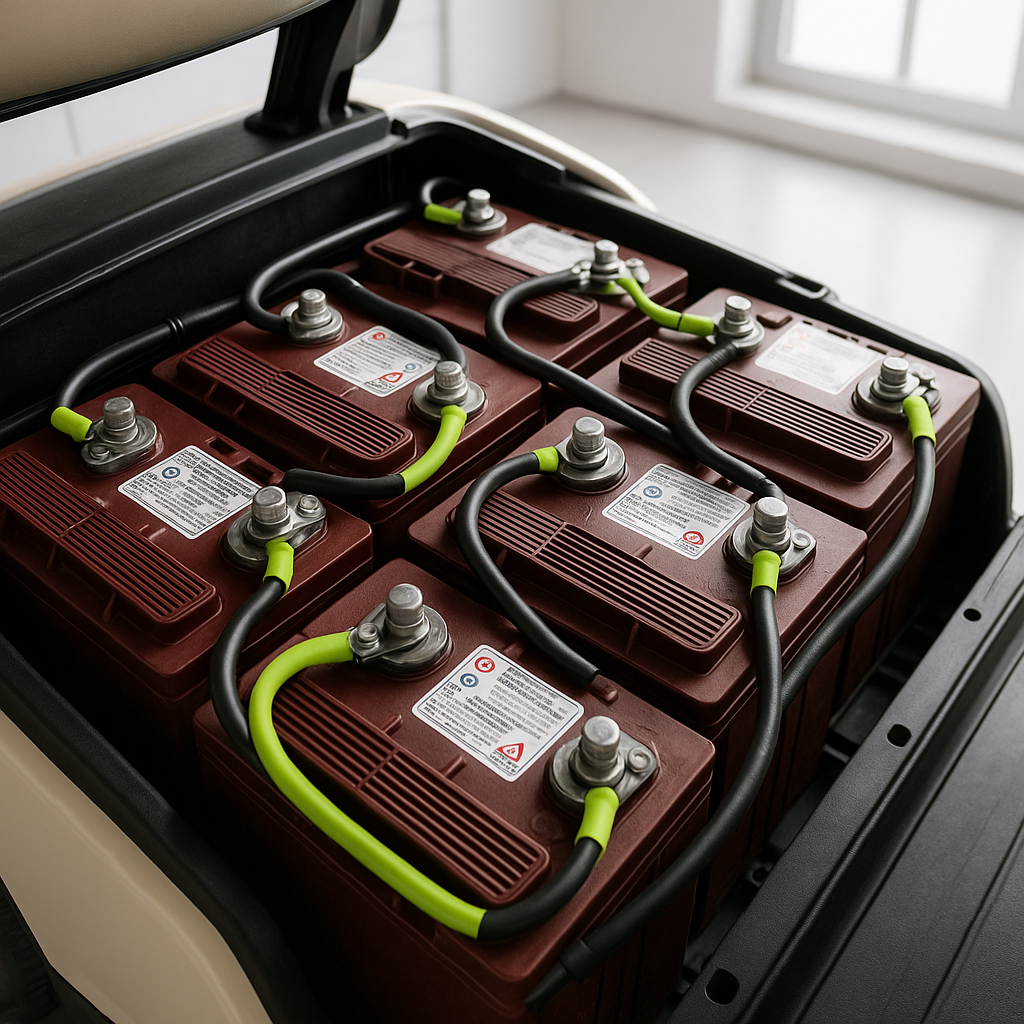
Battery terminal corrosion is one of the most common — and most overlooked — causes of sluggish performance, charging problems, and premature battery failure in electric golf carts. That white, blue, or greenish crust you see building up on your terminals isn't just cosmetic. It's resistance. It blocks current flow, makes your charger work harder, and quietly drains the life out of an otherwise healthy battery pack. The good news: cleaning and maintaining your terminals is a straightforward job you can do in your driveway with basic supplies.
Safety First — Do This Before You Touch Anything
Battery work on a golf cart means working around significant voltage and sulfuric acid fumes. Before you start, put on chemical-resistant gloves and safety glasses — not optional. Work in a well-ventilated area, away from open flames or sparks. Hydrogen gas can accumulate near lead-acid batteries during charging, so make sure the cart hasn't been on the charger for at least 30 minutes before you begin. Keep a box of baking soda nearby; it neutralizes battery acid on contact. Never lay tools across terminals or allow metal to bridge two terminals at once.
What You'll Need
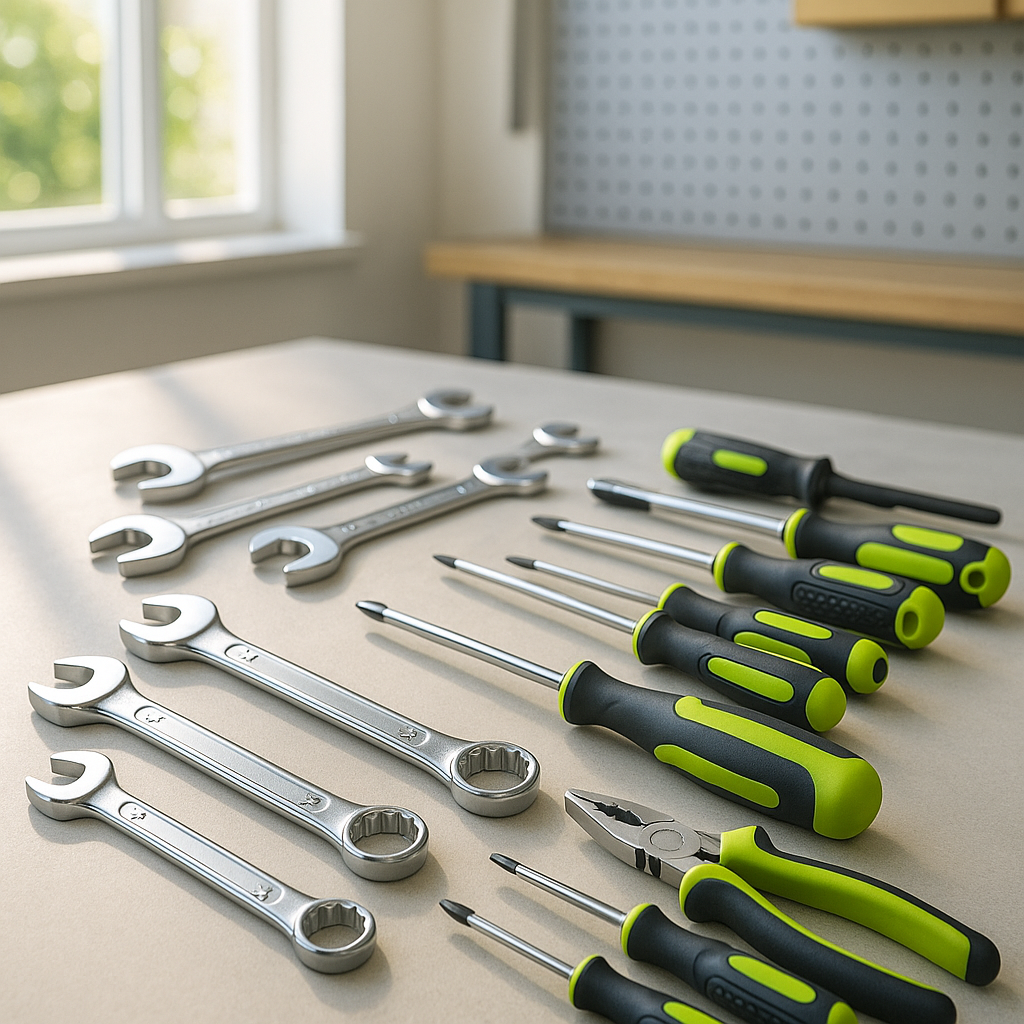
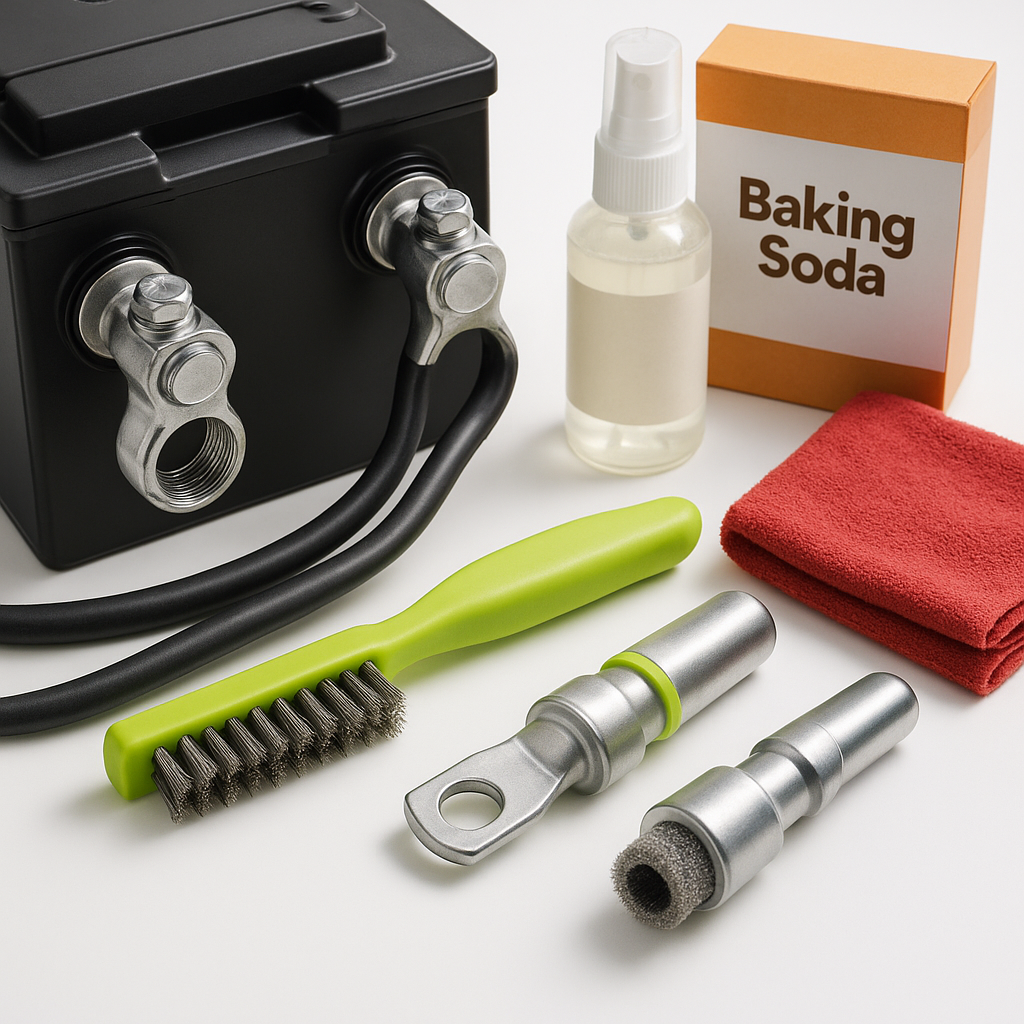
You don't need specialized tools. A wire battery terminal brush (the kind with inner and outer bristles that fit over the post) is the most useful item you can own for this job. You'll also want a wrench or socket set sized for your terminal bolts, a plastic scraper or old toothbrush for scrubbing, baking soda, water, and a clean rag. A corrosion-inhibiting spray or terminal protector grease — widely available at auto parts stores — rounds out the kit and does a lot to prevent the problem from coming back quickly.
Step-by-Step: Cleaning Your Battery Terminals
Start by disconnecting the battery pack. On most golf carts, this means pulling the main battery disconnect plug or cable, if one is present, before loosening individual connections. When disconnecting cables from terminals, always remove the negative cable first and reconnect it last — this reduces the risk of accidentally shorting the circuit. Once cables are off, inspect each terminal and cable end closely. Moderate corrosion — the crusty buildup — is normal and cleanable. Heavy corrosion that has eaten into the terminal post itself or severely damaged the cable lug is a sign those components need replacement, not just cleaning.
Mix a tablespoon or two of baking soda into a cup of warm water and pour or brush it directly onto corroded terminals. You'll see it fizz — that's the acid being neutralized. Let it sit for a minute, then scrub the terminal posts with your wire brush and work the cable lugs with the brush or an old toothbrush. Rinse with clean water and dry thoroughly with a rag. The metal should look noticeably brighter when you're done. If corrosion is stubborn, repeat the baking soda treatment rather than scrubbing harder and risking damage.
Protecting Terminals After Cleaning
Clean terminals won't stay clean on their own — especially in humid climates or carts that see heavy use. Once everything is dry, apply a thin coat of terminal protector spray or dielectric grease (some techs prefer old-fashioned petroleum jelly in a pinch) to each terminal and cable lug before reconnecting. This creates a barrier against moisture and slows corrosion significantly. Don't overdo it — a thin coat is all you need. Reconnect cables snugly, starting with the positive connections and finishing with the negative. Loose connections are nearly as bad as corroded ones; they generate heat and resistance under load.
How Often Should You Do This?
For most golf cart owners, a thorough terminal cleaning once or twice a year is sufficient — typically at the start of heavy-use season and again before any extended storage. If your cart lives in a coastal or very humid environment, quarterly checks make sense. Any time you notice performance dropping off, charging taking longer than usual, or visible buildup on terminals, don't wait for your scheduled maintenance — clean them then. A few minutes of preventive work consistently beats diagnosing an avoidable electrical problem down the road.