The gap between a 3-year and a 10-year golf cart battery life isn't random, and it isn't purely about which battery you bought. According to Golf Car Options, four factors drive the difference: usage habits, depth of discharge, temperature exposure, and the quality of a battery's management system. Understanding each one is the first step toward getting the most out of whatever battery is under your seat.
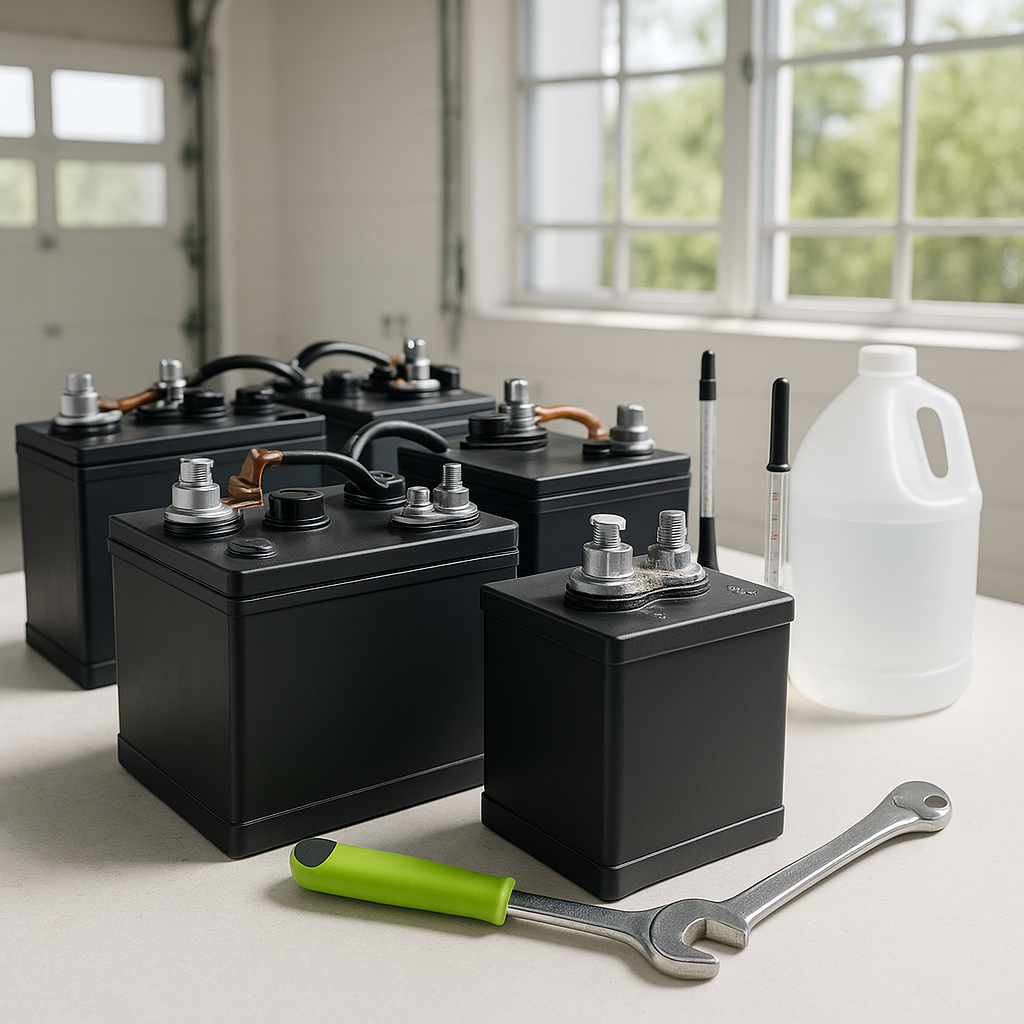
Chemistry matters as a baseline — traditional lead-acid batteries (flooded, AGM, and gel) typically top out at 2–4 years under daily casual use, while quality lithium LiFePO4 batteries can reach 8–10 years. But even the best lithium pack can be cut down to 3–4 years by poor habits. Long-term idle storage at low charge, waiting until a battery is completely dead before charging, and frequent hard acceleration all accelerate aging. Depth of discharge is especially critical: a lead-acid battery rated for 1,200 cycles at 50% discharge may deliver only 400–600 cycles when routinely drained to near zero.
Temperature is another underestimated factor. Sustained heat accelerates internal chemical reactions and cell aging — Golf Car Options notes that long-term high-temperature exposure can shorten lifespan by nearly 30%. Cold weather below 32°F temporarily cuts available capacity by 20–50% and, with repeated cycles, causes irreversible damage to cell structure. The recommended operating and storage range is 32°F–113°F (0°C–45°C).
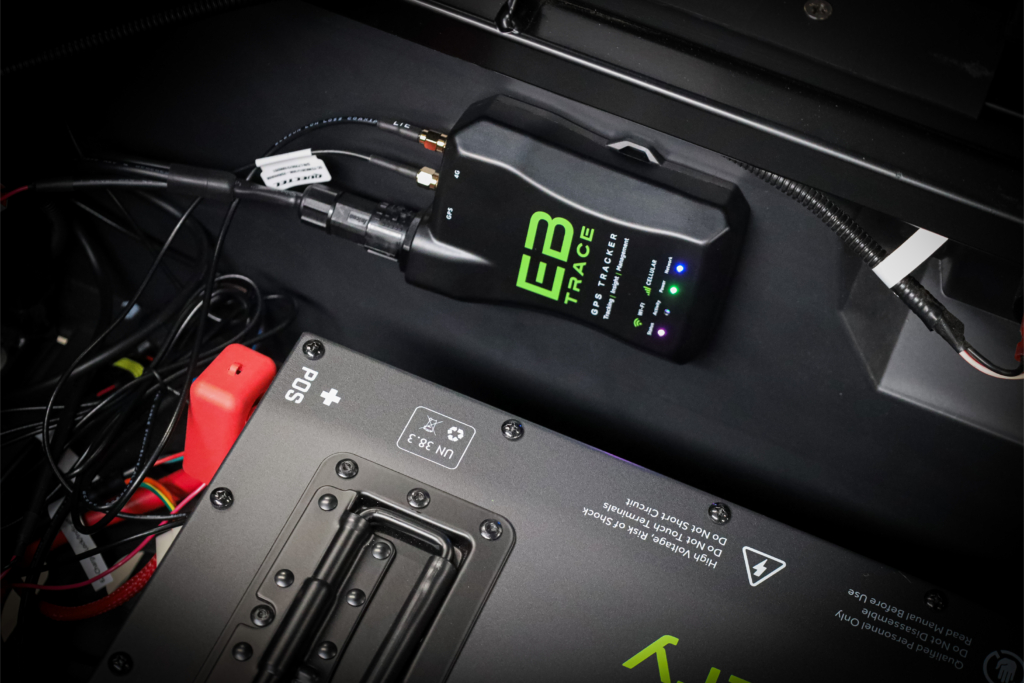
A capable Battery Management System (BMS) is what ties everything together. Without one, minor differences between individual cells compound over time, causing imbalance, partial overcharge, and premature pack failure even when most cells are still functional. A proper BMS actively balances cell voltage, monitors real-time temperature and current, and triggers automatic cutoffs for overcharge, over-discharge, short circuits, and thermal extremes — eliminating most of the conditions that kill batteries early. The source highlights the Vatrer 48V 105Ah lithium golf cart battery as an example of a pack built around this kind of intelligent BMS protection.
Practical takeaways: recharge before dropping below 40–50% remaining capacity, avoid leaving a cart in direct sunlight or unheated storage for extended periods, and prioritize smooth, steady operation over hard starts and heavy loads. This guide was originally published by Golf Car Options.