Golf cart fleet operators often face high insurance premiums due to a lack of data transparency with underwriters. Traditionally, insurers have relied on historical data that does not reflect the current usage of golf carts, which has shifted significantly toward safer, roadworthy applications.
Modern low-speed vehicles are equipped with safety features and are increasingly used in various settings beyond golf courses. This evolution necessitates a change in how insurance is underwritten, focusing on data-driven insights rather than outdated assumptions about risk.
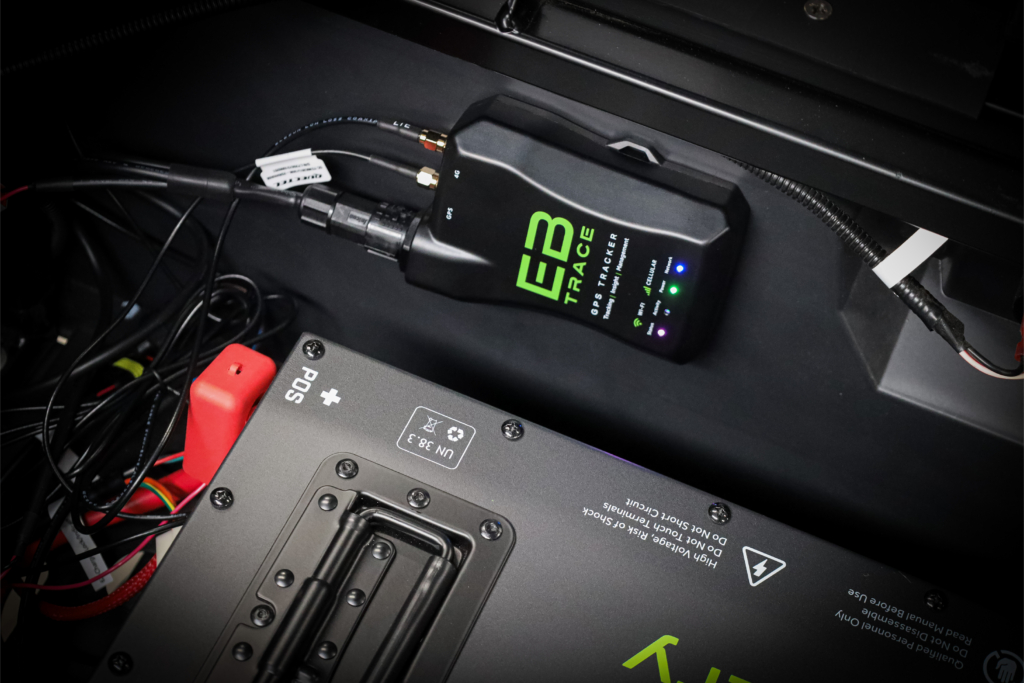
Key factors influencing premiums include the ability to provide detailed information about who is driving, where the vehicles are operated, and what incidents occur. Connected fleet technology can answer these questions by offering real-time data on driver verification, geofencing, and trip history, thereby making it easier for underwriters to assess risk accurately.
As the golf cart and LSV market continues to grow, utilizing data effectively can lead to more competitive insurance pricing and better coverage options for fleet operators. This shift is essential for adapting to the evolving landscape of golf cart usage and insurance needs, as highlighted by Golf Carting Magazine.