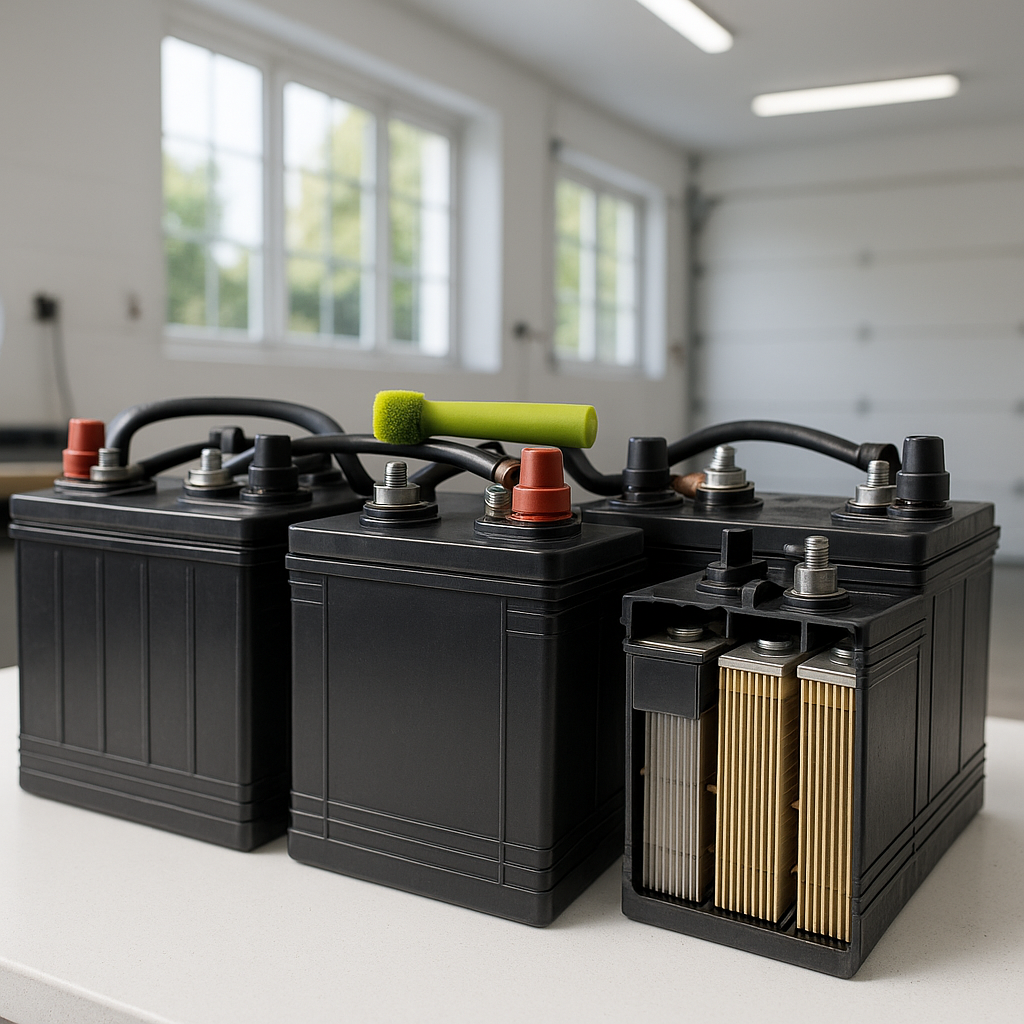
The gap between a golf cart battery that quits in three years and one that's still running after a decade isn't random luck or brand prestige — it comes down to four root causes: usage habits, depth of discharge, temperature exposure, and the quality of the battery management system (BMS). Traditional lead-acid batteries (flooded, AGM, and gel) typically deliver two to four years of service under daily casual use, while quality lithium LiFePO4 packs can reach eight to ten years when those four factors are managed correctly.
Depth of discharge (DoD) is singled out as the single biggest technical driver of lifespan. A lead-acid battery rated for roughly 1,200 cycles at 50% discharge may only survive 400–600 cycles when routinely drained to near zero. The same principle applies to lithium chemistry — deep cycling increases internal resistance and accelerates capacity loss. Shallow cycling, meaning recharging when 40–60% capacity remains, can double or triple usable life compared to deep-discharge habits. Compounding the problem: most ordinary batteries offer no active protection against accidental over-discharge, so users shorten pack life without realizing it.
Temperature is another silent killer. Sustained heat accelerates internal chemical reactions and can cut battery lifespan by close to 30%, while repeated charging and discharging in temperatures below 32°F causes irreversible chemical precipitation and cell structure damage. The source identifies 32°F–113°F (0°C–45°C) as the optimal operating and storage range. On the usage-habits side, long idle periods at low state of charge, irregular charging routines that skip full cycles, and frequent high-current draws from overloading or rapid acceleration all accelerate aging well before a battery reaches its rated cycle count.
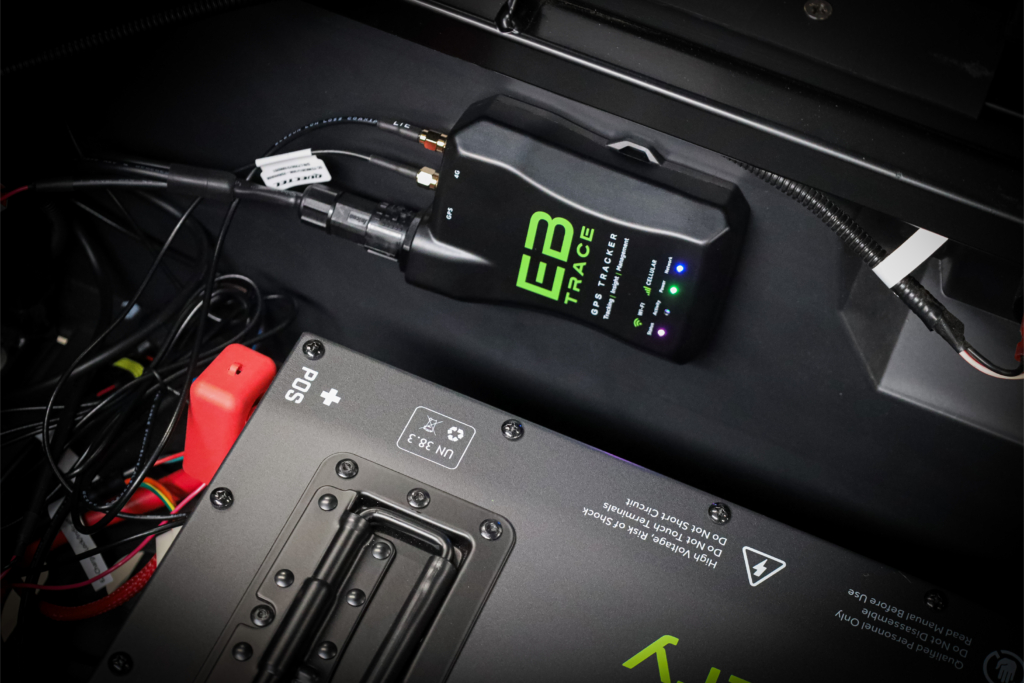
A capable BMS, the source argues, is non-negotiable for reaching a ten-year service life. Without one, small manufacturing differences between individual cells inside a pack compound over time into dangerous imbalances — causing partial overcharge, over-discharge, and uneven aging that can kill a pack even when most cells are still healthy. The Vatrer 48V 105Ah lithium golf cart battery is cited as an example of a pack with a smart BMS that actively balances cell voltage, monitors real-time voltage, current, and temperature, and triggers automatic cutoff for overcharge, over-discharge, over-current, short circuit, and extreme temperature conditions.
This analysis originally appeared on Golf Car Options.