Installing a mirror on your golf cart is only half the job. A mirror that's mounted but poorly aimed is almost as useless as no mirror at all — you end up with a view of the sky, your own shoulder, or a blurry blur of pavement. Getting your mirrors properly adjusted takes less than five minutes and makes a genuine difference in how safely and confidently you can operate the cart, especially on paths, in parking areas, or anywhere you're sharing space with pedestrians and other vehicles.
Start with Your Normal Driving Position
Before you touch the mirror, sit down in the driver's seat exactly as you would while driving — back against the seat, hands where they'd naturally rest. This is the reference point everything else is calibrated to. Adjusting mirrors while standing beside the cart is the most common mistake people make, and it's why the mirror never seems right once you're actually moving. Have everything the way it will be in real use: if you drive with a passenger, have them seated too, since added weight can shift your sightline slightly.
Side Mirror Adjustment
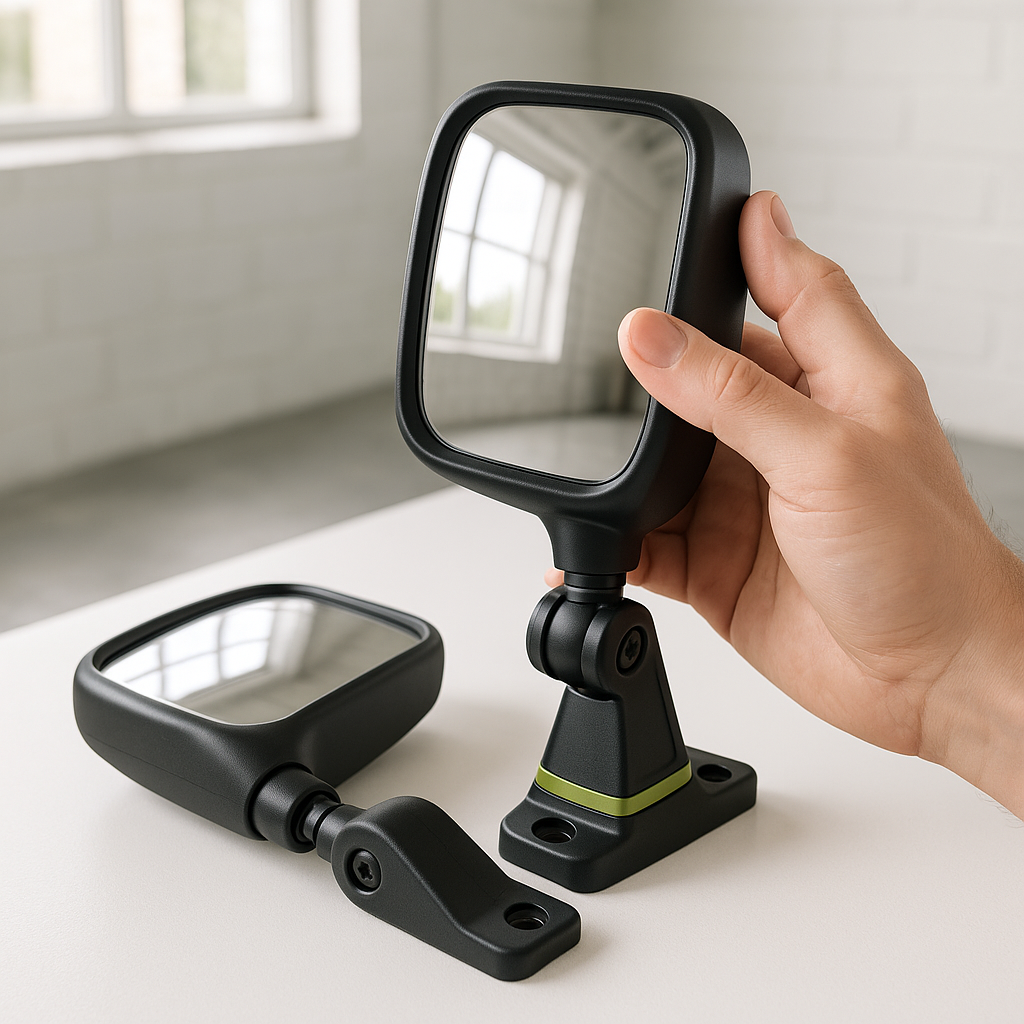
For a side mirror mounted on the driver's side, you want to see just a sliver of the cart's own body along the inner edge of the mirror — roughly 10 to 15 percent of the mirror's view. This gives you a reference point so your brain can instantly judge distances. The vertical aim should place the horizon line near the middle of the mirror, maybe slightly below center. Too high and you lose ground-level visibility; too low and you're watching pavement instead of approaching traffic or obstacles. If your mirror has a pivot-style clamp, loosen the clamp bolt just enough to allow movement, reposition by hand, and retighten snugly without overtorquing — stripped clamp hardware is a common and avoidable problem.
Rearview Mirror Adjustment
A center-mounted rearview mirror should frame the widest possible view of the area directly behind the cart. Tilt it so the full rear opening or cargo area edge is just barely visible at the bottom of the mirror — this anchors your perspective. Left-to-right, center it on what's directly behind you, not angled to one side. If your cart has a roof or windshield frame that obstructs the view, you may need to experiment with the mounting position itself rather than just the mirror angle. Some rearview mirrors allow both tilt and swivel; use both axes together rather than maxing out one and ignoring the other.
Dealing with Vibration and Drift
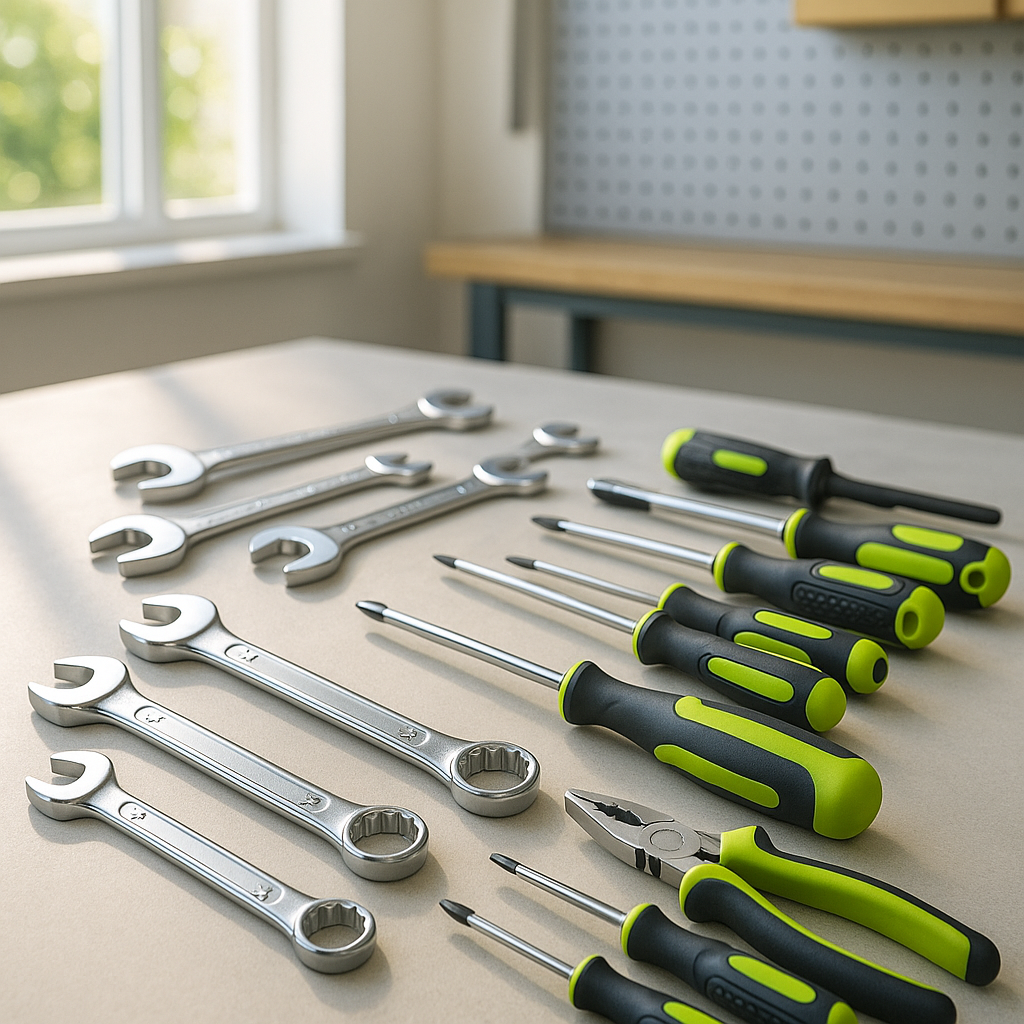
Golf carts travel over rough terrain — cart paths have seams, grass is uneven, and gravel paths create constant vibration. A mirror that's perfectly aimed in the driveway can vibrate loose and drift over time. After your initial adjustment, take a short test drive over typical terrain, then check the mirror position again. If it has shifted, the clamp or ball-joint fitting needs to be tightened more firmly. Use a wrench rather than hand-tightening alone. If the mirror continues to drift even when the hardware feels tight, the mounting point itself may be worn or the mirror's internal friction joint may be fatigued — at that point, replacement hardware or a new mirror mount is a better fix than fighting it repeatedly.
Checking Your Blind Spots
Even well-adjusted mirrors leave blind spots — this is true on golf carts just as on full-size vehicles. Once your mirrors are set, do a quick blind-spot audit: sit in the driver's seat and have someone walk slowly around the cart at a distance of about six feet. Note where they disappear from mirror view on each side. Those zones are your blind spots, and knowing exactly where they are is genuinely valuable. On carts used in higher-traffic situations — campgrounds, resorts, neighborhoods — a small convex blind-spot mirror added to the outer edge of a side mirror can expand your field of view significantly for very little cost or complexity.
Recheck After Any Mounting Changes
Any time you adjust the mirror's mounting position — loosening the roof rail clamp, repositioning on the windshield frame, or switching mounting hardware — treat it as a fresh installation and go back to step one. Even small changes in mounting height or angle require a full re-aim from the seated driving position. It's a two-minute process and worth doing every time rather than assuming it's close enough. Properly adjusted mirrors aren't a set-it-and-forget-it item; make a quick check part of your routine maintenance habit, especially heading into a new season.