Most golf cart owners bolt on a mirror, give it a quick twist, and call it done. That works fine until you're backing out of a tight garage or merging onto a busy cart path and realize you've been looking at the roof of your own cart the whole time. Getting your mirrors properly adjusted takes less than ten minutes, but it requires a methodical approach — and knowing what a correct sight line actually looks like before you start turning knobs.
Understand What Each Mirror Should Show You
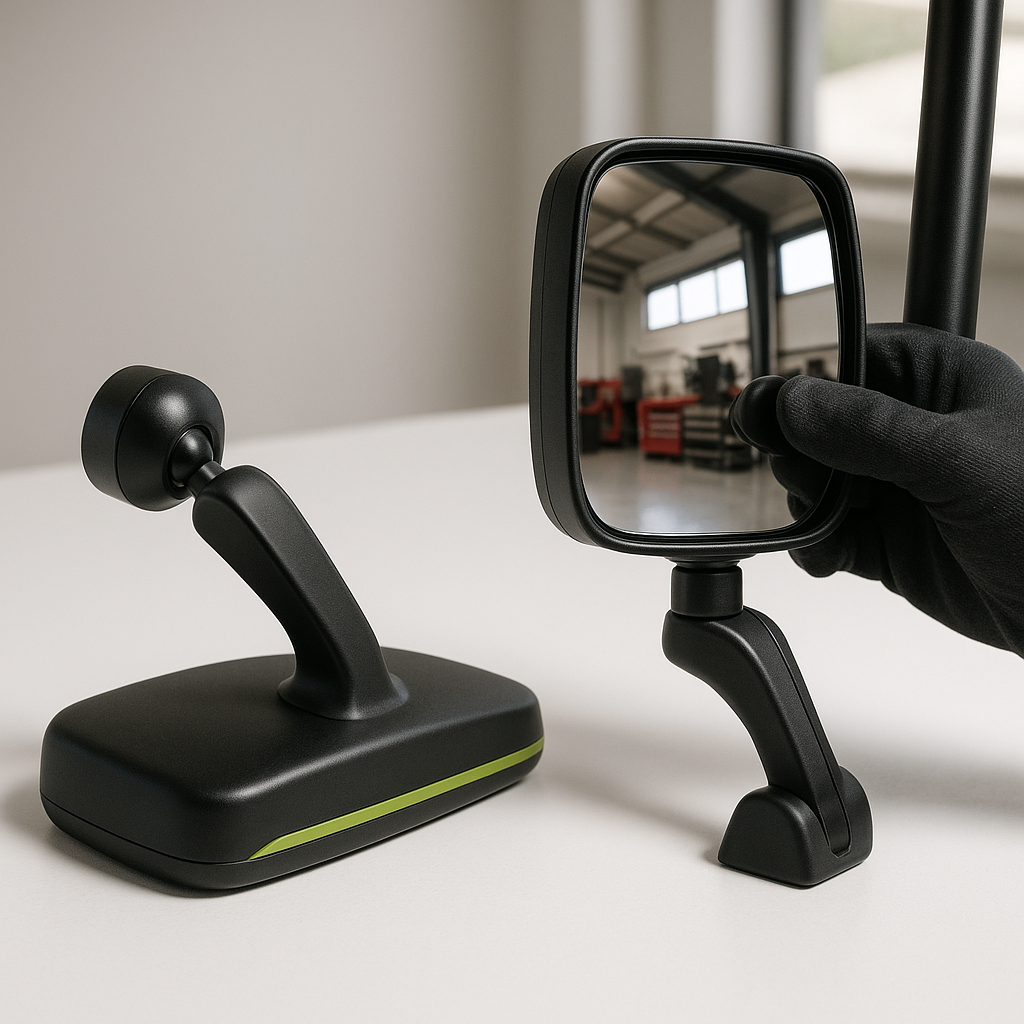
Before touching anything, sit in your normal driving position. Don't lean forward, don't crane your neck — just sit the way you actually drive. A properly adjusted rearview mirror should show you a full, unobstructed view of the path directly behind the cart, centered so you're not losing half the frame to sky or ground. Side mirrors, when present, should be angled so that you can see the rear corners of the cart at the very inside edge of the mirror's reflection, with the majority of the mirror showing the area beside and behind you. This gives you a reference point while maximizing how much of your surroundings you can actually see.
Check and Tighten Your Mounting Hardware First
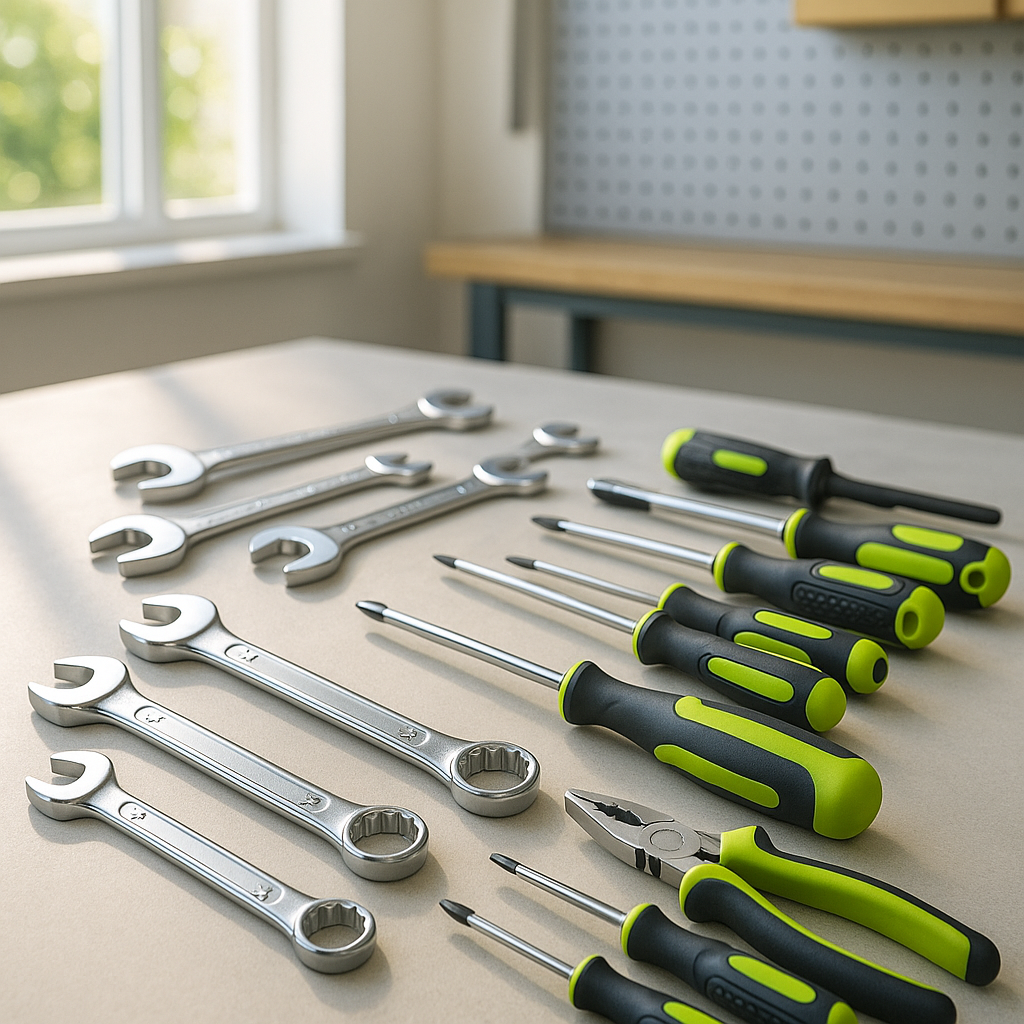
A mirror you can adjust is only useful if it stays where you put it. Before making any angle adjustments, check that the mounting bracket — whether it clamps to a windshield frame, a roof strut, or a roll bar — is fully secure. Loose clamps are the most common reason mirrors drift out of position over time, especially on carts that see rough terrain. Snug every fastener by hand first, then confirm with a wrench or screwdriver as appropriate. Don't overtighten clamps on thin aluminum tubing, which can deform and weaken over time. Firm and stable is the goal, not max torque.
Adjust the Mirror Angle in Two Axes
Most golf cart mirrors pivot on a ball-and-socket or a hinged bracket that allows adjustment both up-and-down and left-and-right. Loosen the adjustment point just enough that the mirror moves with deliberate resistance — if it flops freely, you've gone too far and it won't hold position. Start with the vertical angle: tilt the mirror until the horizon line in the reflection sits roughly in the middle of the glass. Then adjust the horizontal angle so the view is centered on the space directly behind or beside you rather than swept off to one side. Make small movements, then sit back in your normal driving position to evaluate — what looks right when you're leaning in close rarely looks right from the driver's seat.
Account for Passenger Weight and Load
Golf carts — especially rear-seat models — can sit noticeably lower in the back when loaded with passengers or cargo. If you typically drive with a full cart, have someone sit in their usual spot while you finalize your mirror angles. A mirror perfectly adjusted for a solo driver may point too high once two or three people are aboard and the rear suspension compresses. This is especially relevant for rearview mirrors mounted high on a windshield frame, where even a small change in cart pitch can shift your sight line meaningfully.
Test Your Adjustments Before You Drive
Once you're satisfied with the angles, retighten all adjustment hardware so the mirrors hold firmly under vibration. Then do a real-world check: have someone walk slowly behind and alongside the cart while you watch the mirrors from the driver's seat. Confirm you can pick them up before they reach the rear corners of the cart, and that you don't have to move your head significantly to use either mirror. If you spot a gap in coverage — an area where a person or obstacle disappears from view — fine-tune the angle to close it. No mirror setup eliminates all blind spots, but a properly adjusted pair gets you as close as possible.
Revisit Your Adjustment Seasonally
Mirrors shift over time. Vibration from rough paths, temperature swings that expand and contract plastic and rubber components, and the occasional bump all work together to nudge mirrors out of position gradually — often so slowly you don't notice until your coverage is meaningfully worse than when you started. Get in the habit of checking your mirror angles at the start of each season or any time you've had a hard impact. It takes two minutes and costs nothing, and it's one of the simplest safety checks you can perform on the cart.