Changing a golf cart tire or swapping out a full wheel-and-tire combo is one of the most satisfying DIY jobs you can tackle — no specialized shop equipment required, and the payoff is immediate. Whether you're upgrading to a larger all-terrain tire, replacing a flat, or fitting new wheels for a fresh look, the process follows the same core steps. Get it right and you'll have a solid, safe result. Rush it or skip steps and you risk a wheel coming loose on the course or trail. Here's how to do it properly.
Gather Your Tools and Prep the Cart
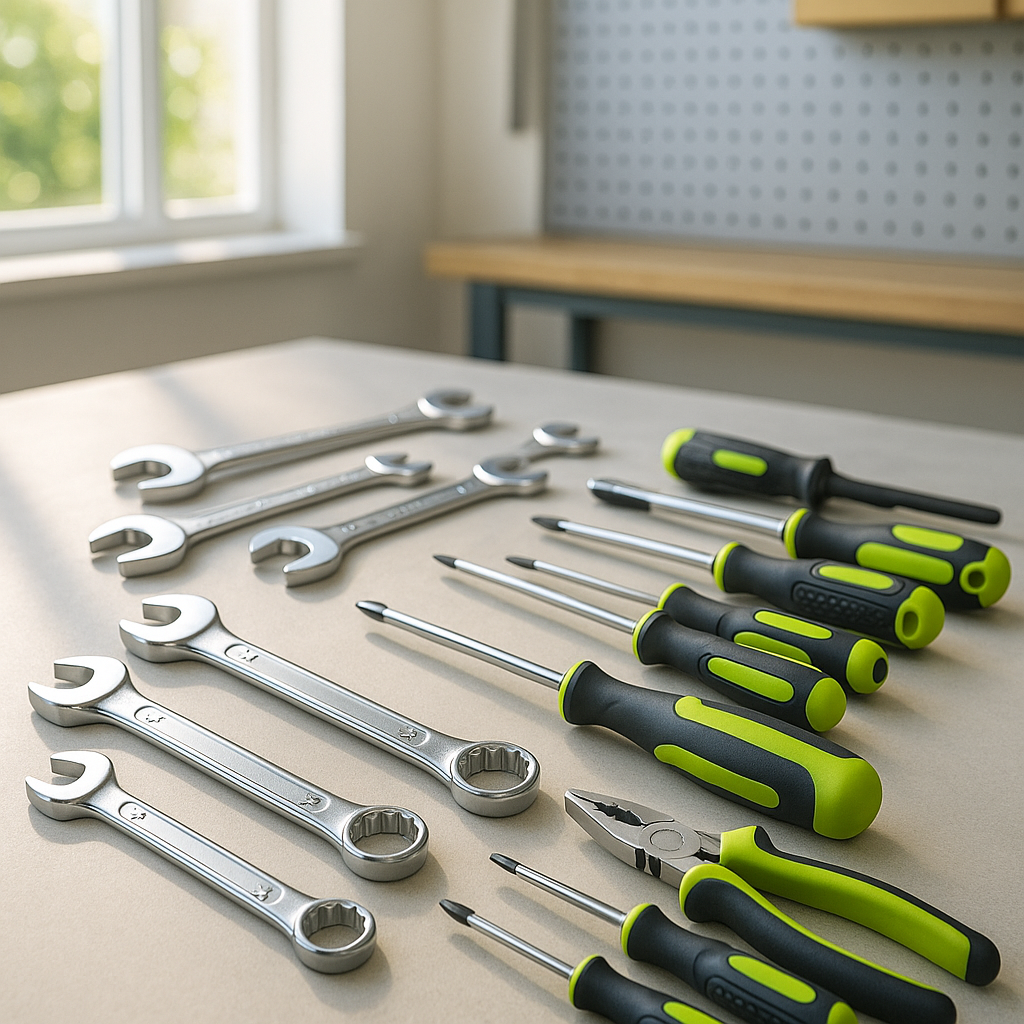
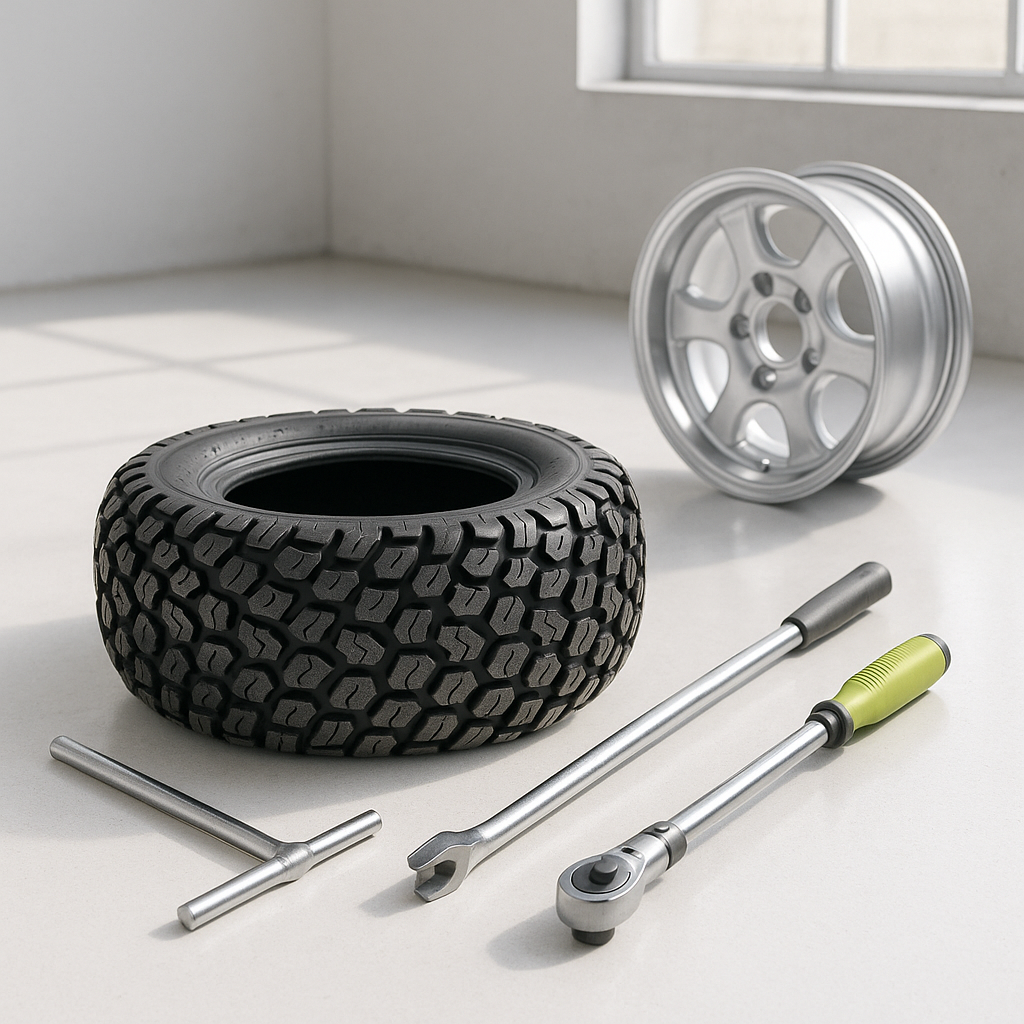
Before you touch a lug nut, park the cart on a flat, hard surface — concrete is ideal. Engage the parking brake and, if it's an electric cart, switch the key off and set the run/tow switch to tow mode. For a gas cart, simply shut it off. You'll need a floor jack or a quality bottle jack rated for the cart's weight, jack stands, a lug wrench or impact driver with the correct socket size for your lug nuts, and a torque wrench for reinstallation. Have a rubber mallet nearby as well — it's useful for breaking a stubborn tire loose from a rim without damaging anything.
Jack Up the Cart Safely
Identify a solid frame point near the wheel you're working on. Golf cart frames are lighter than car frames, so avoid jacking under plastic body panels, the axle tube alone, or any point that flexes under load. Raise the cart until the tire clears the ground by a couple of inches, then immediately place a jack stand under a solid frame section before you do any work. Never rely solely on the jack. If you're swapping all four wheels, work one corner at a time — it keeps the cart stable and you in control.
Remove the Old Wheel
Before breaking the lug nuts loose, it helps to have the tire still on the ground with light weight on it — this prevents the wheel from spinning freely. Break each lug nut loose by turning counterclockwise, then finish raising the cart to clear the ground and remove the nuts the rest of the way. Keep the nuts somewhere they won't roll away. Pull the wheel straight toward you. If it's stuck from rust or corrosion on the hub face, a few firm strikes around the backside of the wheel with a rubber mallet will free it without damaging the hub or rotor face.
Inspect the Hub Before Installing the New Wheel
With the wheel off, take 60 seconds to look at the hub. Check the lug studs for any signs of cross-threading, corrosion buildup, or damage. Wipe the hub face clean with a rag — a clean, flat mating surface is important for proper wheel seating. If any studs are visibly damaged or stripped, replace them before reinstalling a wheel. A single bad stud puts uneven stress on the remaining ones and can lead to a loose wheel or a broken stud down the road.
Mount the New Wheel and Tire
Line up the lug holes on the new wheel with the studs on the hub. Lift the wheel onto the studs and hand-tighten each lug nut in a star or cross pattern — never go around in a circle, as that can cause the wheel to seat unevenly. Once all nuts are snug by hand, use your wrench to tighten them further while the tire is still in the air, keeping the star pattern. Lower the cart so the tire makes full contact with the ground and bears some of the cart's weight, then torque the lug nuts to the manufacturer's specification in the same star pattern. If you don't have the spec handy, consult your cart's service manual — proper torque is not optional, and under-tightening is a common cause of wheels loosening over time.
Check Fitment and Tire Pressure
Once the wheel is torqued down, do a visual check: the wheel should sit flush against the hub with no visible gap or wobble. Spin it by hand if possible and watch for any wobble that might indicate an improper seat. Check the tire pressure with a gauge and inflate to the pressure marked on the tire sidewall or your cart's specification — whichever is lower. Correct pressure affects ride quality, handling, and tire wear significantly. Golf cart tires typically run at lower pressures than car tires, so don't over-inflate.
Do a Short Test Run and Recheck
After completing all four corners — or even just one — take the cart on a slow, short test run on flat ground. Listen for any unusual sounds and feel for any vibration or pull. After a few hundred feet, stop and physically check each lug nut by hand. It's common for a newly seated wheel to settle slightly, and a quick recheck ensures nothing has backed off. Mark the date on your calendar and plan to recheck torque again after the first few rides, especially if the cart sees rough terrain. That habit alone prevents the vast majority of wheel-related problems.