A failed solenoid is one of the most common reasons a golf cart won't move, but it's also one of the most misdiagnosed. Because a bad solenoid shares symptoms with a dead battery pack, a faulty controller, and a burned-out motor, plenty of carts end up with a brand-new solenoid that didn't fix anything. This guide walks you through a logical diagnostic process so you know what you're actually dealing with before spending money on parts.
Understand What the Solenoid Actually Does
The solenoid is an electromagnetically controlled switch. When you press the accelerator (or turn the key on some systems), low-voltage signal current energizes a coil inside the solenoid, which pulls a set of heavy copper contacts together to complete the high-voltage circuit between your batteries and motor controller. You'll typically hear a distinct click when this happens. If the coil side fails, the contacts never close. If the contacts themselves burn or pit badly enough, they won't pass adequate current even when they do close. Knowing which half of the solenoid is failing changes how you diagnose it.
Start With Battery Voltage — Every Time
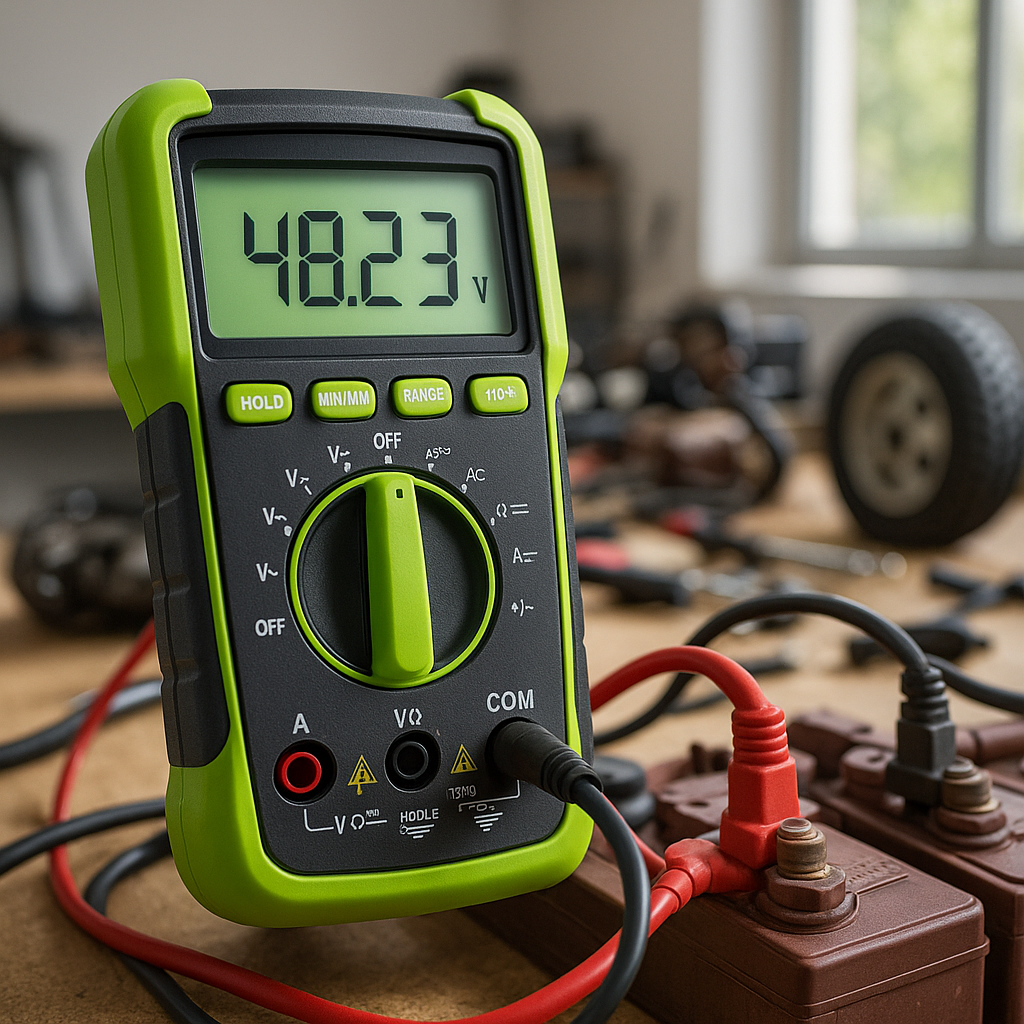
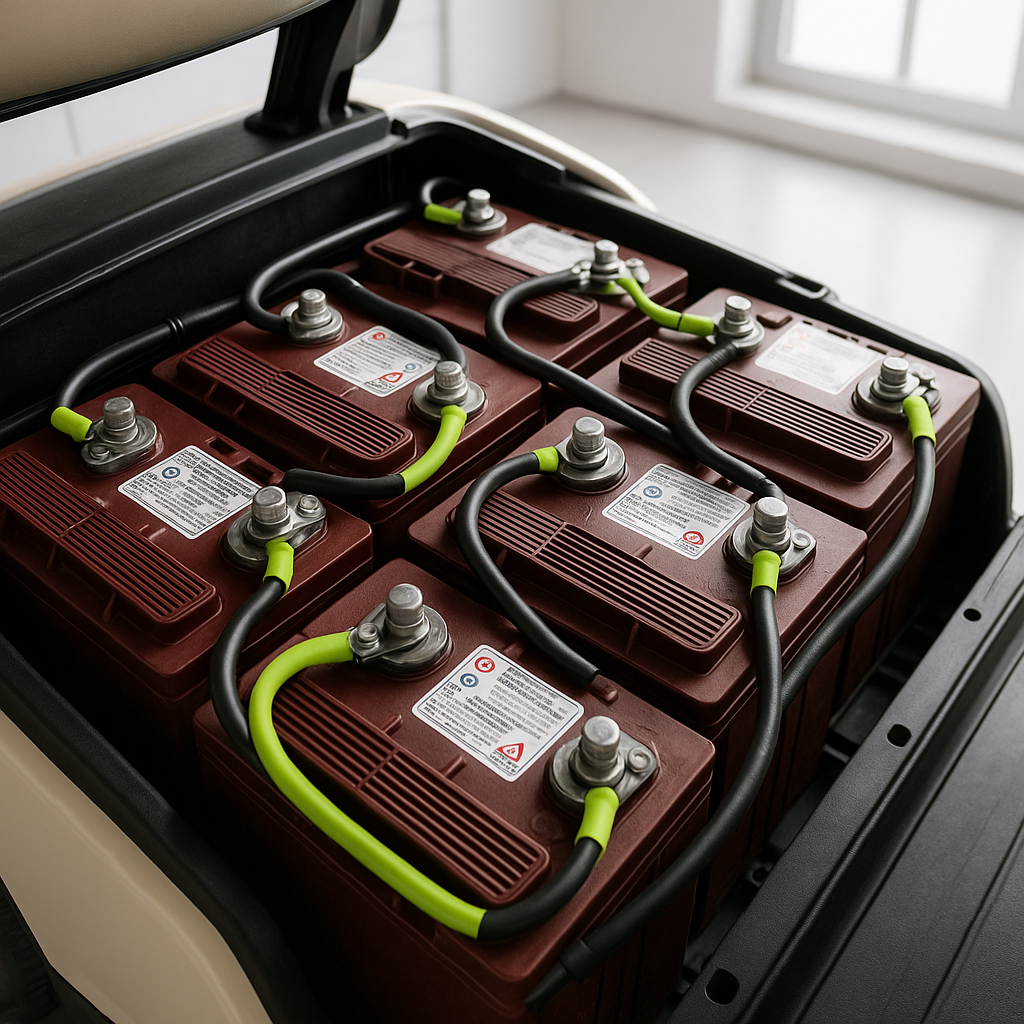
Low battery voltage is the single most common reason a solenoid appears dead when it isn't. Before touching the solenoid, put a fully charged battery pack under load and confirm the pack voltage is within an acceptable range for your system (36V, 48V, or whatever your cart runs). A weak pack can produce enough voltage to fool a resting multimeter but collapse under load, preventing the solenoid coil from generating a strong enough magnetic field to pull the contacts shut. If your batteries haven't been load-tested recently, do that first.
Test the Coil (Low-Voltage) Side
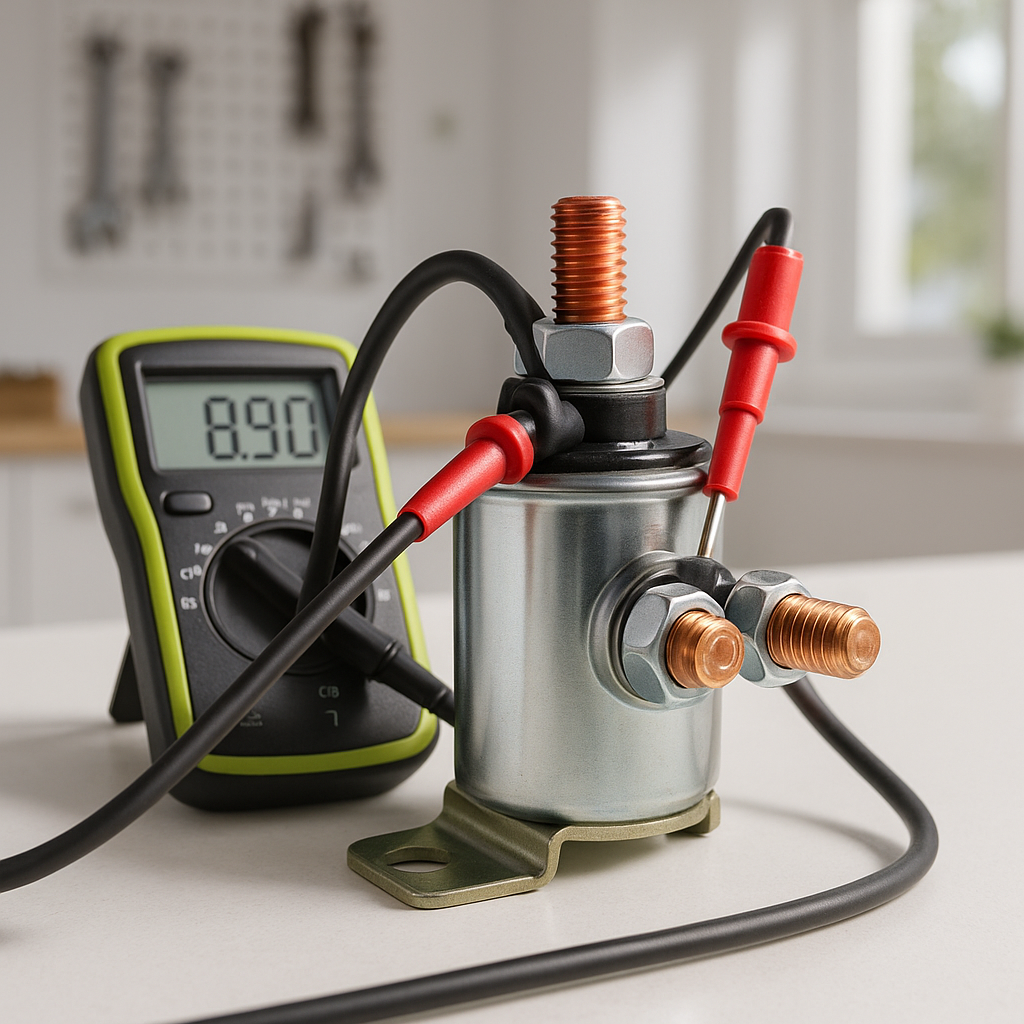
The solenoid has two sets of terminals: small terminals for the control circuit and large terminals for the main power circuit. Set your multimeter to DC voltage and back-probe the small terminals while an assistant presses the accelerator. You should see voltage appear at those terminals when the cart is activated — the exact value depends on your system, but it should be close to your pack voltage or a regulated lower voltage depending on how your cart's control circuit is wired. If you see proper voltage at the small terminals but hear no click, the solenoid coil is open or burned and the solenoid needs replacement. If you see little or no voltage at the small terminals, the problem is upstream — check your key switch, accelerator micro-switch, or controller output, not the solenoid itself.
Test the Contacts (High-Voltage) Side
If the solenoid clicks when activated, the coil is working. Now check whether the contacts are actually passing current. With the cart activated (coil energized), measure voltage drop across the two large terminals. In a healthy solenoid, voltage drop across closed contacts should be very small — essentially near zero. A significant voltage drop across the large terminals while the solenoid is clicked in indicates the contacts are pitted, corroded, or burned and are creating resistance in the main power path. This is the classic symptom of a solenoid that clicks but still leaves the cart sluggish, jerky, or dead. Some technicians also perform a simple continuity check across the large terminals with the solenoid energized to confirm the contacts are closing fully.
Look for Physical Evidence of Failure
If your diagnostic results are borderline, physical inspection can confirm what the meter suggests. Disconnect the battery pack completely before touching any terminals. Remove the solenoid and inspect the large copper terminals and the internal contact disc (if the unit is serviceable enough to open). Heavy arcing leaves unmistakable burn marks, pitting, or copper transfer between surfaces. In some solenoid designs the contact disc can be flipped or replaced independently; in others the whole unit must go. Also check the wiring at the solenoid terminals — a loose or corroded connection here mimics a failed solenoid exactly and is a quick fix if that's all it is.
Know When a Solenoid Is Definitively Bad
Replace the solenoid when you've confirmed: voltage is present at the control terminals but no click occurs (open coil), or the coil clicks but there's a meaningful voltage drop across the power terminals under load, or physical inspection shows burned contacts with no serviceable fix. If all your solenoid tests pass but the cart still doesn't move, shift your attention to the motor controller, motor, or forward/reverse switch — the solenoid is doing its job and isn't the culprit.
A Few Safety Reminders
Golf cart electrical systems carry enough current to cause serious burns or start fires if shorted. Always disconnect the negative battery cable before any hands-on work at the solenoid. Keep your multimeter leads away from simultaneously touching large positive terminals and chassis ground. Work in a dry environment, wear safety glasses, and never assume a battery pack is discharged just because the cart isn't running — the pack voltage is present any time the batteries are connected.