If your golf cart's flooded lead-acid batteries are losing range faster than they used to, or some batteries seem weaker than others even after a full charge, it may be time to equalize your battery pack. Equalization is a controlled overcharge process that balances the charge across all cells, breaks up sulfation on the plates, and brings a drifting pack back into alignment. Done on a regular schedule — typically once a month or once every 10 charge cycles — it's one of the most effective things you can do to extend battery life.
What Equalization Actually Does
Over time, individual cells inside a battery develop slightly different states of charge. Some charge faster, some slower, and sulfate crystals begin forming on undercharged plates. Left unchecked, this imbalance compounds — one weak battery drags the rest of the pack down, range suffers, and you end up replacing batteries years before you should. Equalization applies a higher-than-normal charge voltage for an extended period, forcing all cells toward a full state of charge and helping dissolve soft sulfation before it hardens permanently. This only applies to flooded (wet cell) lead-acid batteries — do not attempt equalization on sealed AGM or gel batteries, as it will damage them.
Before You Start
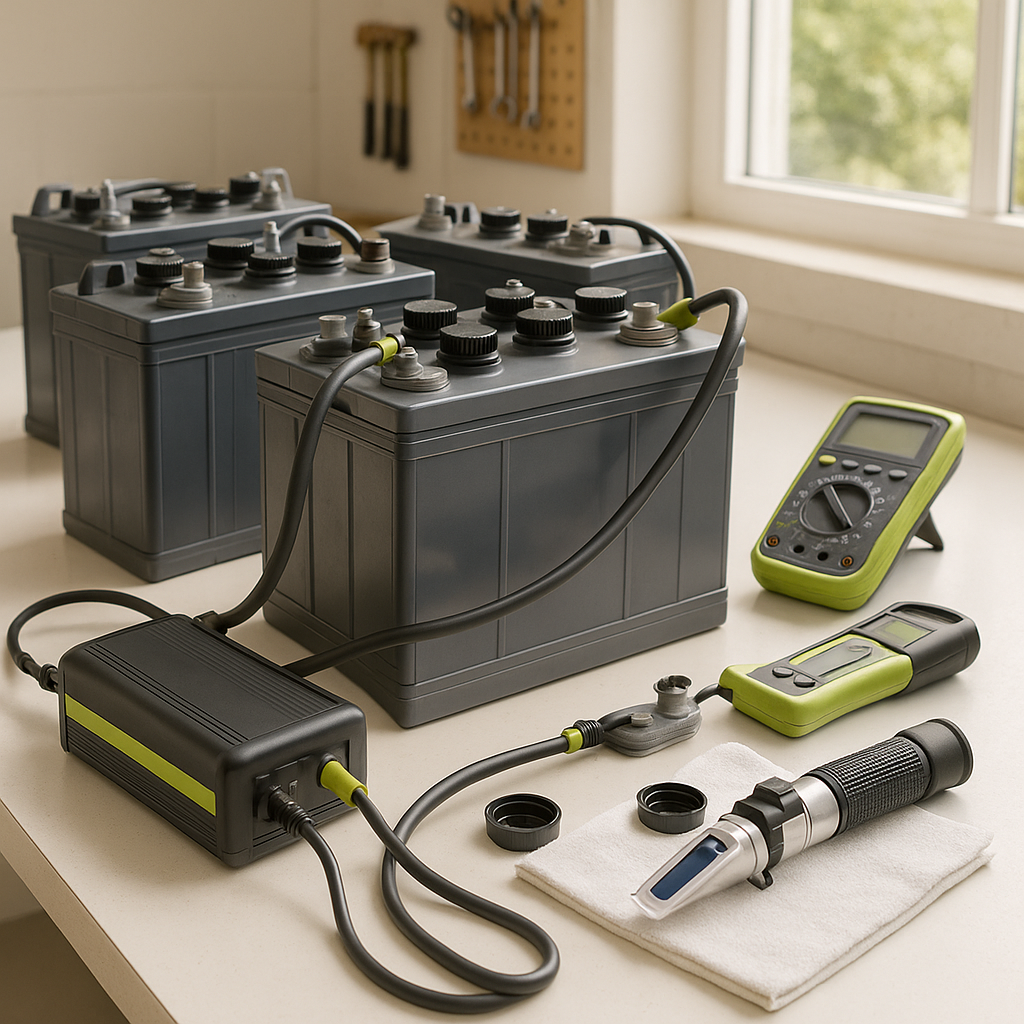
First, confirm your batteries are flooded lead-acid. Check the battery tops for removable vent caps — if they have them, you have flooded batteries. Next, verify your charger has an equalization mode or a manual equalization setting. Not all chargers do. If yours doesn't, a dedicated equalization cycle isn't something you can safely replicate by just leaving a standard charger connected longer — the voltage profile matters. Also check your water levels before equalizing and top off any low cells with distilled water. You want water at the correct level before you start, not after. Finally, do this outdoors or in a very well-ventilated area. Equalization produces hydrogen gas as a byproduct, and that's not something you want accumulating in an enclosed garage.
Step-by-Step: Running an Equalization Cycle
Start with a full standard charge. Let your charger complete its normal cycle before beginning equalization — you're not trying to charge from empty, you're topping off and balancing an already-charged pack. Once the standard charge is complete, activate the equalization mode on your charger. Most chargers with this feature handle the voltage and timing automatically. The cycle typically runs for one to three hours depending on the charger and the condition of your batteries. During the cycle, you'll hear gentle bubbling from the battery vents — this is normal and expected. That gassing action is what agitates the electrolyte and helps break up sulfation. Do not walk away and forget about it. Check in every 30 minutes. Batteries should feel warm but not dangerously hot. If any battery becomes extremely hot to the touch, or if you smell something burning rather than just the sulfur smell of gassing, stop the process immediately.
After the Cycle
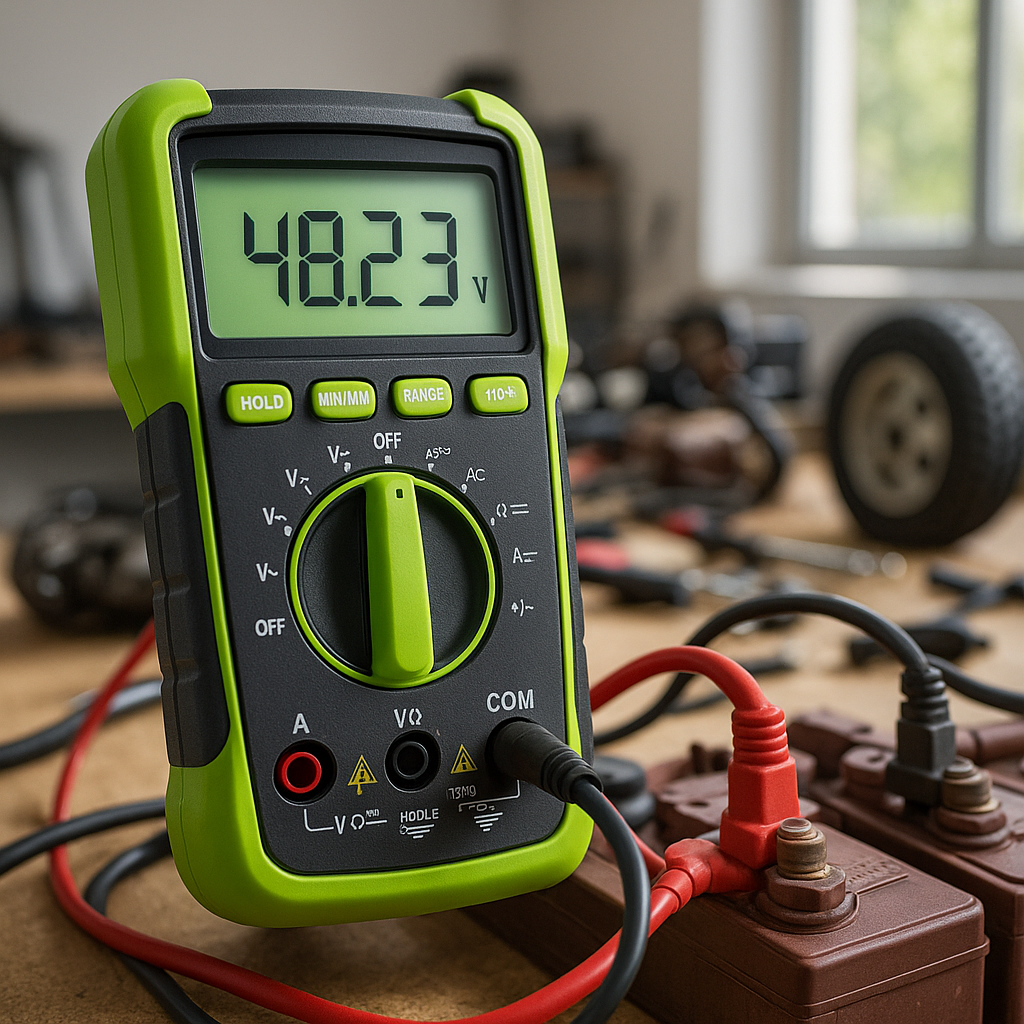
When the equalization cycle finishes, check your water levels again. Gassing during equalization consumes water, so cells that were at the correct level before may need topping off afterward. Use only distilled water and fill to the manufacturer's recommended level — typically just above the plates, not to the brim. Wipe down the battery tops with a damp rag to remove any electrolyte residue that may have bubbled out. Let the batteries rest for at least an hour before using the cart. If you have a battery hydrometer or a good multimeter, take specific gravity or voltage readings across all batteries now — you should see a much tighter spread between the highest and lowest readings than before the equalization.
How Often Should You Equalize?
For carts in regular use, once a month or every 10 charge cycles is a commonly recommended interval. If your cart sits for weeks at a time between uses, equalize before putting it back into service. Some experienced owners also do one extra equalization at the start and end of each season. What you want to avoid is equalizing constantly or as a substitute for a charger that isn't doing its job — if you're equalizing every week and still seeing performance problems, the issue is likely a failing battery or a malfunctioning charger, not a lack of equalization.
Signs Equalization Isn't Enough
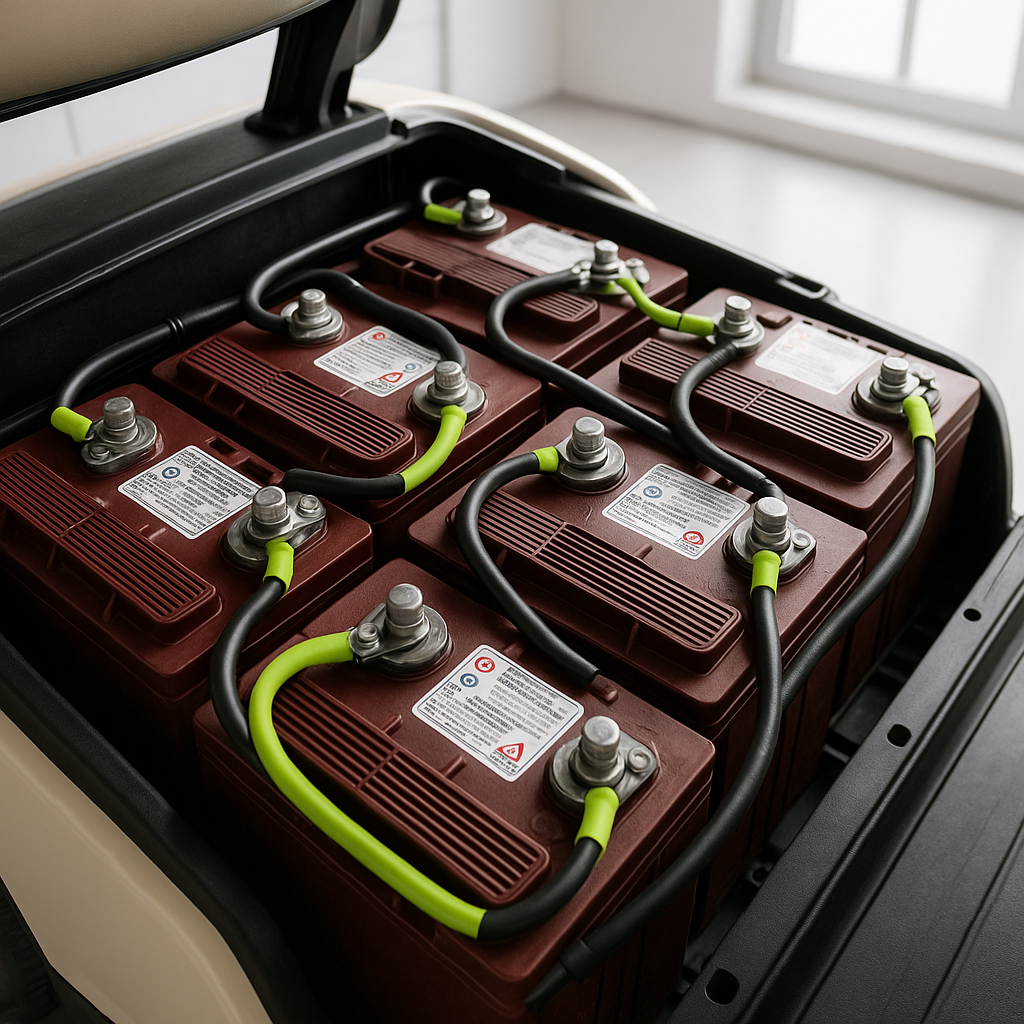
Equalization helps with sulfation and cell imbalance, but it can't fix a battery that has a shorted cell, physical plate damage, or severe irreversible sulfation from sitting deeply discharged for a long time. If after a proper equalization cycle one battery still reads significantly lower voltage or specific gravity than the rest, that battery has likely failed and needs to be replaced. Because battery health is interdependent in a series pack, replacing just one bad battery in an otherwise aging pack is a short-term fix at best — the new battery will be dragged down by the weaker ones around it. Equalization is maintenance, not a miracle cure, but as part of a consistent routine it genuinely makes a measurable difference in how long your pack lasts.