Adding a rearview mirror to your golf cart is one of the quickest, highest-value safety upgrades available. Whether you're driving on a cart path, crossing streets in a golf community, or hauling gear around a job site, being able to see what's behind you without turning your head makes a real difference. The good news: installation is straightforward and requires minimal tools. The bad news is that a poorly mounted mirror vibrates loose, rattles constantly, or droops out of position — so doing it right the first time matters.
Understand the Two Main Mounting Styles
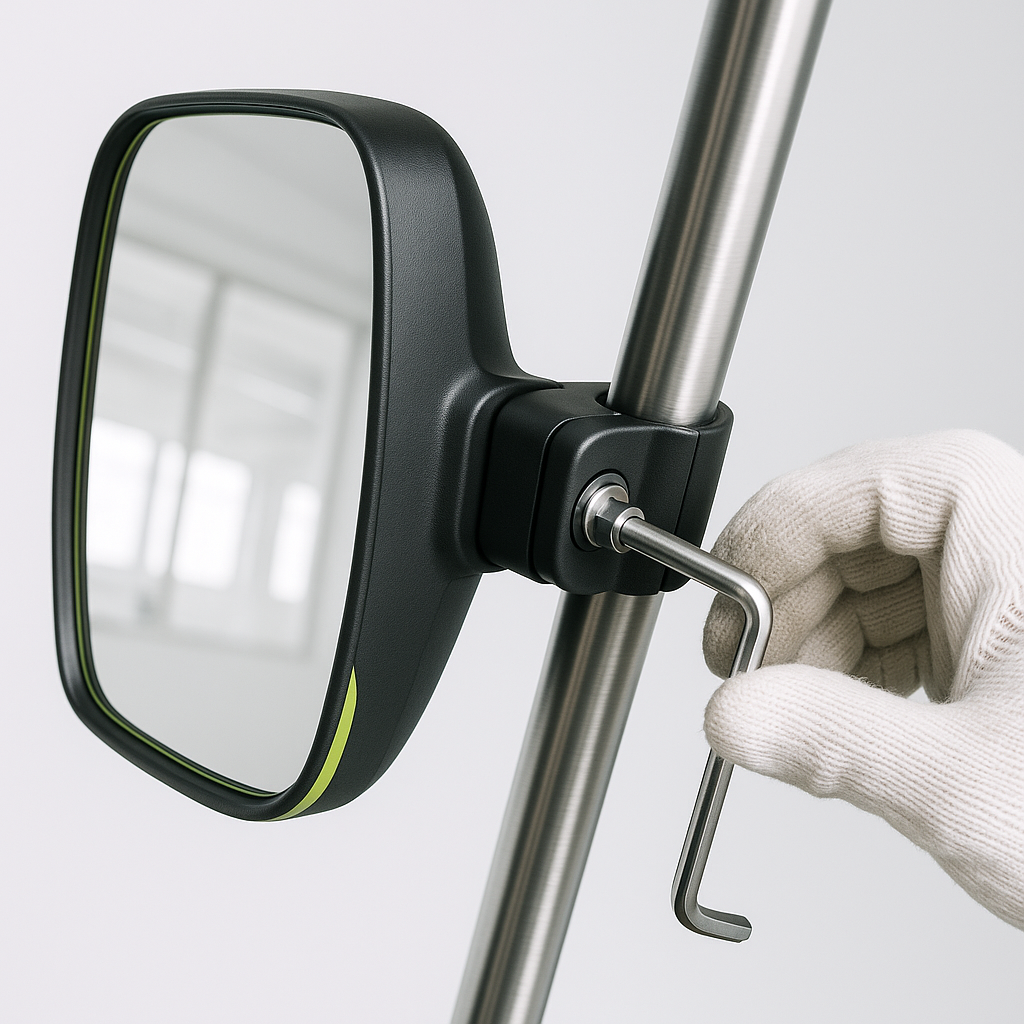
Most golf cart rearview mirrors mount in one of two ways: windshield-frame clamp or roof-strut clamp. Windshield-frame mirrors clamp onto the top rail of your windshield frame and work well on carts that have a folding or fixed windshield. Roof-strut mirrors clamp onto the support poles of your cart's roof canopy and are the better choice if you don't have a windshield or if your windshield frame is too thick or oddly shaped to accept a clamp. Before buying a mirror, physically measure the diameter of your windshield frame rail or roof strut so you know what clamp size you need — this is the single most common fitment mistake people make.
Tools and Prep
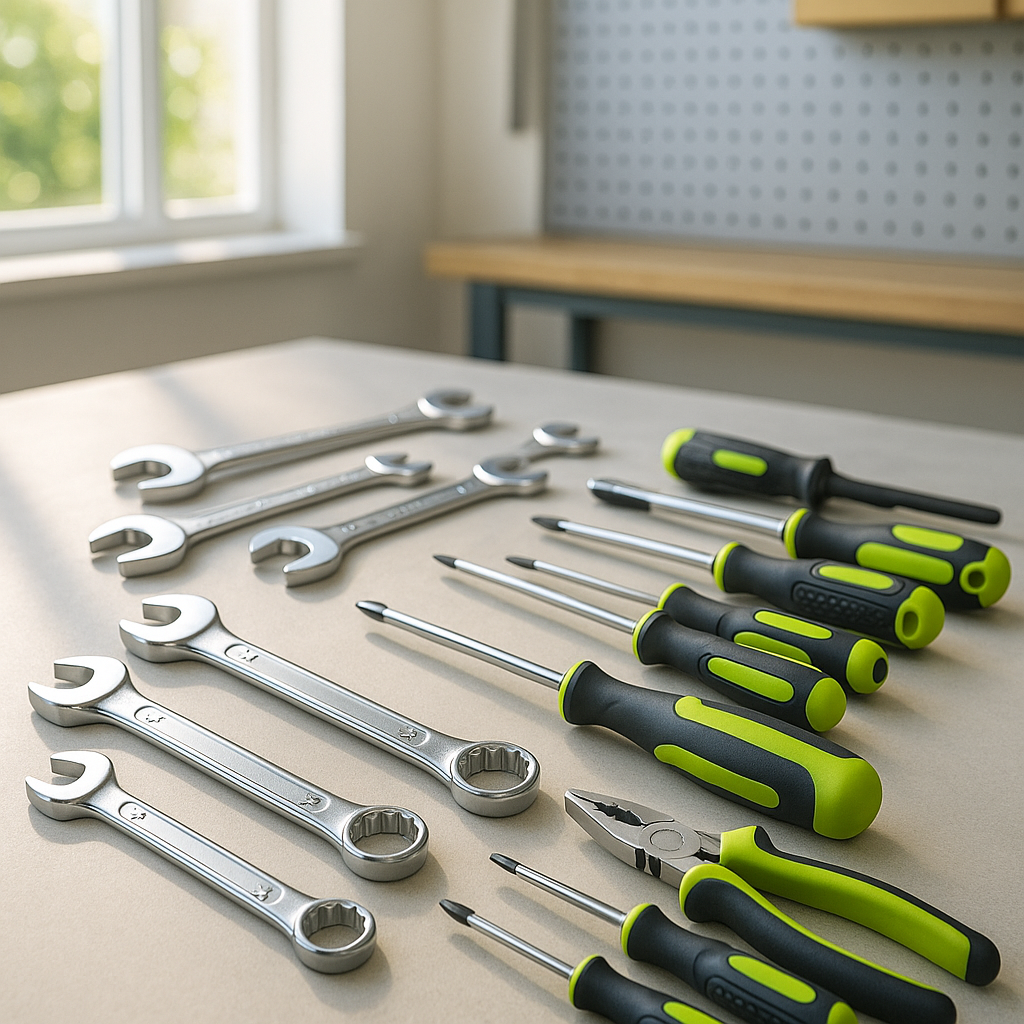
For most clamp-style mirrors you'll need a screwdriver (flathead or Phillips depending on the hardware included), and possibly a small wrench or socket to tighten the clamping bolt. No drilling is required for clamp-mount mirrors, which is why they're the standard choice. Lay out your hardware before you start and make sure all the pieces are present — it's common for small spacers or rubber cushions to get lost in the packaging. Clean the mounting surface with a rag before clamping; oil, dirt, or wax can cause the clamp to slip over time even when it feels tight initially.
Step-by-Step Installation
Start by loosening the clamp hardware enough to slide it over your chosen mounting point — the windshield frame rail or roof strut. Position the clamp where you want the mirror to sit, generally centered above the steering wheel or slightly offset toward the driver's side for a better sight line. Slide the rubber cushion or protective sleeve into the clamp jaws if your mirror includes one (this protects the frame and dramatically reduces vibration-related loosening). Hand-tighten the clamp bolt until the mirror holds its position without rotating freely, but don't fully torque it yet. Sit in the driver's seat and adjust the mirror head to your sightline — you want to see as much of the area directly behind the cart as possible. Once the angle is dialed in, tighten the clamp bolt firmly. Give the mirror a firm shake to confirm it doesn't rotate or shift. If it moves, tighten further in small increments until it holds.
Common Problems and How to Avoid Them
The most frequent complaint with golf cart mirrors is that they won't stay adjusted — they sag or rotate after a few days of use. This is almost always a clamping or friction issue. Some mirrors rely on a single pivot ball and socket for adjustment; if that joint is worn or the locking nut isn't tight enough, the mirror will droop. Tighten the adjustment pivot hardware just until the mirror holds position under a light tug. Over-tightening can crack the plastic housing, so find the middle ground. The second common issue is clamp slippage on the mounting bar — adding a small strip of rubber (even a piece of an old inner tube) between the clamp and the frame rail gives extra grip without damaging the finish.
Street-Legal and Safety Considerations
If you drive your golf cart on public roads — in a golf cart community, low-speed vehicle corridor, or anywhere your local regulations apply — mirrors may be legally required, not just helpful. Many jurisdictions that allow golf carts on public streets require at least one rearview mirror, and some require side mirrors as well. Check your local ordinances before assuming you're compliant. Even where mirrors aren't legally mandated, they're one of the simplest ways to make a golf cart meaningfully safer for passengers, pedestrians, and other vehicles sharing the path.