Replacing a golf cart steering wheel is one of the more satisfying upgrades you can make — it's visible every single ride, it affects how the cart feels to drive, and on most carts it's a genuinely straightforward job. Whether your current wheel is cracked, faded, slippery with age, or you just want a cleaner look, swapping it out takes basic hand tools and no special expertise. The key is understanding how the wheel is secured to the column and making sure you pull and reinstall it the right way.
Gather What You'll Need
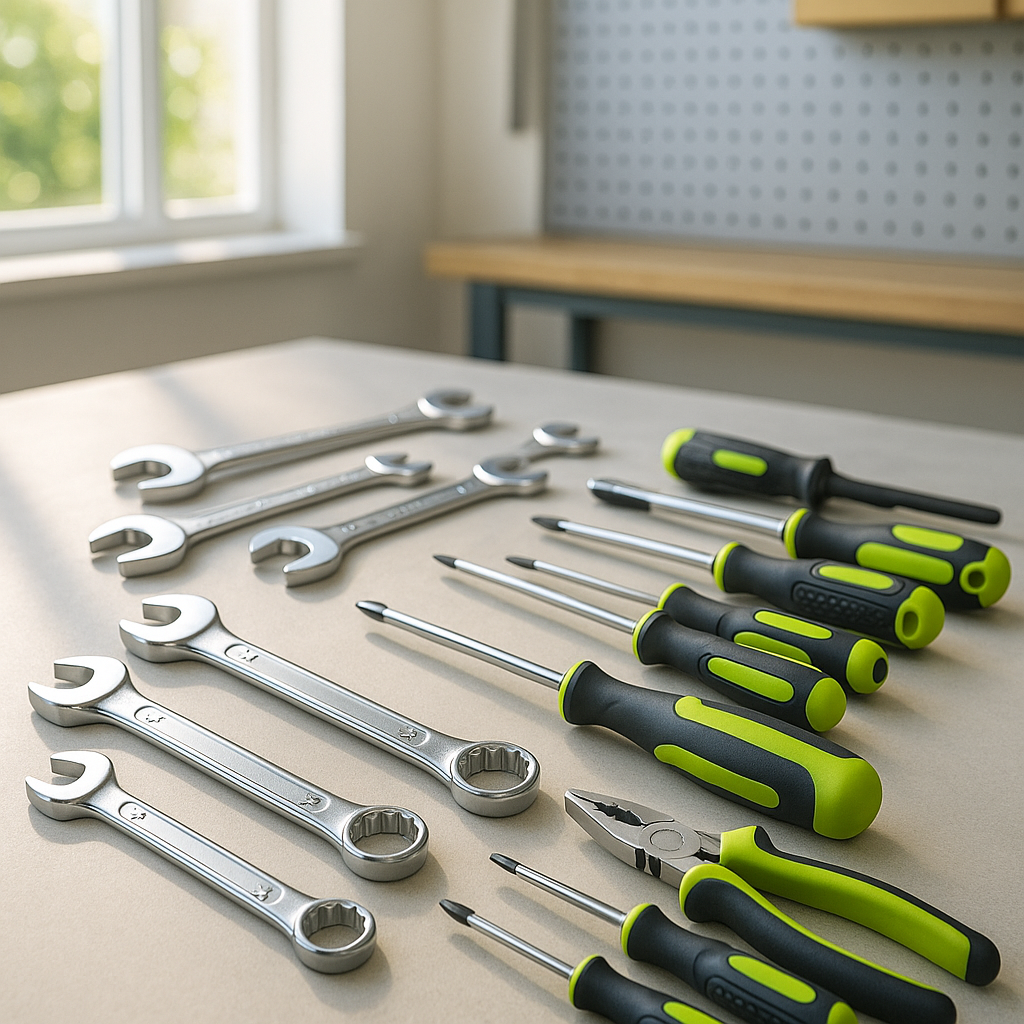
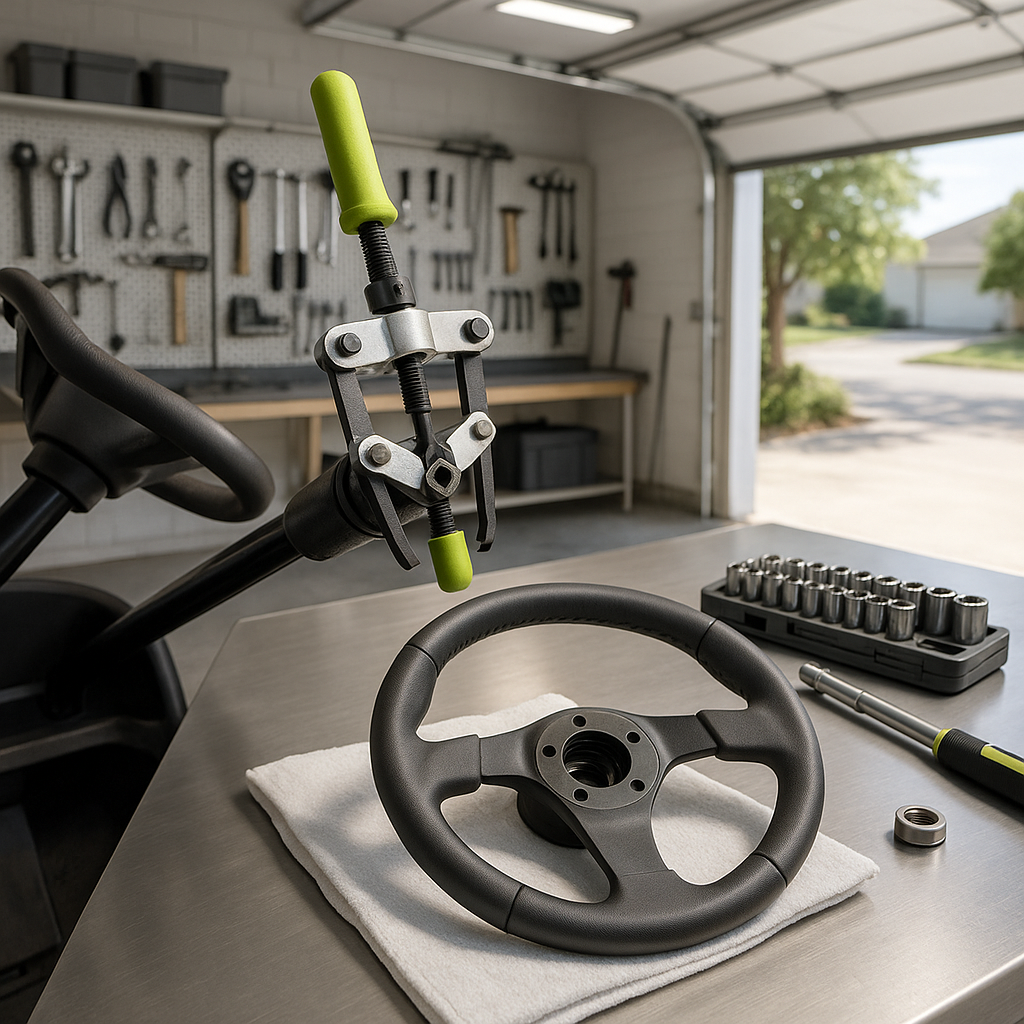
Before you start, get your tools together. You'll typically need a steering wheel puller tool, a socket set, and possibly a flathead screwdriver and trim tool for removing the center cap. A steering wheel puller is not optional — do not try to yank the wheel off by hand or pry it from behind. The wheel is press-fit onto a tapered splined shaft, and forcing it without the right tool risks damaging the column or injuring yourself when it suddenly releases. Pullers are inexpensive and widely available at any auto parts store.
Disconnect the Battery First
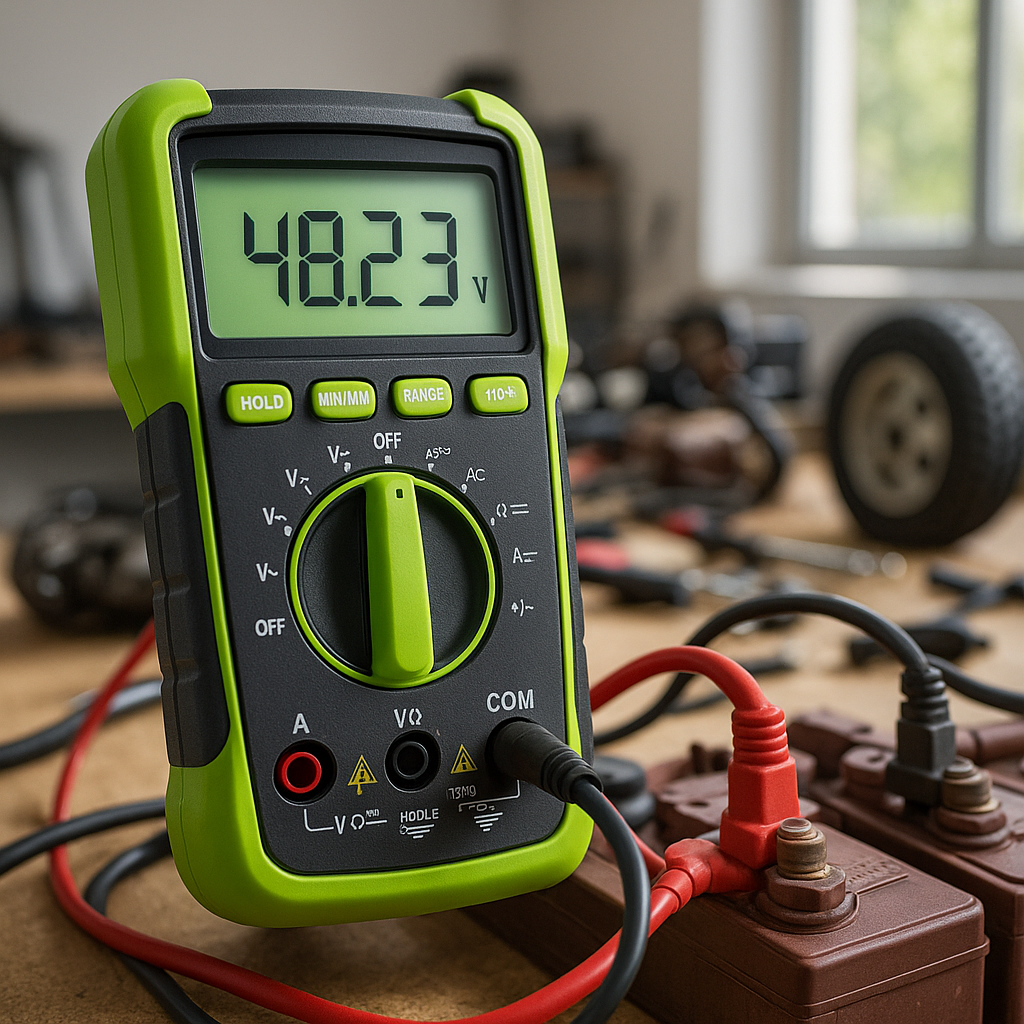
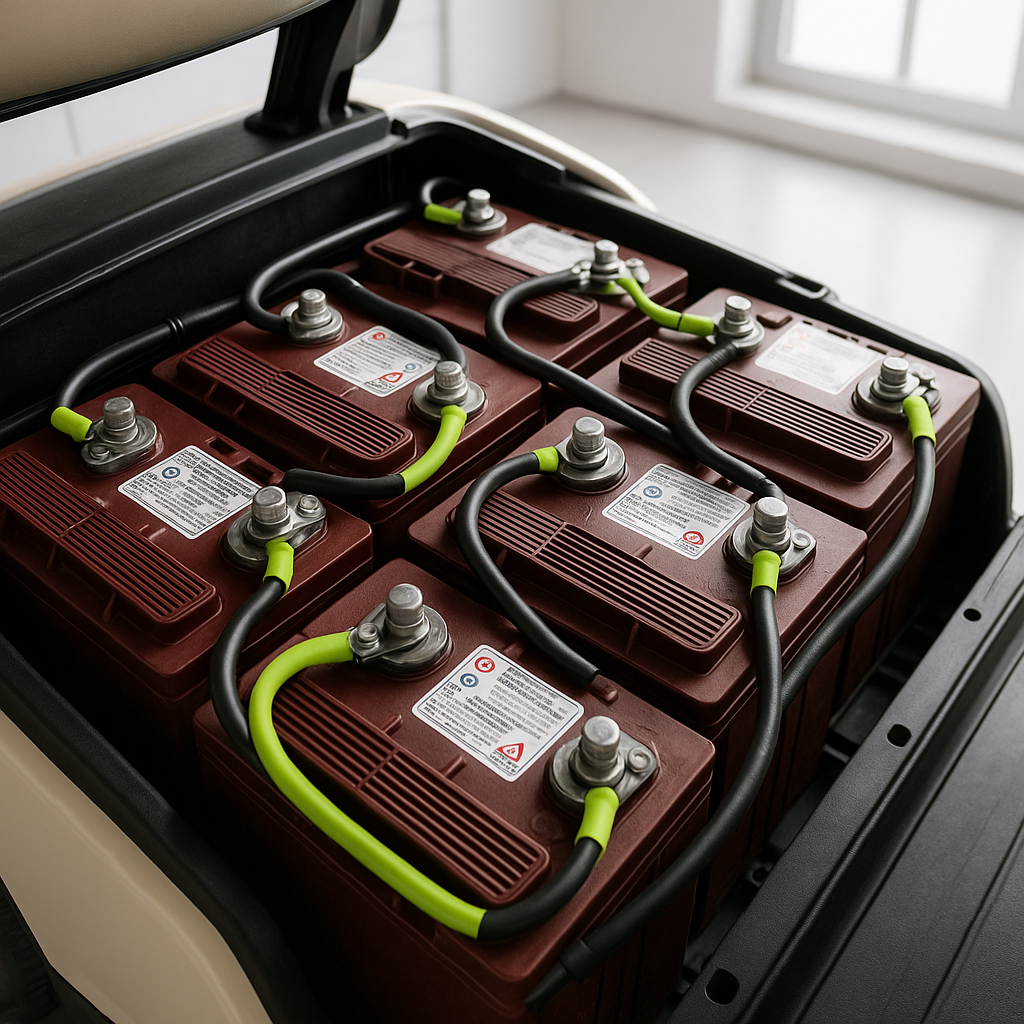
Safety before anything else. On an electric cart, disconnect the main battery pack — negative cable first — so there's no live power running through the system while you're working near the column. On a gas cart, disconnecting the battery is still good practice. If your cart has a horn wired through the steering wheel or column, having the power off prevents any accidental shorts when you disconnect those wires.
Remove the Center Cap and Retaining Nut
Most steering wheels have a center cap or horn button cover that pops off with a trim tool or flathead screwdriver. Work around the edge gently — these caps are often plastic and can crack if you force one spot. Once the cap is off, you'll see the retaining nut that holds the wheel to the column shaft. Note the position of the wheel before you remove anything: most people put a piece of tape at the 12 o'clock position on the shaft so they can reinstall the new wheel perfectly centered. Remove the retaining nut and keep it somewhere safe — you'll need it again.
Use a Steering Wheel Puller
Thread the puller's bolts into the holes on the steering wheel face — most wheels have two or three threaded holes specifically for this purpose. Tighten the center bolt of the puller gradually and evenly until the wheel breaks free from the tapered shaft. It will usually release with a noticeable pop. Remove the wheel, and if there are any horn wires connected behind the center cap, disconnect them now and note how they were routed.
Check the Column Shaft and Splines
With the old wheel off, take a moment to inspect the splined shaft. Look for any damage, corrosion, or wear on the splines. Clean off any grime or old grease. The splines need to be in good shape for the new wheel to seat correctly and stay tight. If you see significant wear or damage to the shaft itself, address that before installing a new wheel — a wheel that won't sit solidly is a safety issue.
Install the New Steering Wheel
Line up the new wheel with the shaft using your tape mark as a reference for center position. Most shafts have a master spline — one spline that's slightly different from the others — that only allows the wheel to go on in one orientation. Don't force it if it isn't dropping into place easily; rotate slightly until it aligns. Once it's seated on the splines, thread the retaining nut on by hand, then torque it down firmly with a socket. Refer to your cart's service manual for the correct torque spec if you have it — under-tightening is a real safety risk. Reconnect any horn wiring, snap the center cap back into place, then reconnect your battery.
Test Before You Drive
Give the wheel a firm tug in multiple directions to confirm it's fully seated and not moving on the shaft. Turn it lock to lock to make sure there's no binding and that it feels centered. If your cart has a horn, test that too. Then take a slow test drive in a safe area before heading out normally. A properly installed steering wheel should feel solid with no wobble, no play beyond what was there before, and no unusual resistance through the turns.