Replacing a golf cart steering wheel is one of the more satisfying upgrades you can make — it improves both comfort and control, and it's a job most owners can complete in under an hour with basic hand tools. Whether your stock wheel is cracked, slippery with age, or you just want a sportier look, the process is straightforward once you understand a few key steps. This guide covers what you need to know before you start, how to safely remove the old wheel, and how to seat the new one correctly.
What You'll Need
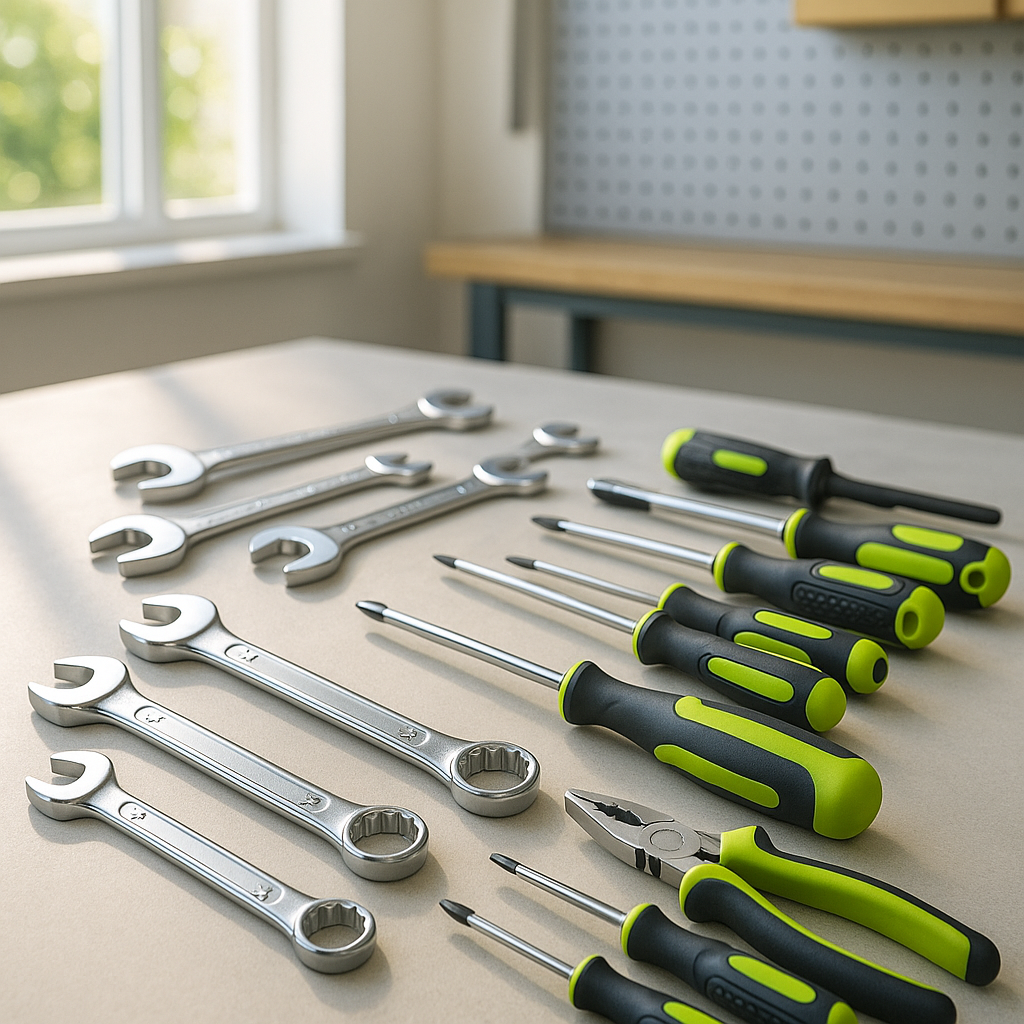
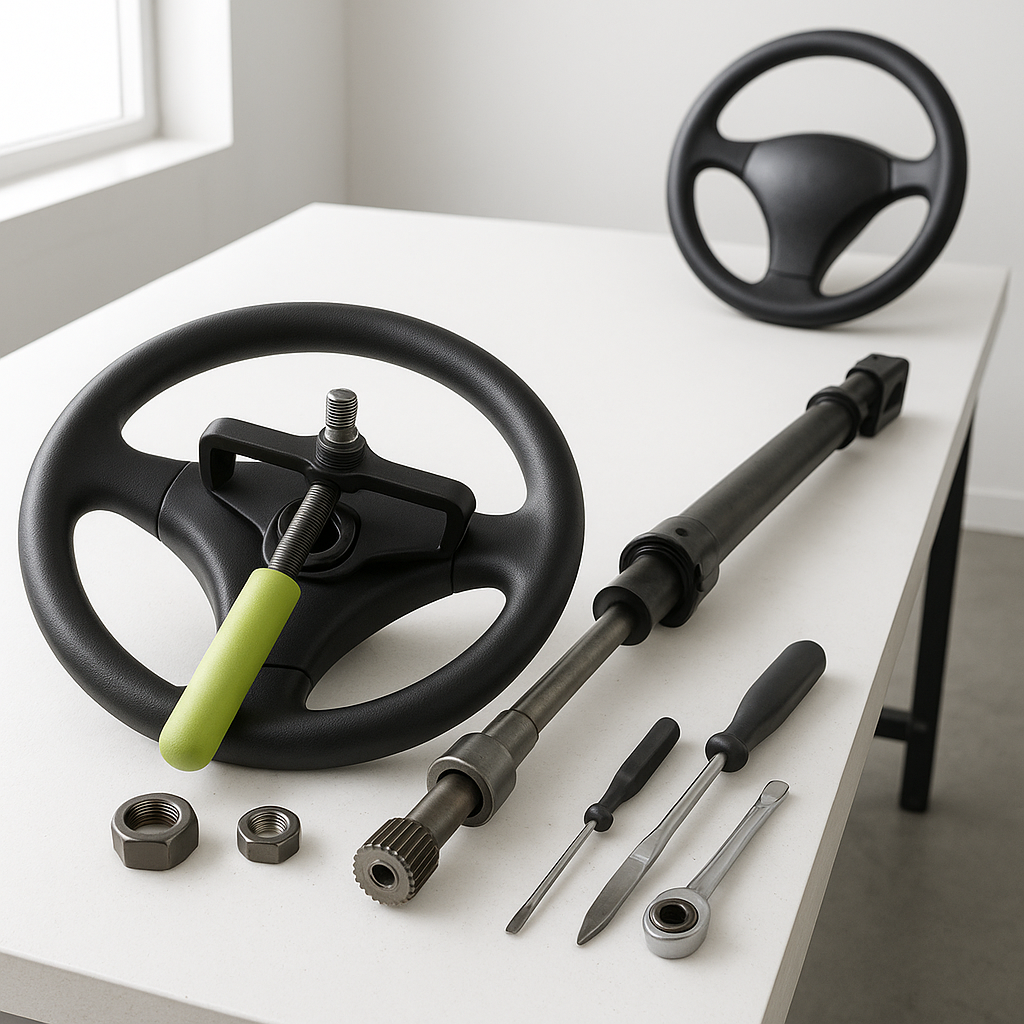
Most steering wheel swaps require a steering wheel puller (a small three-bolt tool that presses the hub off the shaft without damaging it), a socket set, and possibly a flathead screwdriver for trim work. Don't attempt to yank the old wheel off by hand or with a hammer — you risk damaging the steering column or the shaft splines you'll need to thread the new wheel onto. A puller costs very little and makes the job clean and safe. You'll also want a marker or a piece of tape to note the center position of the shaft before you remove anything.
Step 1: Mark the Center Position
Before touching a bolt, turn the wheel so the front wheels are pointed straight ahead. Use a marker or a small strip of tape to mark the top-center of the shaft relative to the column housing. This reference point is what keeps your new wheel aligned straight when you reinstall. It sounds minor, but skipping this step is the most common reason a freshly swapped steering wheel ends up slightly off-center.
Step 2: Remove the Horn Button or Center Cap
Most golf cart steering wheels have a center cap or horn button that pops off with a flathead screwdriver or simply by pressing and twisting, depending on the design. Set it aside carefully. Once the cap is off, you'll see the retaining nut that holds the wheel to the column shaft. Note whether your cart has a horn wire connected to the center — if so, disconnect it gently before proceeding.
Step 3: Remove the Retaining Nut and Pull the Wheel
Loosen and remove the center retaining nut. Keep it — you may reuse it, or your new wheel may come with its own hardware. Thread your steering wheel puller onto the hub (most stock golf cart wheels have threaded holes in the hub face specifically for this tool), then tighten the center bolt of the puller gradually until the wheel breaks free from the shaft taper. It will release with a pop. Set the old wheel aside.
Step 4: Inspect the Splined Shaft
With the old wheel off, take a moment to inspect the splined or tapered shaft for any corrosion, damage, or stripped threads. Clean off any light surface rust or grime with a dry rag. If the threads look damaged, address that before installing a new wheel — a cross-threaded or poorly seated retaining nut is a safety issue, not just a nuisance. This is also a good time to check that the steering column itself is tight and shows no wobble at the base.
Step 5: Mount the New Steering Wheel
Align your new wheel's center spoke with the mark you made in Step 1. Slide the wheel hub onto the shaft, making sure it seats fully into the taper or splines — it should drop into position with hand pressure and feel solid before you torque anything. Thread the retaining nut on by hand first to make sure it catches cleanly, then tighten it down firmly with a socket. Consult your new wheel's instructions for torque guidance if provided, since hub designs vary. Reconnect any horn wiring, then press the center cap back into place.
Step 6: Test Before You Drive
With the wheel on, turn it lock to lock and confirm the wheels track correctly and return to straight. Verify the wheel is centered — if you find it's a few degrees off, it's worth pulling the nut, correcting the position, and re-seating rather than leaving it crooked. Give the wheel a firm pull and push to confirm there's no wobble or looseness on the shaft before taking the cart out. A properly installed steering wheel should feel tight, smooth, and dead-center.
The whole job is approachable for any DIYer who takes their time with the alignment step and uses the right puller tool. A new steering wheel changes how a golf cart feels on every turn, and once you've done this swap once, you'll understand exactly what's happening inside your column if anything ever needs attention again.