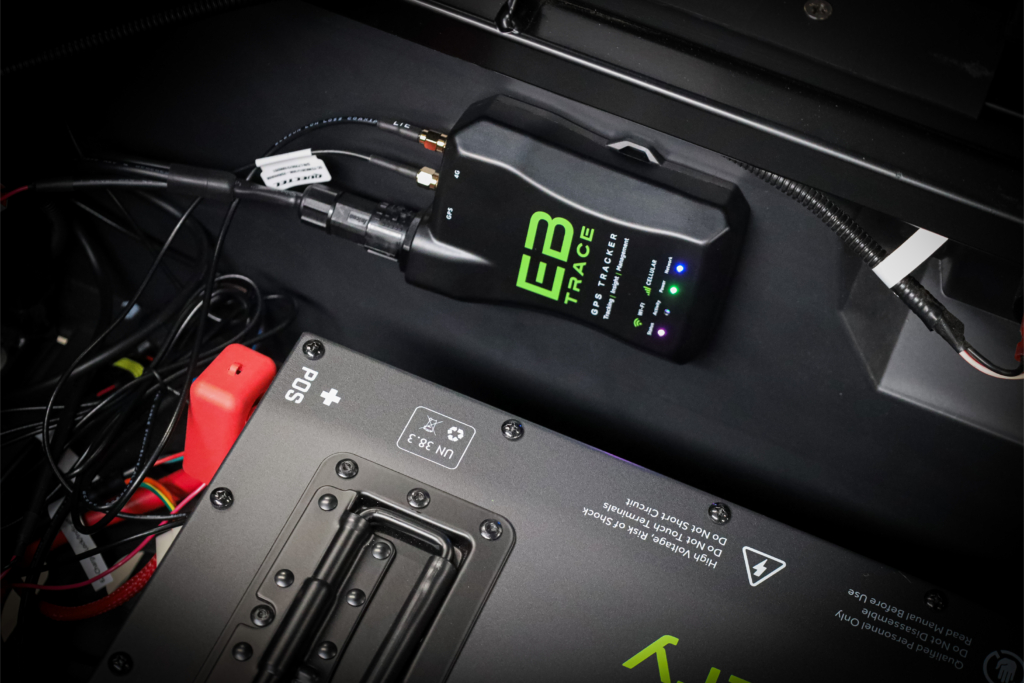
If you've shopped for a golf cart or golf cart parts in the last few years, you've probably noticed lithium batteries showing up everywhere — as factory options on new carts, as aftermarket conversion kits, and as the default recommendation in a lot of buying guides. This isn't just a marketing trend; it reflects real, well-documented differences in how the two battery types perform.
Why Lithium Is Gaining Ground
Traditional golf cart batteries use flooded lead-acid (FLA) technology — the same basic chemistry that's been standard in golf carts for decades. Lithium iron phosphate (LiFePO4) batteries, by contrast, are lighter, don't require regular water top-offs, and generally hold a usable charge for more cycles before their capacity meaningfully degrades.
The tradeoff has traditionally been upfront cost — lithium packs cost more per unit than a comparable lead-acid set. As lithium battery manufacturing has scaled up industry-wide (driven partly by electric vehicles and consumer electronics), that price gap has been narrowing, which is a big part of why lithium adoption in golf carts has accelerated.
What Hasn't Changed
Lead-acid batteries remain a reasonable, proven choice, especially for owners who don't drive their cart daily or who are prioritizing upfront cost over long-term convenience. They're also generally easier and cheaper to have serviced by a wider range of shops, since the technology has been standard for so long.
Whichever direction the market moves, both technologies are still widely supported, and neither is going away in the near term.