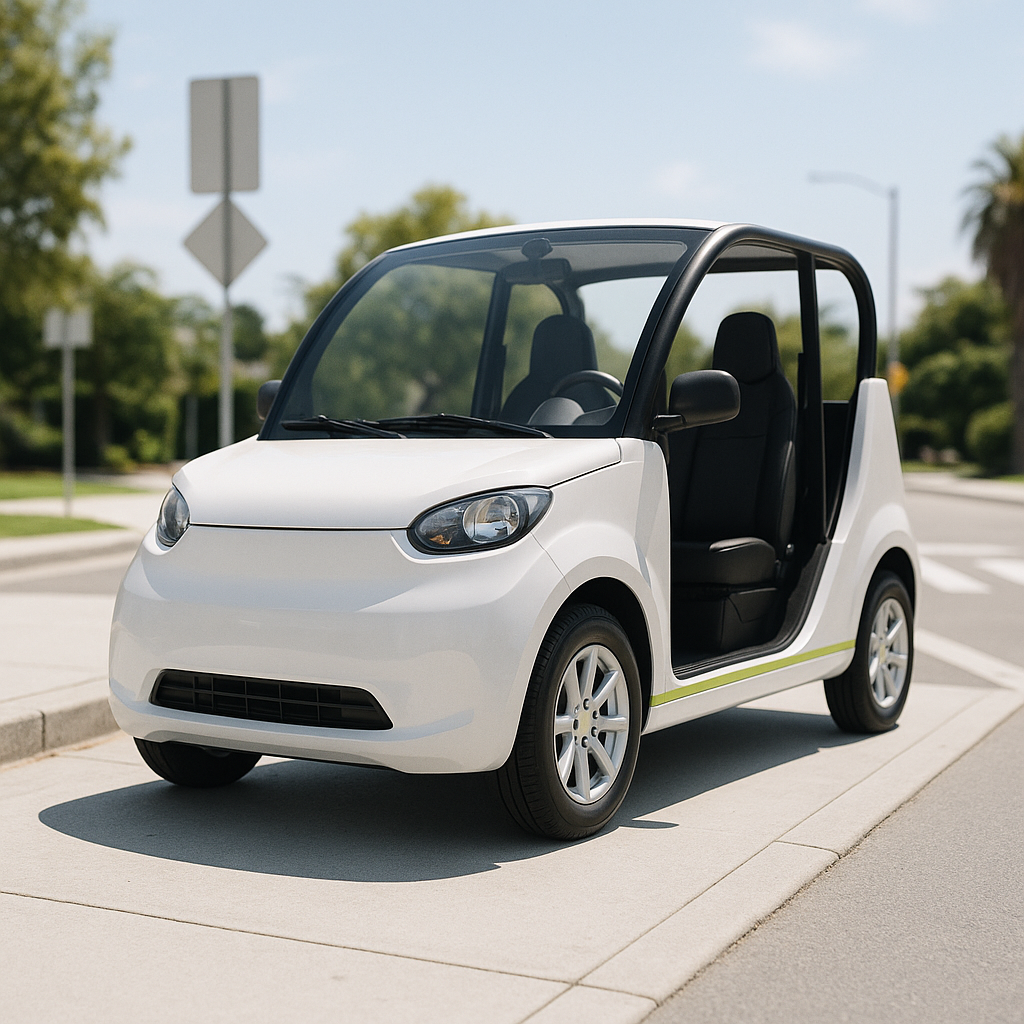
Low speed vehicles are currently restricted to public roads with posted speed limits of 35 mph or lower in most U.S. jurisdictions, a limitation that one industry observer argues is holding back market expansion for dealers and suppliers. The piece, published by Golf Car Options, uses a real-world sighting of an LSV traveling on U.S. Highway 441 in Florida as a jumping-off point to ask whether there's meaningful middle ground between today's tight restrictions and full highway access.
The analysis lays out a ground-level advocacy strategy, starting with the fact that traffic regulations are largely set at the county and municipal level. It recommends identifying which local departments oversee transportation planning — noting that in Palm Beach County alone, at least three separate agencies hold overlapping authority over LSV road access — and connecting with any existing e-mobility divisions or advocacy groups already operating in a given area. Because regulatory boundaries can vary dramatically between neighboring jurisdictions, the piece suggests regional, multi-jurisdiction approaches rather than one-off local campaigns.
Public education is flagged as a critical piece of the puzzle. Many officials, the article notes, still associate LSVs with golf course use and may be unfamiliar with the safety features that street-legal models carry. Organizing hands-on demonstrations for decision-makers is offered as one practical way to close that knowledge gap and shift the vehicle's public image.
Broader urban trends are also cited as tailwinds for LSV adoption. Changing zoning laws that reduce or eliminate parking space requirements are pushing municipalities toward higher-density development and greater reliance on alternative transportation — conditions that favor privately owned LSVs and on-call LSV fleets alike. The piece also points to suburban population shifts and the growth of last-mile delivery systems, including microhub trials in New York City, as structural changes that could expand the short-distance driving market where LSVs are most competitive.
The Low Speed Vehicle Dealers Association (LSVDA) is identified as a key organizing force, with the article arguing that now is the time for dealers to build relationships with the officials shaping these urban and regulatory changes — before the market opportunities those shifts create are already spoken for. This analysis was originally published by Golf Car Options.