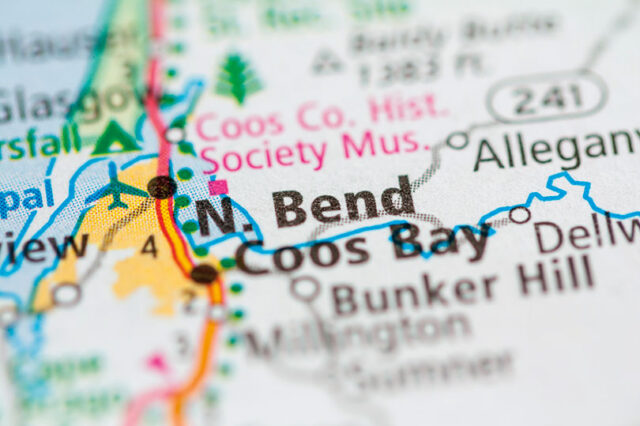
Low-speed electric vehicles are appearing on public roads across Central Oregon, part of a wider shift in how Americans approach short-distance travel. As reported by Central Oregon Daily and covered by Golf Car News, dealerships in Bend are fielding rising demand from buyers who want a smaller, simpler alternative to full-sized vehicles for local errands and neighborhood commuting. Chris DeJon of Mt. Bachelor Carts and Parts described them as vehicles built for cruising on lower-speed roads where a full-sized vehicle often feels excessive.
The category at the center of this shift is the neighborhood electric vehicle — commonly called an NEV or low-speed vehicle. Unlike a standard golf car, a qualifying NEV must meet federal safety standards and carry equipment including headlights, brake lights, turn signals, mirrors, a windshield, seat belts, and a vehicle identification number. In many states, properly equipped NEVs can legally operate on roads posted at 35 mph or below, with registration, insurance, and a valid driver's license typically required.
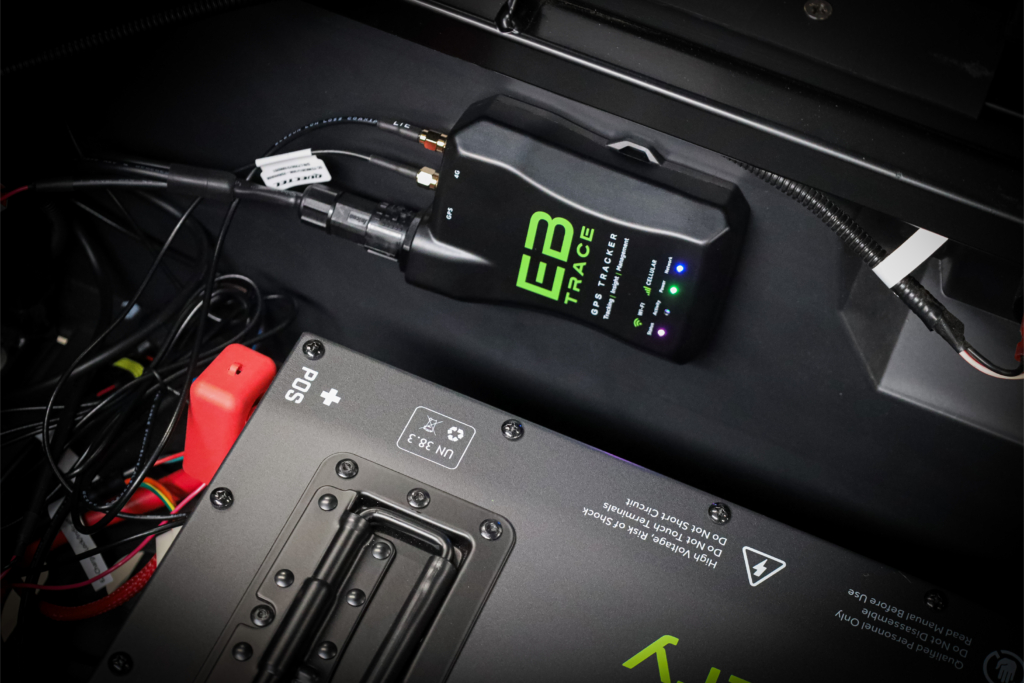
Today's NEVs look nothing like the stripped-down golf cars of the 1990s. Many now come with lifted suspensions, touchscreen displays, Bluetooth audio, lithium battery packs, luxury seating, and custom lighting — with some units priced well into five figures. The market has reportedly grown significantly since the pandemic as buyers search for local transportation alternatives, and usage has expanded into suburbs, resort areas, master-planned communities, coastal towns, and downtown districts across the country.
That said, the regulatory picture is messy. Rules vary sharply by state and municipality, and Oregon, for example, does not allow standard golf cars on public roads unless a specific local ordinance permits it. Buyers who assume every lifted electric vehicle they see online automatically qualifies as street-legal are often wrong — vehicle classification and local law both determine what's actually allowed. Safety concerns around traffic compatibility, underage operation, and roadway design continue to follow the trend as it grows.
The broader appeal, beyond specs and legality, comes down to scale and feel. Observers note that these vehicles create a more relaxed, community-oriented atmosphere on neighborhood streets — a contrast to the oversized crossovers dominating American roads. Whether NEVs cement themselves as a lasting transportation segment or stay a niche suburban fixture is still an open question, according to Golf Car News.