When your EZGO TXT or RXV starts acting up — hesitating off the line, lurching unpredictably, or refusing to move at all — the motor controller is one of the first suspects. It's the brain of your cart's drivetrain, managing how power flows from the battery pack to the motor. When it fails, the symptoms can range from mildly annoying to completely ride-ending. This guide walks you through the most common signs of a failing controller and how to rule out other causes before replacing it.
Common Symptoms of a Failing Motor Controller
A bad controller doesn't always announce itself dramatically. Sometimes it's subtle: the cart feels sluggish pulling away from a stop, or the throttle response feels inconsistent — smooth one moment, jerky the next. Other times it's more obvious: the cart doesn't move at all, even though the battery is charged and the motor sounds like it's trying to engage. You might also notice the controller getting unusually hot to the touch, or spot visible burn marks or swelling on the unit itself. Any of these warrant a closer look.
Step 1: Check the Obvious Stuff First
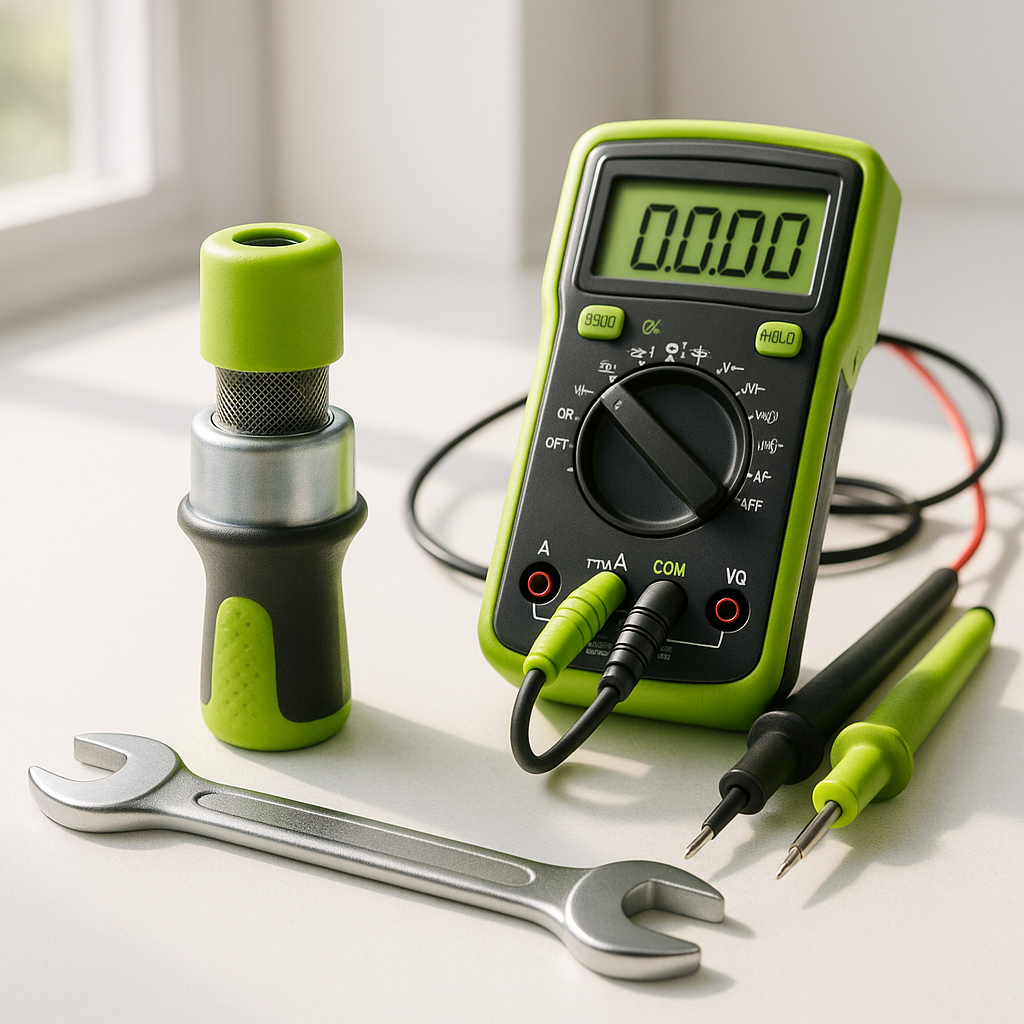
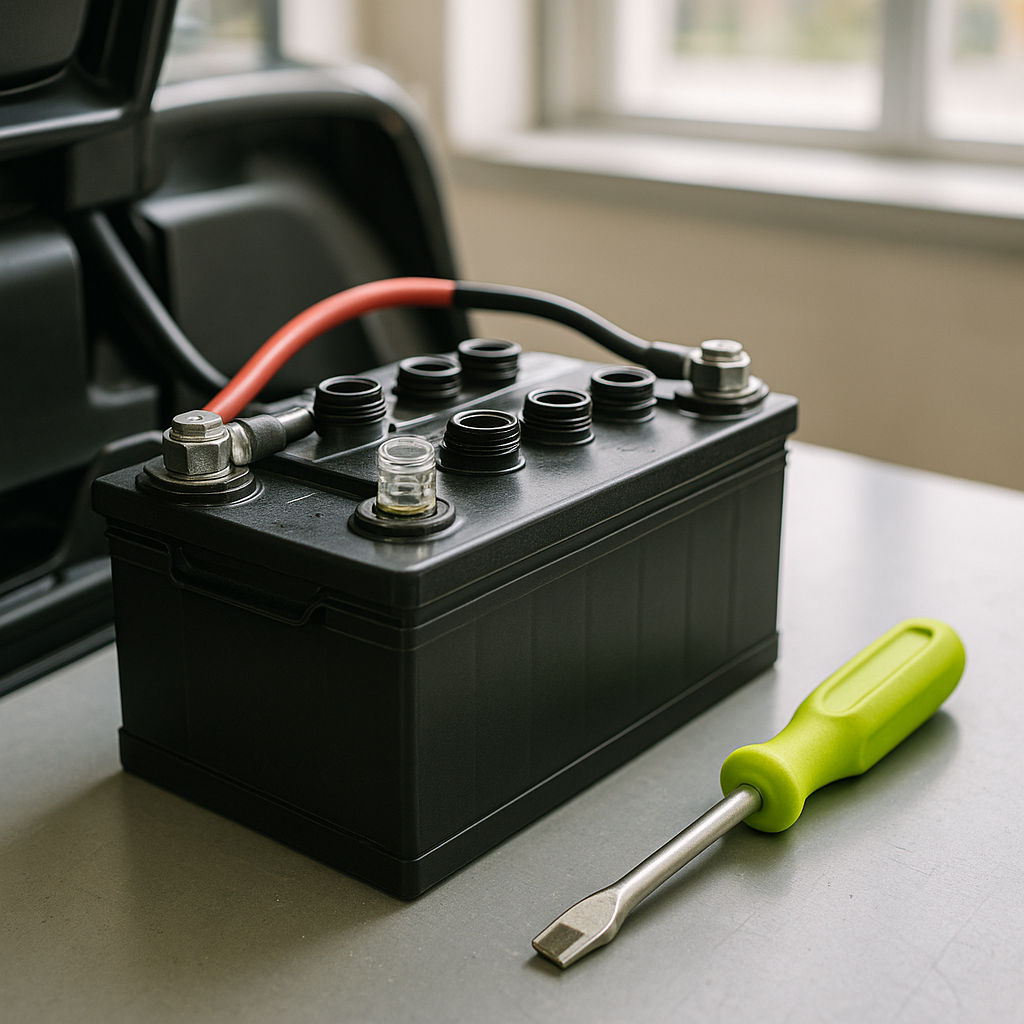
Before blaming the controller, eliminate the easy culprits. Check your battery pack voltage with a multimeter — a 36V system should read close to 38V when fully charged. Low or uneven battery voltage will cause symptoms that mimic a bad controller. Inspect all battery cable connections for corrosion, looseness, or damage. Then check your solenoid: a clicking solenoid that doesn't engage, or one that doesn't click at all, can cause a no-move condition that has nothing to do with the controller. Same goes for the throttle sensor or pedal switch — a faulty input signal means the controller never gets told to send power.
Step 2: Inspect the Controller Itself
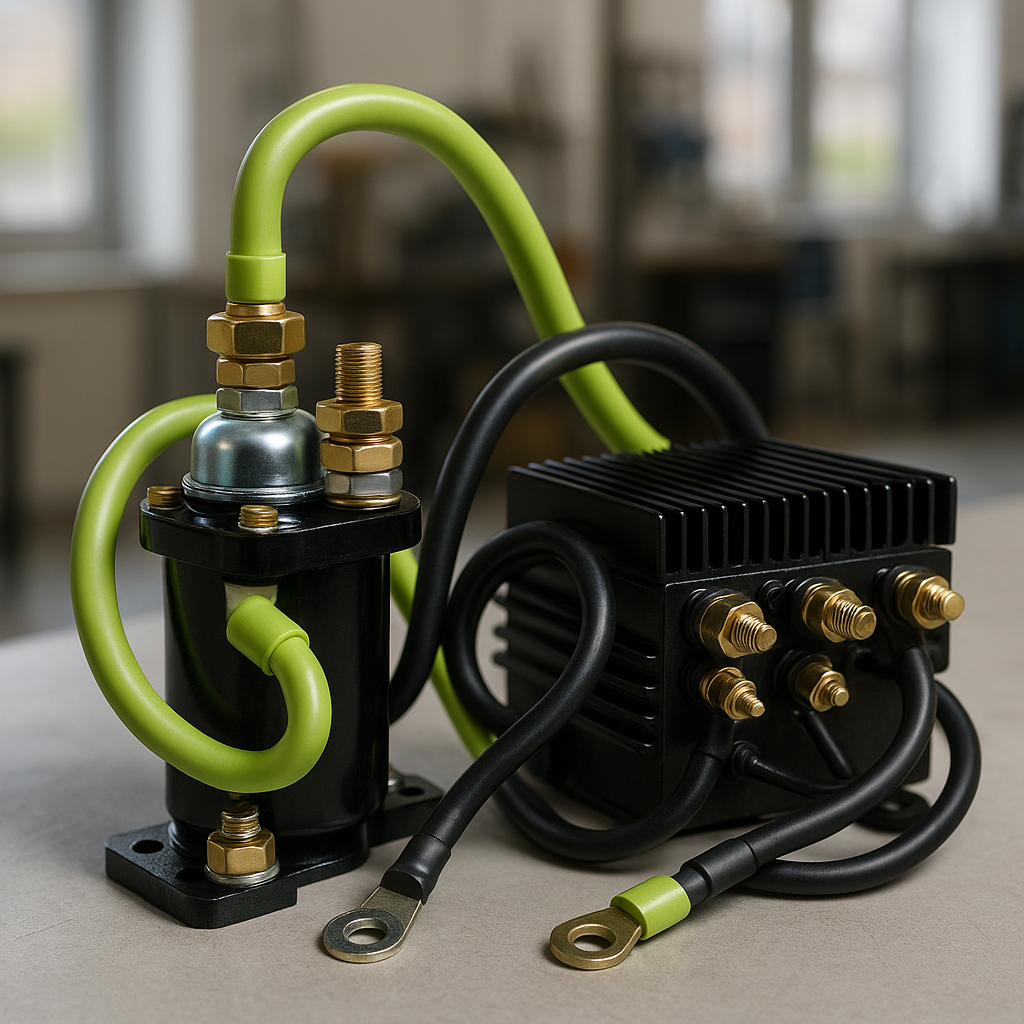
Locate the controller — typically mounted under the seat or near the battery compartment. Look for obvious physical damage: burn marks, swollen casing, melted connectors, or a strong burnt smell. Check that all wiring harness connections are fully seated and that no individual wires have chafed through or corroded at the terminals. A loose B+ or B- connection can cause intermittent power loss that looks exactly like a controller failure. If everything looks intact externally, the problem is more likely internal to the unit.
Step 3: Narrow It Down with a Process of Elimination
If your cart has access to a diagnostic port or you have a handheld cart diagnostic tool, use it. Some EZGO models will log fault codes that point directly to the controller. Without a diagnostic tool, the best approach is systematic substitution: if you have access to a known-good controller of the same spec, swapping it in is the fastest way to confirm the diagnosis. If the cart runs normally with the replacement, your original controller is the problem. This is especially worth doing before buying any parts, since controllers aren't cheap.
Step 4: Verify the Spec Before You Replace
Not all controllers are interchangeable. Voltage and current rating have to match your system — putting the wrong controller in can damage your motor or create a fire hazard. For a 36V EZGO TXT or RXV, you need a controller spec'd for 36V operation. Current rating (measured in amps) affects how aggressively the controller can deliver power; a 300A controller is a common OEM-class spec for these carts. Double-check your cart's model and year against any replacement part before ordering.
If you've worked through the diagnostics and the controller is the confirmed failure point, the Cartzilla 1206SX-005 Motor Controller is a 36V, 300A OEM-replacement option built for the EZGO TXT and RXV, designed to restore smooth throttle response and reliable electronic control performance.