You press the accelerator and nothing happens — or the cart lurches, hesitates, and crawls when it should move normally. Accelerator problems are one of the most common drivetrain complaints on both electric and gas golf carts, and the good news is that the diagnostic process is logical and doesn't require special equipment to get started. Work through the causes below from simplest to most complex before replacing anything.
Understand What the Accelerator System Actually Does
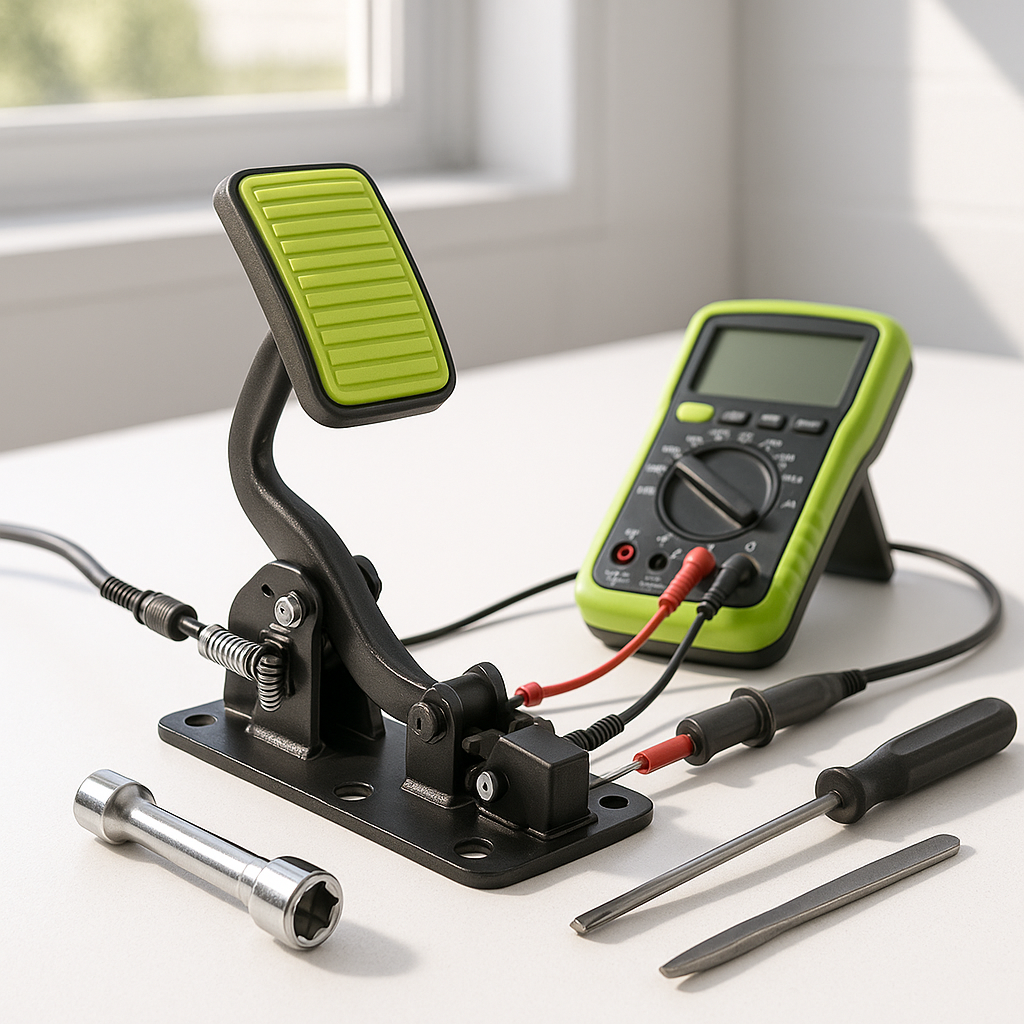
On an electric golf cart, the accelerator pedal doesn't directly drive the motor — it signals a throttle position sensor or a mechanical potentiometer (often called an inductive throttle sensor or ITS) that tells the controller how much power to deliver. On gas carts, the pedal operates a throttle cable connected to the carburetor or fuel injection system. Either way, there are multiple links in the chain between your foot and forward motion, and any one of them can fail. Knowing which type of system your cart uses shapes where you look first.
Check the Micro Switch and Pedal Switch First
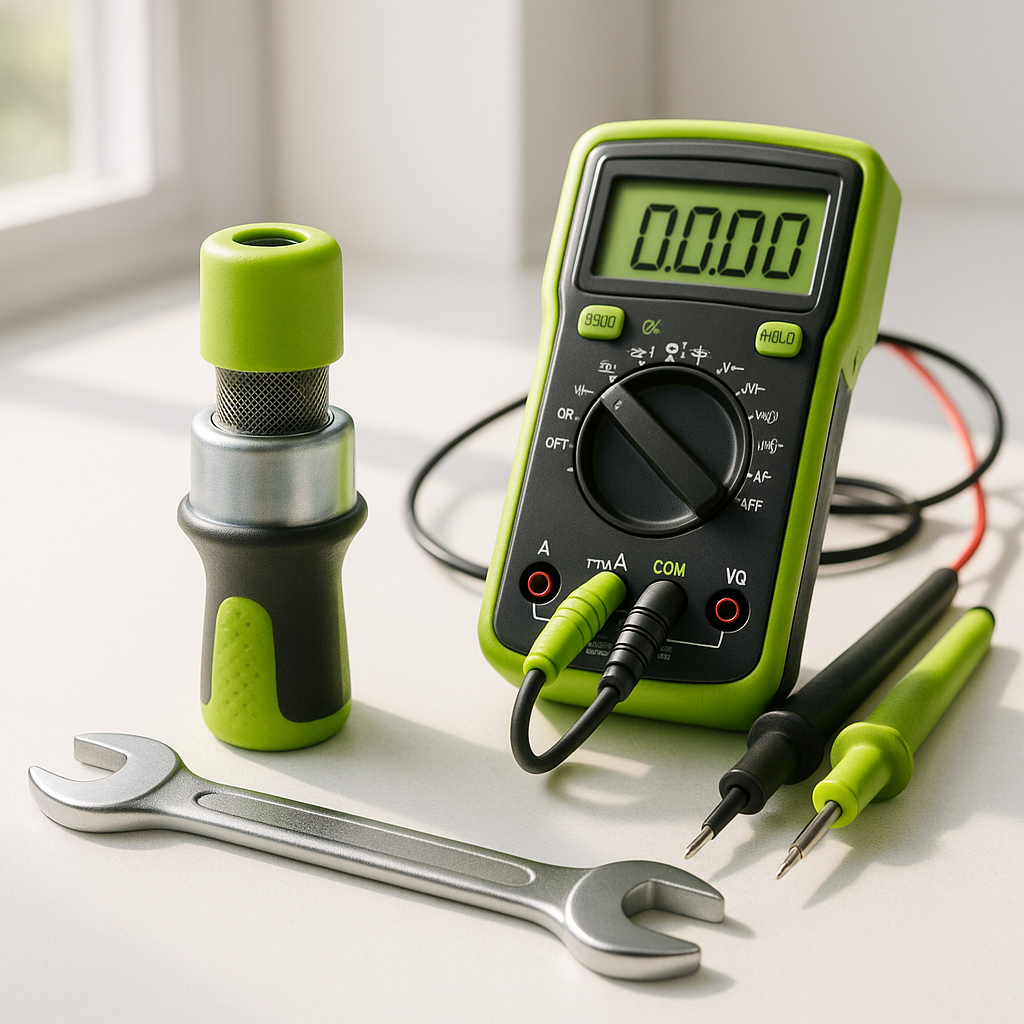
Most electric golf carts have one or more micro switches mounted at the accelerator pedal assembly. These small switches signal the controller that the pedal is being pressed before any throttle command is sent. If a micro switch fails or its mounting shifts so it doesn't fully actuate, the cart may not move at all, or may only respond when the pedal is pressed very hard. With the key off, physically inspect the switch — look for cracked housings, bent actuator arms, or corrosion on the terminals. You can test continuity across the switch terminals with a basic multimeter. This is one of the most common failure points and one of the cheapest fixes.
Inspect the Throttle Sensor or Potentiometer
On electric carts, the throttle position sensor translates pedal movement into a variable signal the controller reads. Over time the resistive track inside a potentiometer wears, causing dead spots, erratic response, or a cart that surges instead of accelerating smoothly. Wiggle the connector at the sensor and watch for any change in behavior — a loose or corroded connection here can mimic a failed sensor entirely. If the cart moves fine at light throttle but cuts out or lurches at mid-range, a worn pot is a strong suspect. Many controllers will also throw a fault code in this scenario, so check your controller's diagnostic indicator if it has one.
Look at the Throttle Cable on Gas Carts
Gas cart acceleration problems are often mechanical. Pull back the floor mat around the pedal and trace the throttle cable from the pedal to the engine. Look for fraying, kinking, or a cable that has slipped its housing end. A stretched or partially seized cable won't open the carburetor fully, causing sluggish response. At the engine end, check that the cable is properly seated on the throttle arm and that the arm moves freely through its full range. Also verify the choke is fully opening once the engine is warm — a stuck choke causes exactly the kind of low-power, hesitation complaint that gets blamed on the pedal.
Check the Run/Tow Switch and Key Switch
It sounds obvious, but a run/tow switch left in the tow position defeats the drivetrain entirely on most electric carts. Similarly, a failing key switch can allow the cart to power up partially but not send the correct signal to enable the controller. If the cart seems to have power (lights work, horn works) but won't move, verify both of these before diving deeper. Key switches fail internally without any visible damage and are inexpensive to replace.
Evaluate the Controller and Solenoid
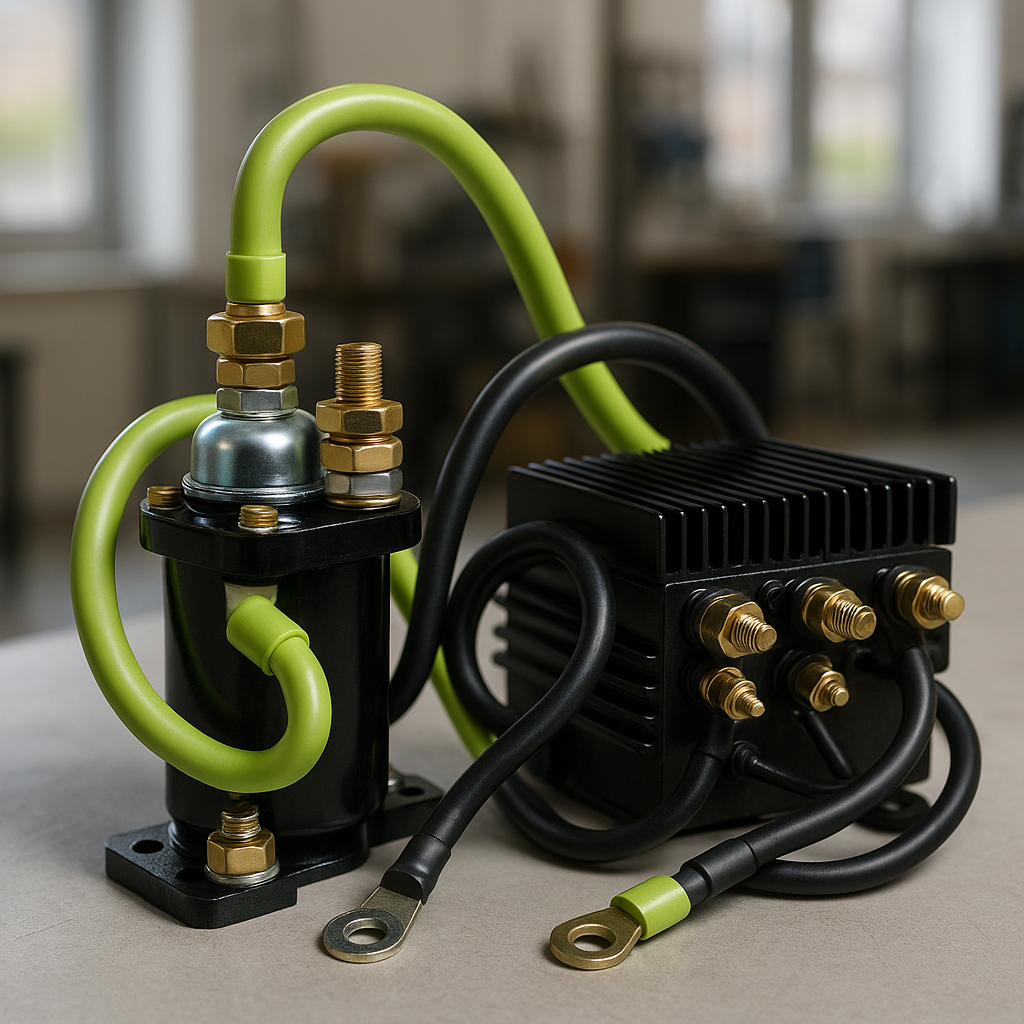
If the pedal assembly, switches, and sensor all check out, the problem may be upstream in the controller or solenoid. A solenoid that clicks when you press the pedal but produces no motor movement points toward the controller or motor. A solenoid that doesn't click at all suggests the signal chain — including the accelerator switch — isn't completing. Many modern controllers log fault codes accessible through a diagnostic port or a sequence of indicator flashes; consult your cart's service manual for how to read them. This step is where a dedicated cart technician or dealer scan tool becomes genuinely useful rather than optional.
When to Replace vs. Repair
Micro switches and throttle cables are inexpensive and straightforward to replace yourself. Throttle position sensors are a moderate DIY job — the key is matching the replacement to your specific controller's input requirements, since not all sensors are interchangeable between systems. If diagnostics point to the controller itself, get a professional opinion before spending money, because controller failure can sometimes be traced back to an underlying short or wiring fault that will kill a new controller just as fast. Fix the root cause first.