A golf cart that used to run all day but now dies halfway through your round isn't always a sign you need new batteries. Premature discharge is one of the most common complaints from cart owners, and more often than not the culprit isn't the batteries themselves — it's something upstream or downstream of them that's robbing capacity or preventing a full charge. Before you spend money on a new pack, work through this diagnostic process systematically.
Start With the Basics: Age and Water Levels
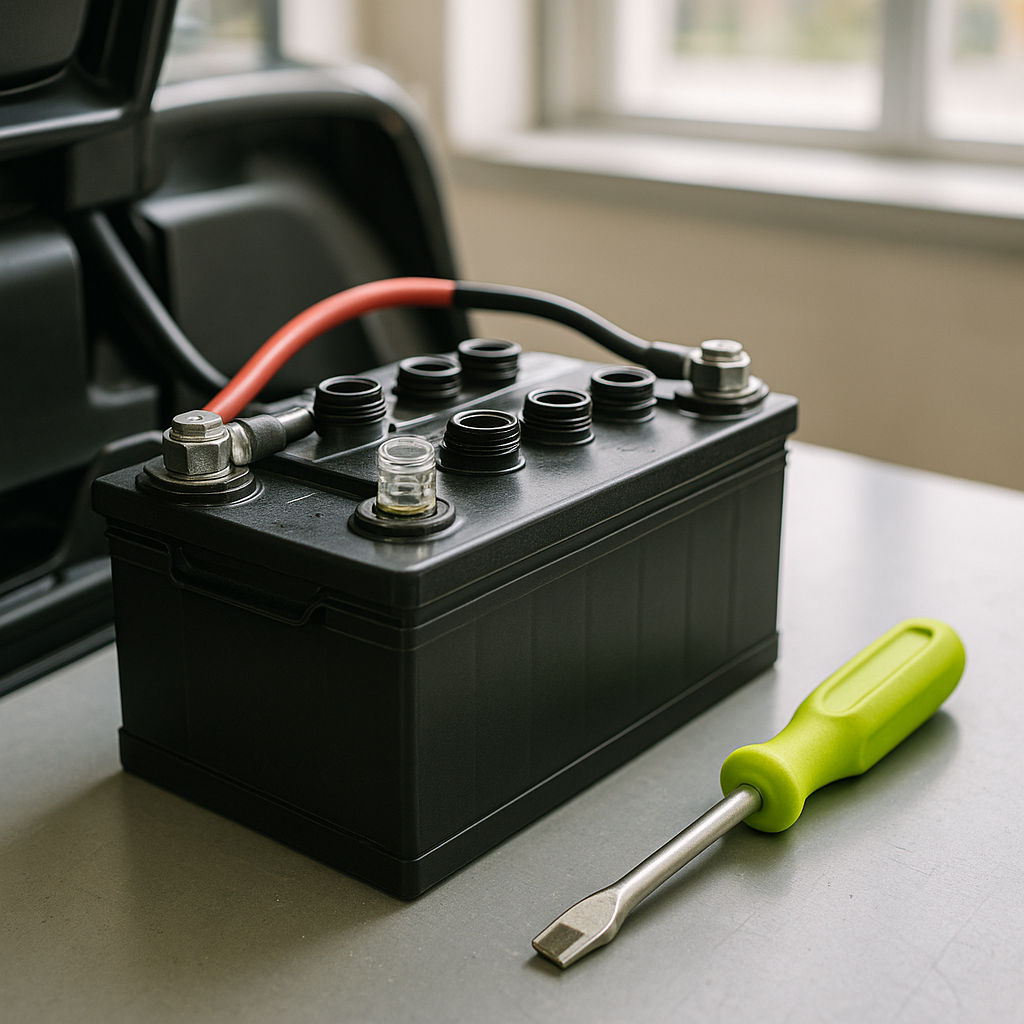
If you have flooded lead-acid batteries, low electrolyte is one of the most common and easily overlooked causes of fast drain. Plates that aren't fully submerged sulfate and lose capacity over time. Check each cell and top off with distilled water only — never tap water — to the manufacturer's fill line. Do this after a full charge, not before. Also take an honest look at battery age. Lead-acid batteries typically have a useful service life of four to six years under normal use. If yours are approaching or past that, reduced capacity is expected, not a defect.
Check the State of Charge Before You Diagnose Anything Else
A battery pack that isn't fully charging will always appear to drain faster than it should. Confirm your charger is actually completing its charge cycle before you draw any conclusions about battery health. Listen and watch: a properly functioning charger should run through its full cycle and shut off automatically when the pack is full. If it's shutting off early, running indefinitely, or never reaching full charge voltage, the problem may be in your charging system, not your batteries. Diagnose the charger first.
Load Test Each Battery Individually
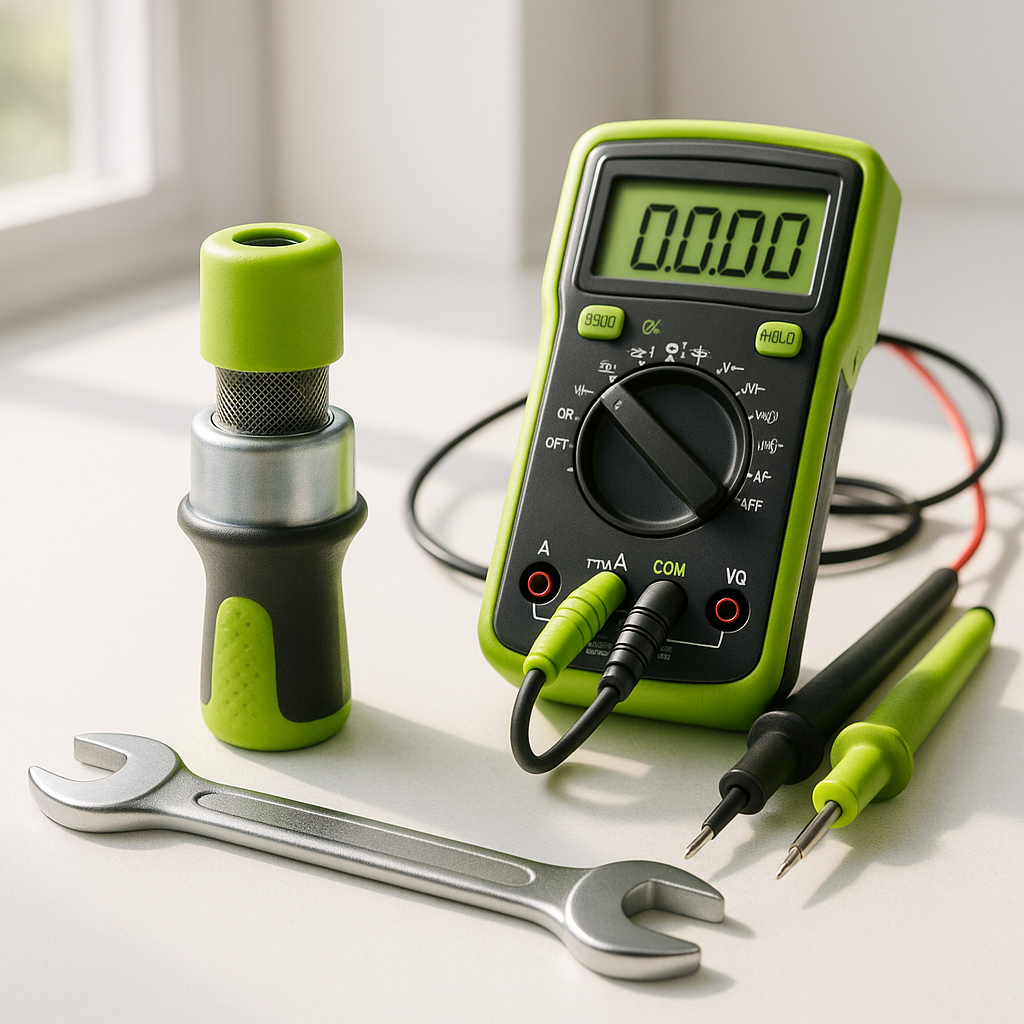
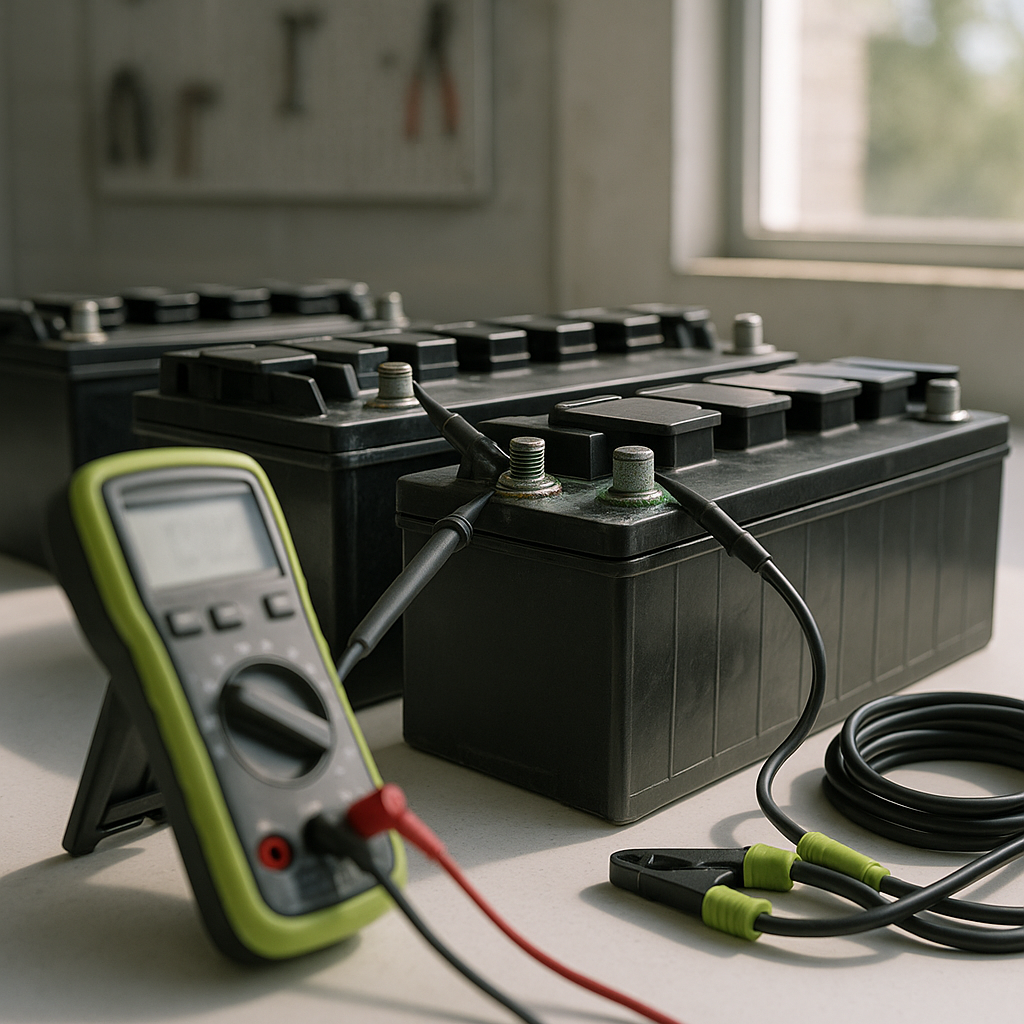
A pack is only as strong as its weakest battery. One bad battery in a series string will drag down the entire pack's performance dramatically. The only way to find it is to test batteries individually under load — a resting voltage check with a simple voltmeter is not sufficient, because a weak battery can show an acceptable resting voltage and collapse under load. Most auto parts stores and golf cart shops can perform a load test. If you own a load tester, test each battery separately and compare results. A battery that drops significantly more than the others under the same load is your culprit.
Inspect Your Battery Cables and Connections
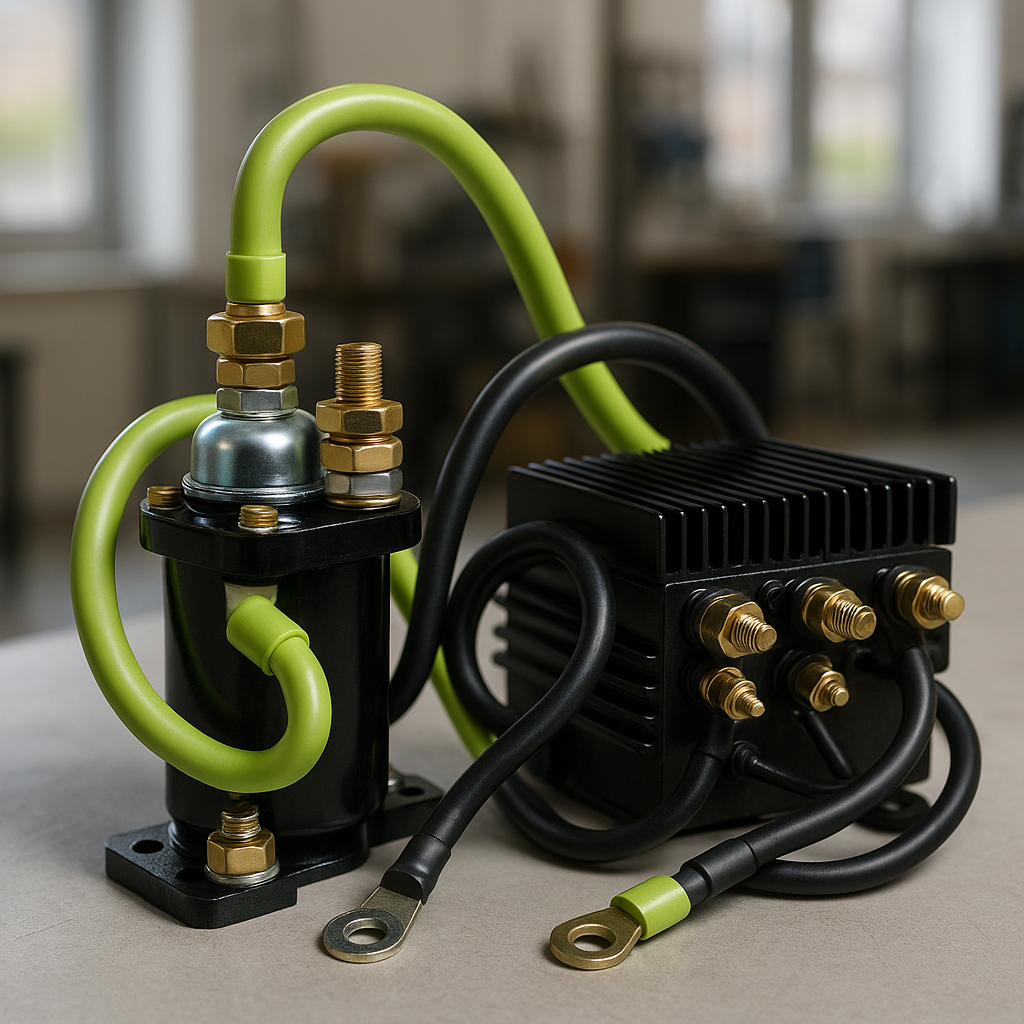
Resistance anywhere in the circuit wastes energy as heat and reduces effective capacity. Check every cable connection at the battery terminals — they should be clean, tight, and free of corrosion. Green or white buildup at the terminals creates resistance that compounds under load. Also look at the cables themselves for damage, cracking, or undersized wire. Cables that are too small for the current draw get hot, waste energy, and can degrade over time. If any cable feels warm to the touch during normal operation, that's a sign of excess resistance that needs to be addressed.
Look for Parasitic Draws
Accessories that draw power when the cart is sitting idle will drain your pack between uses. Lights wired directly to the battery pack, aftermarket stereos, GPS units, and USB outlets are common culprits. To check for a parasitic draw, fully charge your pack and then leave the cart parked for several hours or overnight without use. If the batteries have dropped noticeably without the cart being driven, something is pulling current. Disconnect accessories one at a time to isolate the draw, or use a clamp meter on the main feed wire to check for current flow when the cart is off.
Consider How the Cart Is Being Used
Range is highly dependent on load, terrain, and driving habits. Carrying heavy passengers and cargo, climbing hills frequently, or running at top speed constantly will shorten your range significantly compared to flat, light-load driving. If your cart's range has always been shorter than expected rather than getting progressively worse, it may be a usage and expectation issue rather than a mechanical one. Compare your real-world conditions to what a realistic range for your pack size actually looks like on your specific terrain.
When to Suspect the Batteries Are Genuinely Failing
If your charger completes a full cycle, your cables and connections are clean and tight, there's no parasitic draw, your batteries are being load tested individually and multiple ones are failing under load, and the pack is more than four or five years old — then yes, the batteries themselves are the problem. At that point, the most cost-effective solution is usually replacing the full pack rather than mixing old and new batteries, which will shorten the life of your new cells. Document your findings so you can make an informed decision on what to replace.