Your batteries test fine, your charger is working, but the cart still feels sluggish, hesitates under load, or throws up mysterious electrical issues. Before you start replacing expensive components, check your battery cables. Corroded, loose, or undersized cables are responsible for a surprising number of golf cart performance problems, and they're often the last thing owners think to inspect.
How Battery Cable Problems Show Up
The symptoms of bad battery cables aren't always obvious. You might notice the cart has noticeably less hill-climbing power than it used to. It might surge or hesitate when you press the accelerator. Lights or accessories might dim under load. In more advanced cases, connections get warm or even hot to the touch during use — that heat is wasted energy, and it's a sign resistance in the cable or connection has gotten high enough to be a real problem. If you've ever smelled something like burning plastic near your battery bay, that's a serious warning sign that needs immediate attention.
Start With a Visual Inspection
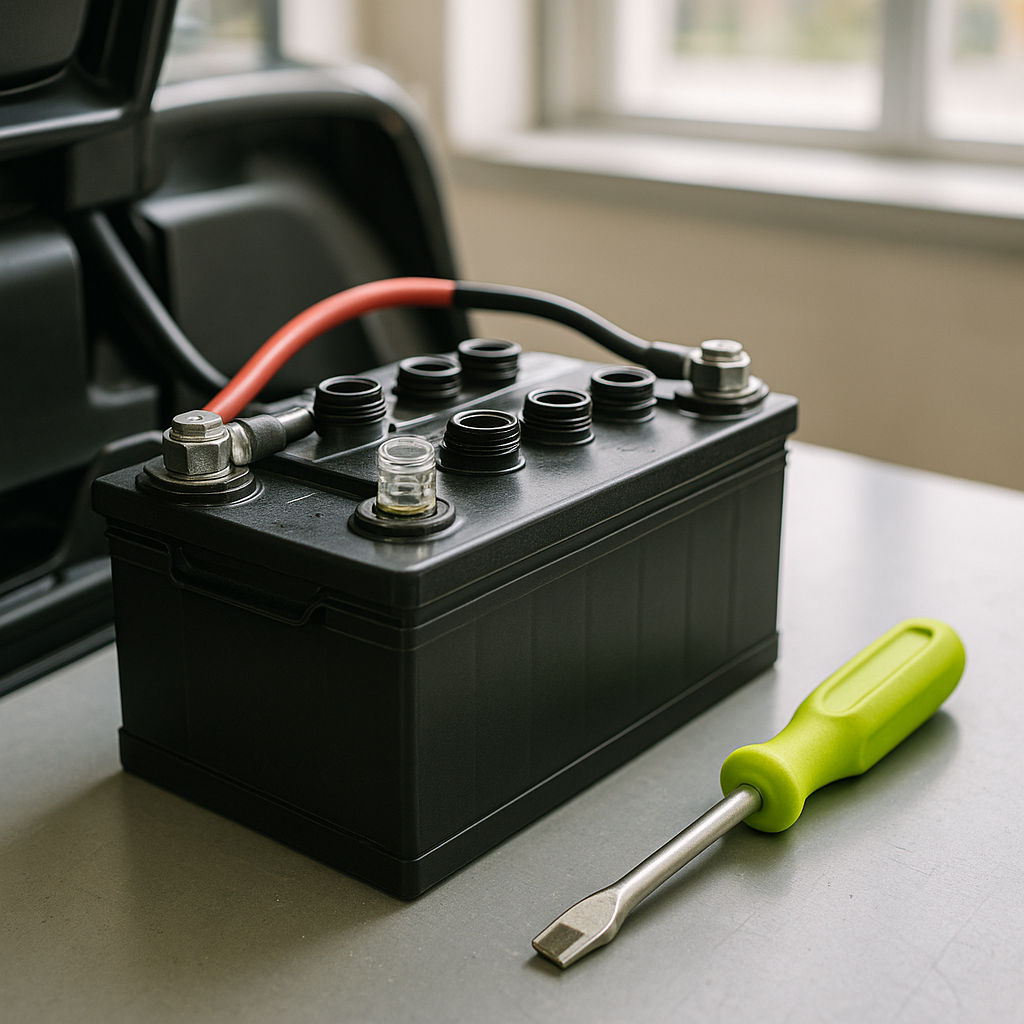
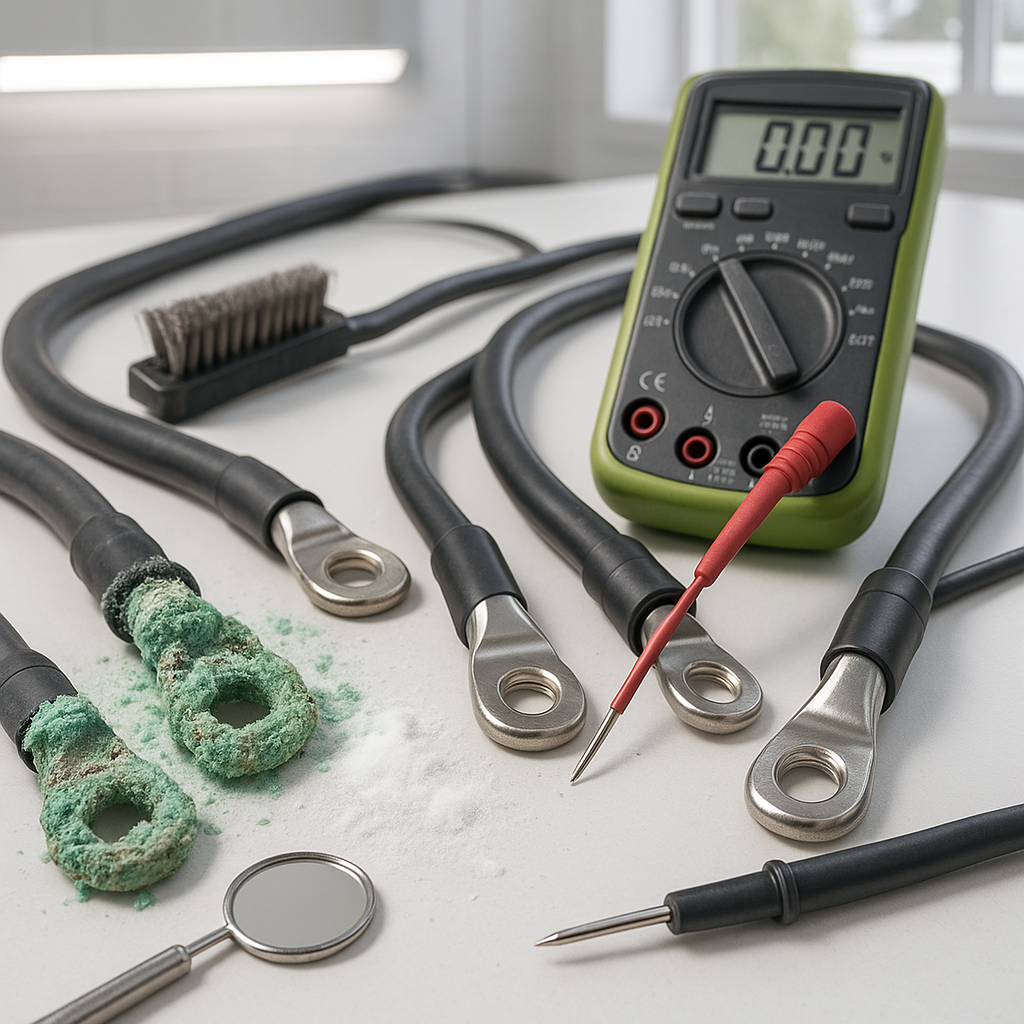
Pop the seat or battery bay cover and take a good look at every cable end and terminal. White, blue, or greenish crusty buildup around the terminals is corrosion — it's a poor conductor and actively increases resistance in the circuit. Even cables that look clean on the outside can have corrosion wicking up under the insulation from the terminal end. Gently flex the cables near the connectors and look for cracking insulation, fraying, or any sections that feel stiff or brittle. Any of these are grounds for replacement, not just cleaning.
Check Every Connection for Tightness
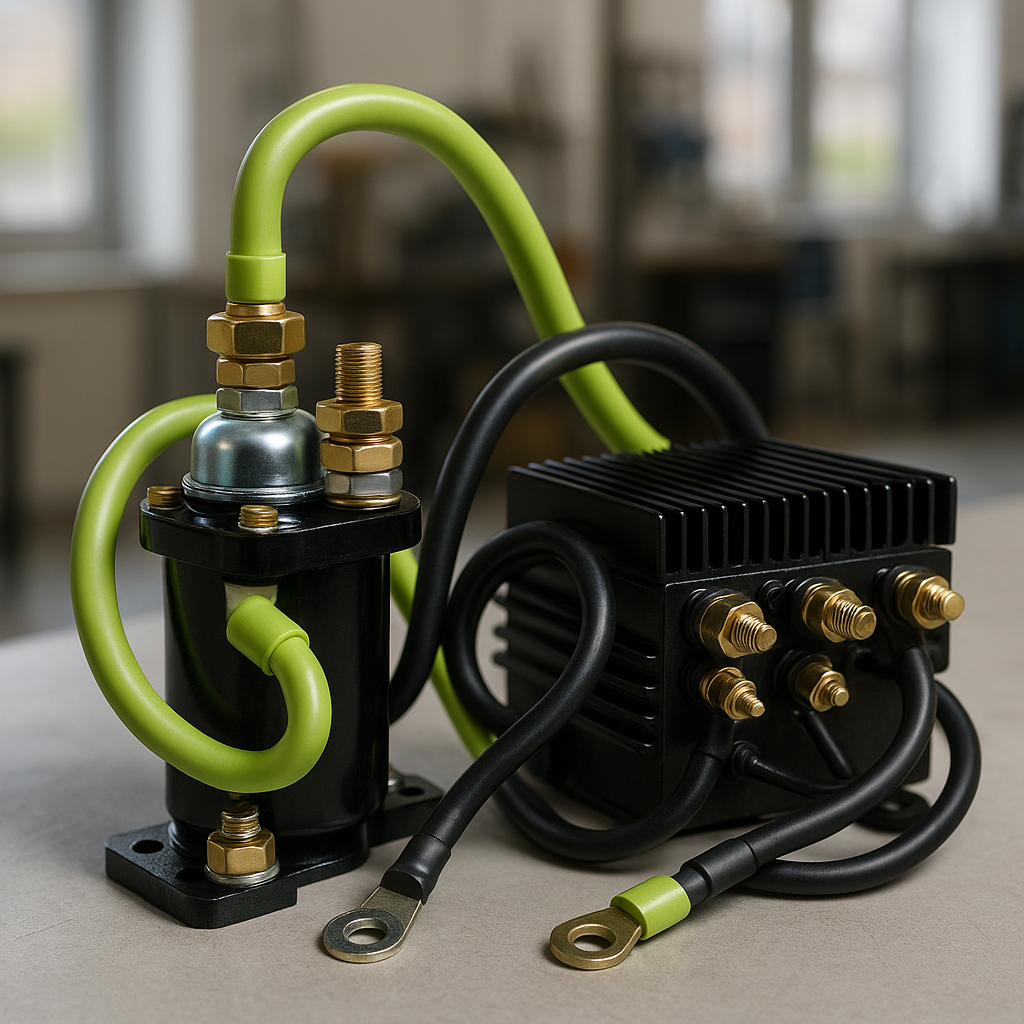
Loose terminals are just as problematic as corroded ones. Wiggle each cable end at the battery post — there should be zero movement. A connection that looks seated but has even a little play can arc intermittently, causing voltage drops under load that are nearly impossible to track down any other way. While you're at it, trace each cable through the cart and check any intermediate connections, including where cables bolt to the motor, controller, and solenoid. Loose hardware anywhere in that path creates the same problem.
Test for Voltage Drop Under Load
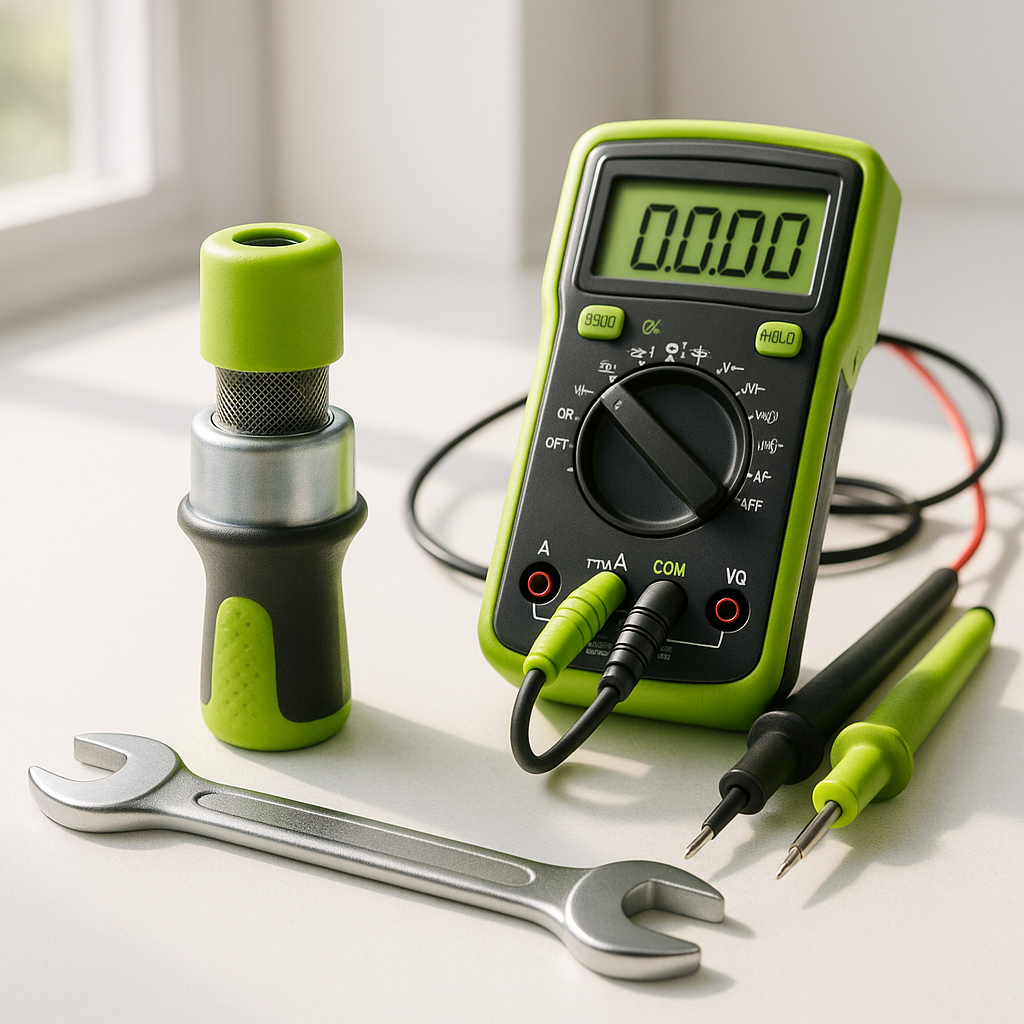
A multimeter is your best diagnostic tool here. With the cart under load — either being driven or with the accelerator depressed — measure the voltage directly across a cable run from one end to the other (not across the battery posts themselves). In a healthy cable, you should see minimal voltage drop. A significant reading across a cable or connection under load tells you that cable or connection is eating voltage that should be going to your motor. This test can pinpoint a bad cable even when everything looks acceptable visually.
Inspect Cable Gauge and Condition Together
Golf carts draw serious amperage, especially under acceleration or on hills. Cables that are undersized for the system, or that have been spliced or repaired with lower-gauge wire, will generate heat and drop voltage even if they're not corroded at all. If your cart has been modified — a higher-voltage conversion, a motor upgrade, or even just years of accumulated DIY repairs — it's worth confirming the main battery cables are appropriate for the load. Thicker gauge means lower resistance and more efficient power delivery.
Clean or Replace?
Light surface corrosion on terminals can often be cleaned with a baking soda and water solution and a wire brush, followed by a corrosion-inhibiting terminal grease or spray. But if the corrosion has penetrated under the cable insulation, if the cable is cracked or brittle anywhere along its length, or if a terminal end is pitted or physically damaged, replacement is the right call. A corroded cable end that looks clean after brushing can still have high internal resistance — cleaning buys time, it doesn't restore a degraded cable to like-new condition.
Don't Overlook the Ground Path
Most diagnostic attention goes to the positive cables, but the ground side of the circuit matters just as much. A single bad ground connection — including where the battery pack grounds to the frame — can cause the same voltage drop and heat problems as a bad positive cable. Inspect every ground terminal and connection with the same scrutiny you'd give the positive side. A complete, low-resistance circuit on both sides is what keeps your cart running the way it should.