A golf cart that used to cover 18 holes on a single charge but now barely makes it through nine is telling you something is wrong — but not always what you'd expect. Premature battery drain has several common causes, and most of them are diagnosable with basic tools before you spend money on new batteries. Work through these checks in order, from the simplest to the more involved, and you'll almost always find the culprit.
Start With the Obvious: Age and Cycle Count
Lead-acid batteries — flooded, AGM, or gel — have a finite number of charge cycles before capacity degrades significantly. If your pack is several years old and has seen heavy use, reduced range may simply be the battery reaching end of life. But don't assume that's the answer until you've ruled out everything else. A single weak or dead cell in one battery can drag down the entire pack and mimic a much bigger problem than you actually have. Age is a factor, not an automatic verdict.
Check Each Battery Individually
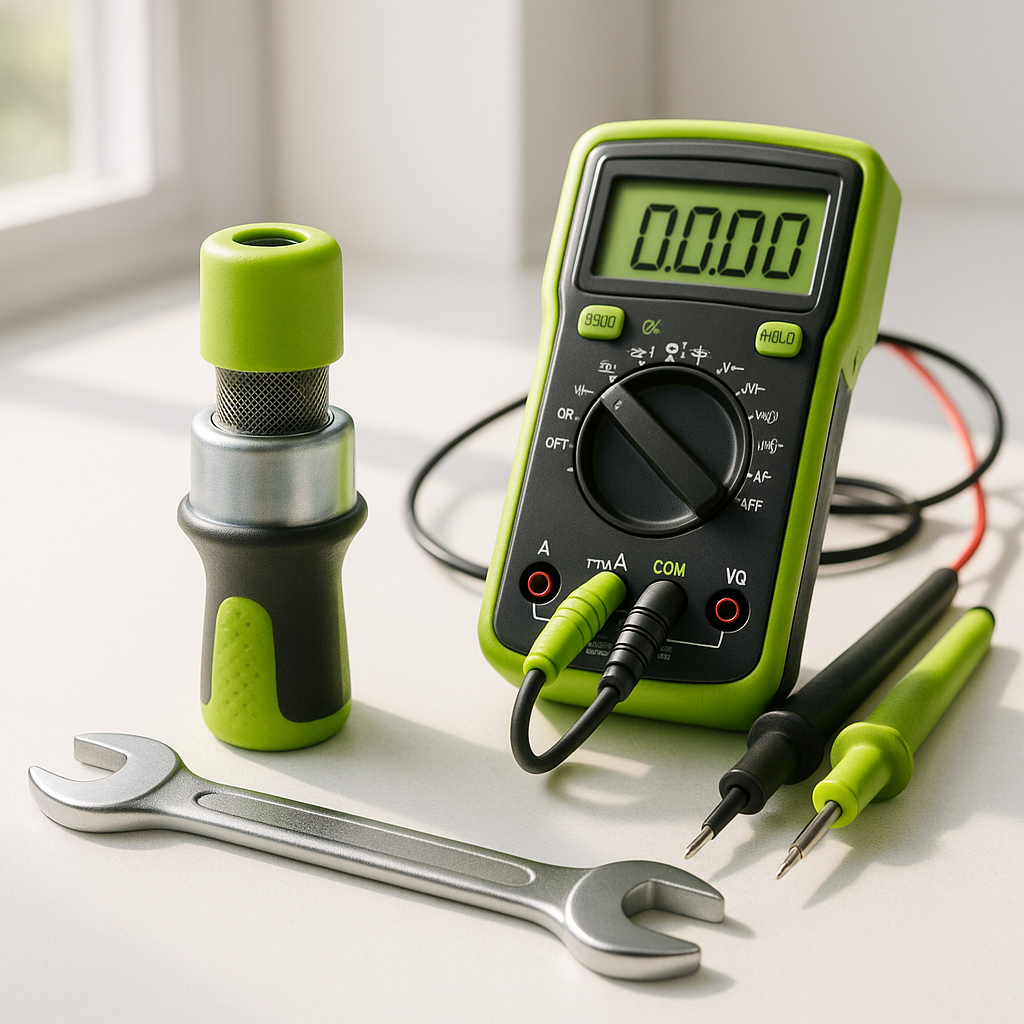
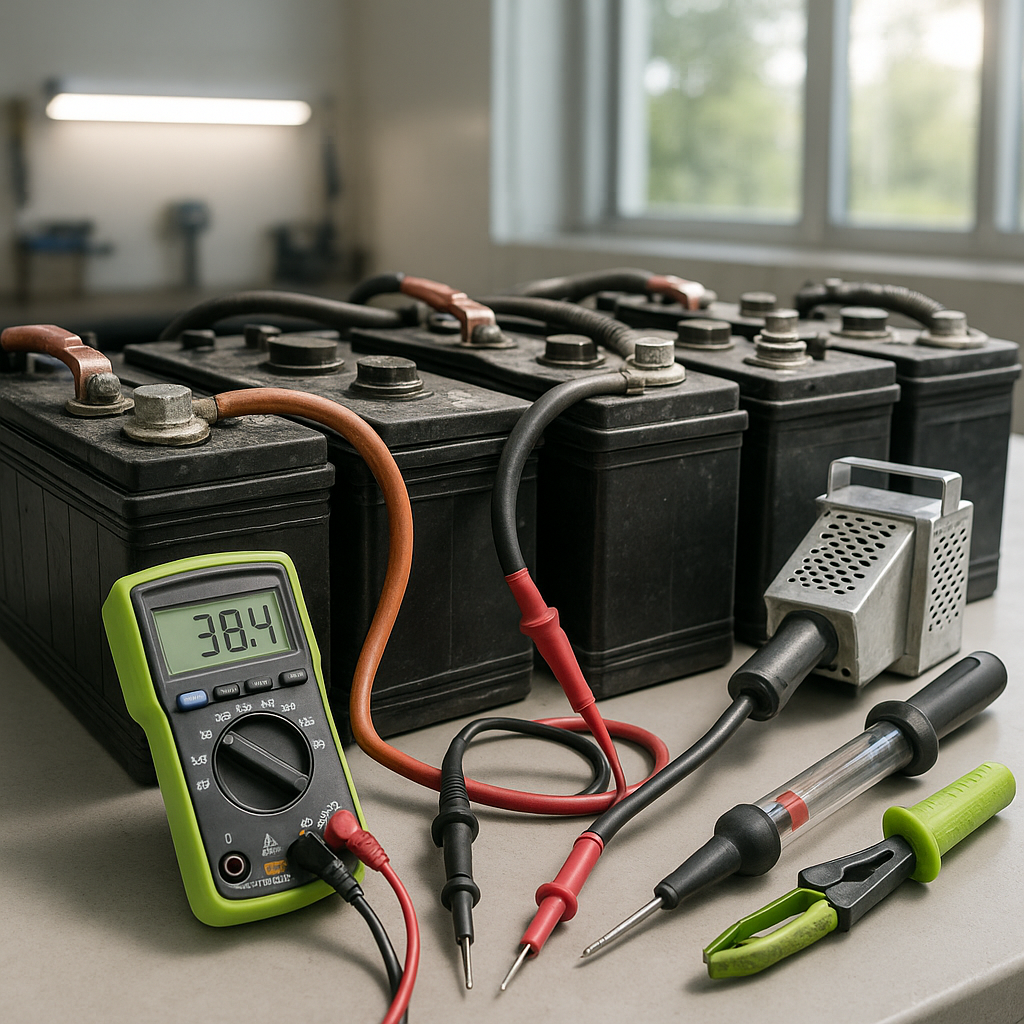
The most important diagnostic step in any battery pack problem is testing batteries individually, not just measuring total pack voltage. A pack can show an acceptable overall voltage while one or two batteries are severely underperforming. Use a load tester or a hydrometer (for flooded batteries) to check each battery under load and compare the readings. A battery that reads low voltage at rest, or drops dramatically under load compared to its neighbors, is the weak link pulling down your range. This single check solves more mystery drain problems than any other step.
Inspect Battery Cables and Connections
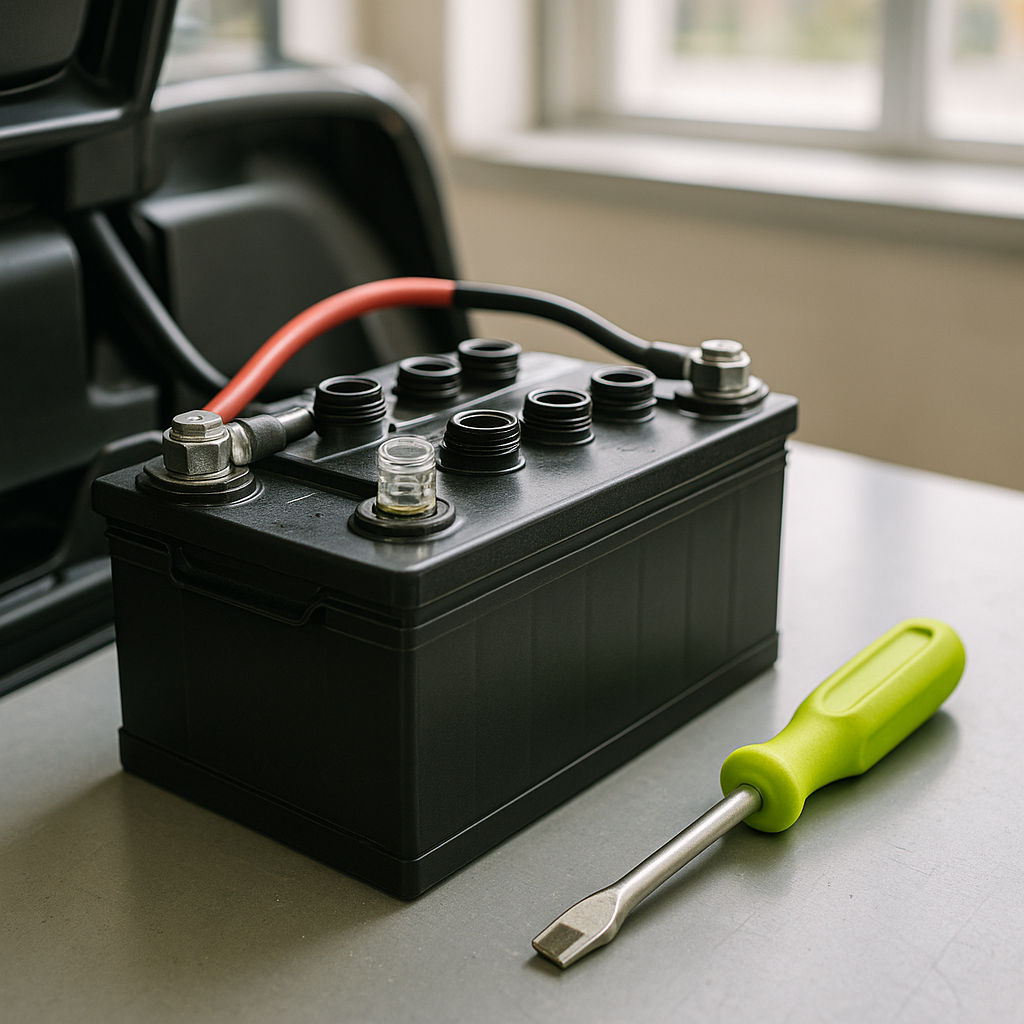
Loose, corroded, or undersized battery cables create resistance in the circuit. Resistance means heat and wasted energy — energy that should be moving your cart is instead being lost at a bad connection. Check every terminal connection in the pack: they should be tight, clean, and free of corrosion buildup. Green or white powdery buildup at a terminal is a sign of corrosion that needs to be cleaned before it gets worse. Also look at the cable gauge — undersized cables for your pack voltage cause the same resistance problem even when the connections look clean.
Look for Parasitic Drain
If your batteries seem fine when you test them individually but the cart still loses charge faster than expected during use, check for accessories drawing power when the cart is parked. Lights, radios, USB ports, and other add-ons wired incorrectly can create a parasitic drain that slowly kills your charge between uses. Disconnect accessories one at a time while monitoring your pack voltage over time to identify any that are drawing current when they shouldn't be.
Evaluate Your Charging Habits and Charger Output
A charger that isn't completing a full charge cycle — whether because it's shutting off early, malfunctioning, or set for the wrong battery type — means you're starting every round with less than a full charge. Many modern chargers have indicator lights or error codes that signal incomplete cycles. If your charger is finishing unusually quickly or not reaching a full shutoff, have it tested or serviced. Also confirm that the charger is matched to your battery pack's voltage and chemistry — charging a lithium pack with a lead-acid charger or vice versa causes both performance loss and safety issues.
Check Water Levels in Flooded Batteries
If you're running flooded lead-acid batteries, low electrolyte levels are one of the fastest ways to destroy capacity and cycle life. Cells that run low on water sulfate quickly and lose the ability to hold a charge. Check each cell with the cart fully charged, and top off with distilled water only — never tap water. If multiple cells are consistently running low, you may have an overcharging issue that's driving off electrolyte, which points back to the charger.
When the Diagnosis Points to One Bad Battery
Finding a single weak battery in a pack is common, but how you handle it matters. Replacing just one battery with a new one while the rest of the pack is aged and worn can cause imbalance — the new battery will be pulled down to the level of the older ones fairly quickly. The ideal fix is replacing the full pack at once, but at minimum, replace batteries in matched sets from the same manufacturer and production run. Document your findings from testing so you can show a shop or supplier exactly what you found rather than guessing at what to order.