A golf cart that won't hold a charge is one of the most frustrating problems an owner can face — and it's also one of the most misdiagnosed. Most people jump straight to "I need new batteries," but the batteries themselves are often not the root cause. Bad cables, a failing charger, a parasitic drain, or even improper charging habits can all mimic a dead battery pack. Work through these checks in order before spending money on replacements.
Start With a Loaded Voltage Test
A resting voltage reading on a battery tells you very little. Batteries can show a healthy open-circuit voltage and still collapse the moment you put a load on them. The test that actually matters is a loaded voltage test — measuring voltage while the cart is under load (ideally while driving or with a battery load tester). If individual batteries drop significantly below the others during use, that battery is the weak link dragging down the whole pack. Because golf cart batteries are wired in series, one weak battery hurts every battery in the chain.
Check Each Battery Individually
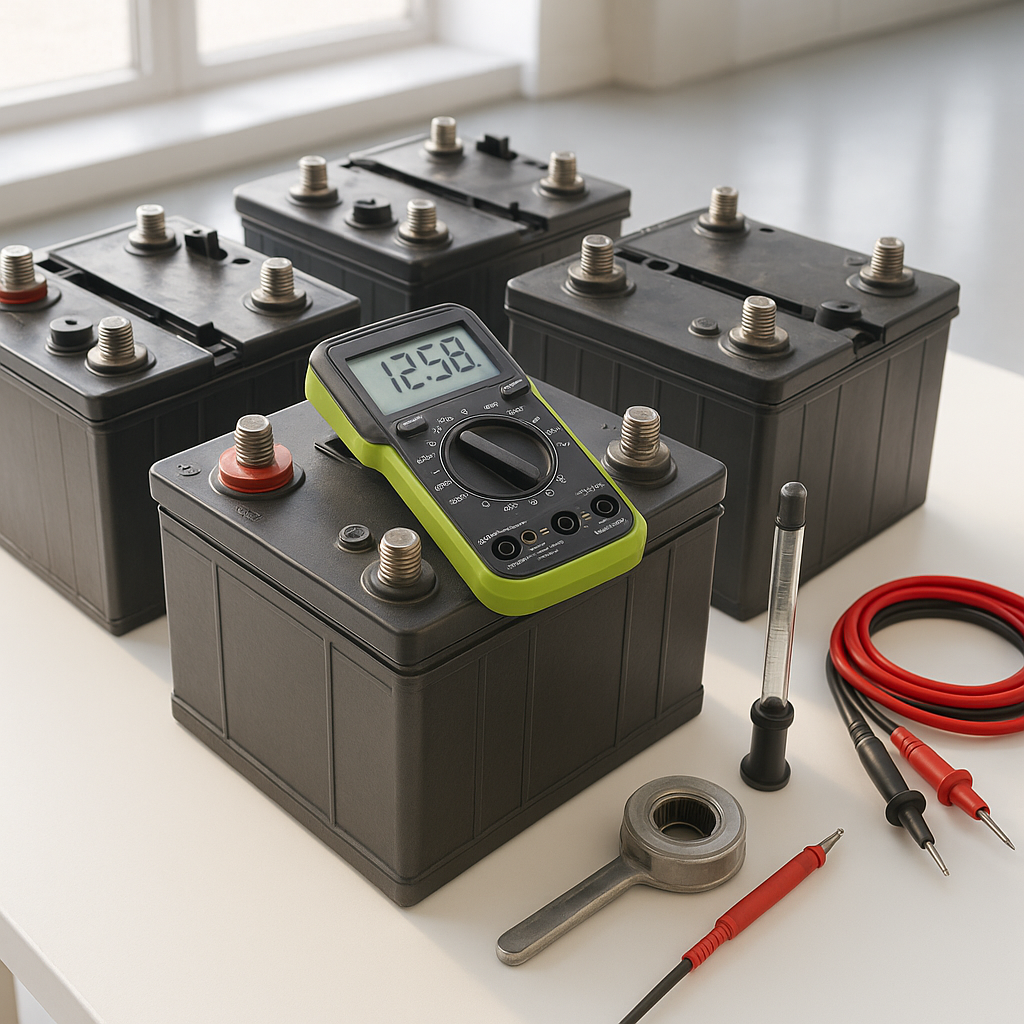
Don't test the pack as a whole and call it done. Disconnect and test each battery individually with a hydrometer (for flooded lead-acid) or a digital load tester. A hydrometer reads the specific gravity of the electrolyte in each cell — significant variation between cells in the same battery, or between batteries in the pack, tells you which one has failed internally. On sealed batteries (AGM or gel), you'll need a load tester since you can't access the cells directly. The goal is to isolate which battery — if any — is actually bad rather than condemning the whole pack.
Inspect the Charging System
A battery that never gets a full charge will behave exactly like a battery that can't hold one. Check that your charger is actually completing a full charge cycle and not cutting off early. Listen for the charger to run its full cycle, and verify the batteries are reaching their proper fully-charged voltage before the charger shuts off. If the charger finishes unusually fast, it may not be delivering a true full charge. Also check the charger's output connector and the cart's charge port — a loose or corroded connection here causes incomplete charging that compounds over time and damages batteries through repeated partial cycles.
Look for a Parasitic Drain
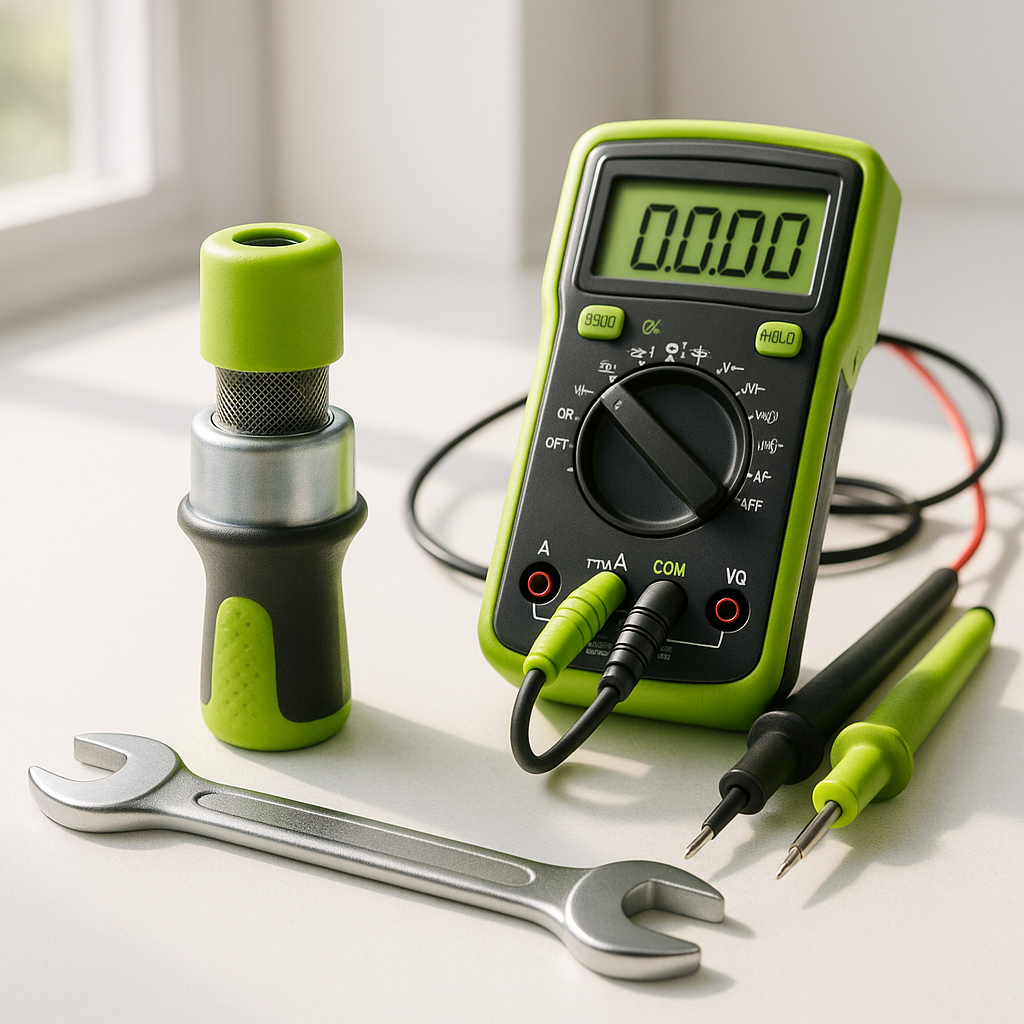
If the cart sits overnight and the batteries are noticeably lower in the morning without being used, something is drawing power when it shouldn't be. Accessories like radios, lights, GPS units, or USB chargers that are wired directly to the battery pack without a switched circuit can drain a pack overnight. Disconnect any aftermarket accessories and see if the self-discharge rate improves. A simple multimeter set to measure current can help you find a parasitic draw — disconnect one battery cable and put the meter in series to see if current is flowing when everything should be off.
Examine Your Battery Cables and Terminals
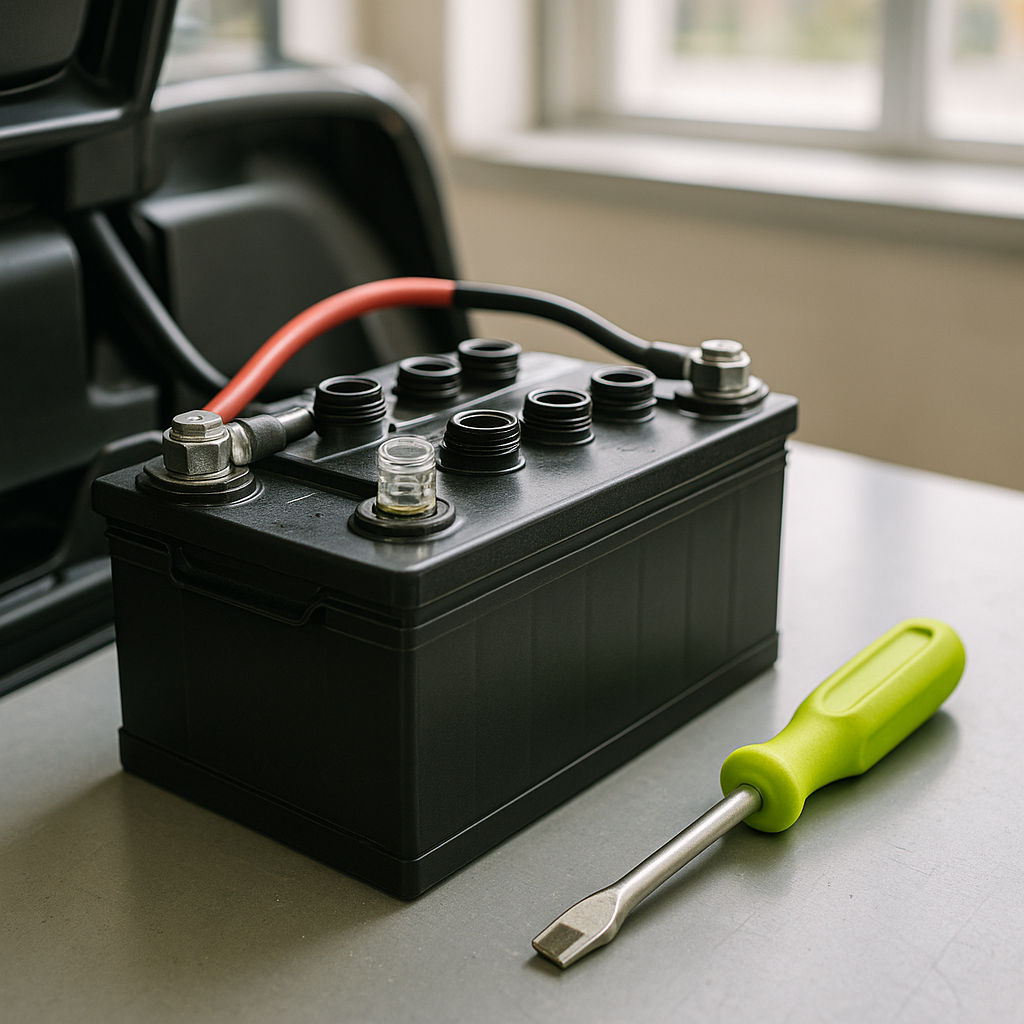
High resistance in the cable circuit causes the pack to work harder than it should, generating heat and shortening battery life. Even if your cables look fine visually, corrosion under the terminal insulation or inside the cable end itself creates resistance you can't see. Warm or hot cable ends after a ride are a red flag. Check that all terminal connections are clean and tight — a loose terminal creates an intermittent connection that's hard to catch but causes real damage over time. This is especially worth checking on any cable that has been disturbed recently for any reason.
Consider Sulfation If the Pack Is Older
On flooded lead-acid batteries, chronic undercharging leads to sulfation — a buildup of lead sulfate crystals on the battery plates that reduces capacity and eventually kills the battery. Sulfated batteries are often the real culprit when a pack "doesn't hold a charge" anymore. Mild sulfation can sometimes be partially reversed with a slow equalization charge (if your charger supports it), but severe sulfation is permanent. If your batteries are more than four or five years old and have been regularly undercharged or left in a discharged state, sulfation is the most likely diagnosis and replacement is probably the honest answer.
When Replacement Is Actually the Right Call
If you've confirmed each battery tests weak under load, the charger is working correctly, cables and connections are solid, and there's no parasitic drain, then yes — the batteries need to be replaced. When you do replace them, replace the entire pack at once. Mixing new batteries with old ones means the new batteries will be dragged down to the level of the weakest old cell within a few cycles. Take the time to also replace any cables that show corrosion, cracking, or heat damage at the same time — new batteries deserve a clean, low-resistance circuit to work in.