A golf cart that used to run all day but now quits halfway through a round has a problem worth tracking down carefully — because the fix could be a single bad cable connection or it could be a full battery bank replacement. The difference in cost and effort is massive, so before you spend money, you want to actually diagnose what's failing. This guide walks you through the most common causes of a battery pack that won't hold a charge, from the easiest checks to the more involved ones.
Start With a Full, Proper Charge Cycle
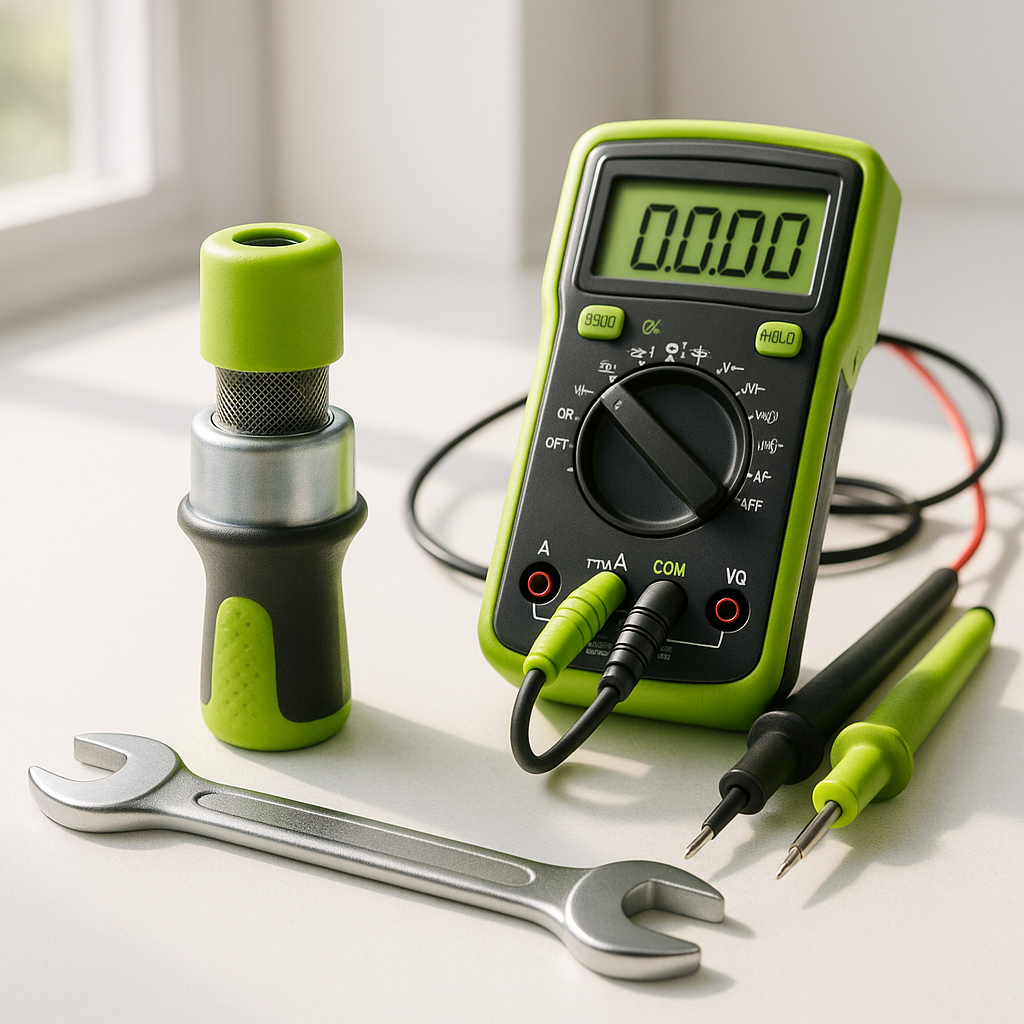
Before anything else, make sure the battery pack has received a complete charge from a functioning charger. A charger that's cutting off early, a bad connection at the charge port, or a tripped reset inside the charger can all make the pack seem like it has low capacity when it actually just hasn't been properly charged. Plug in, confirm the charger runs through its full cycle and shuts off on its own, and then check the voltage across the full pack with a multimeter. A fully charged pack should read noticeably above its rated voltage — if it's reading at or below rated voltage right after a full charge, the pack isn't accepting charge the way it should.
Check Each Battery Individually
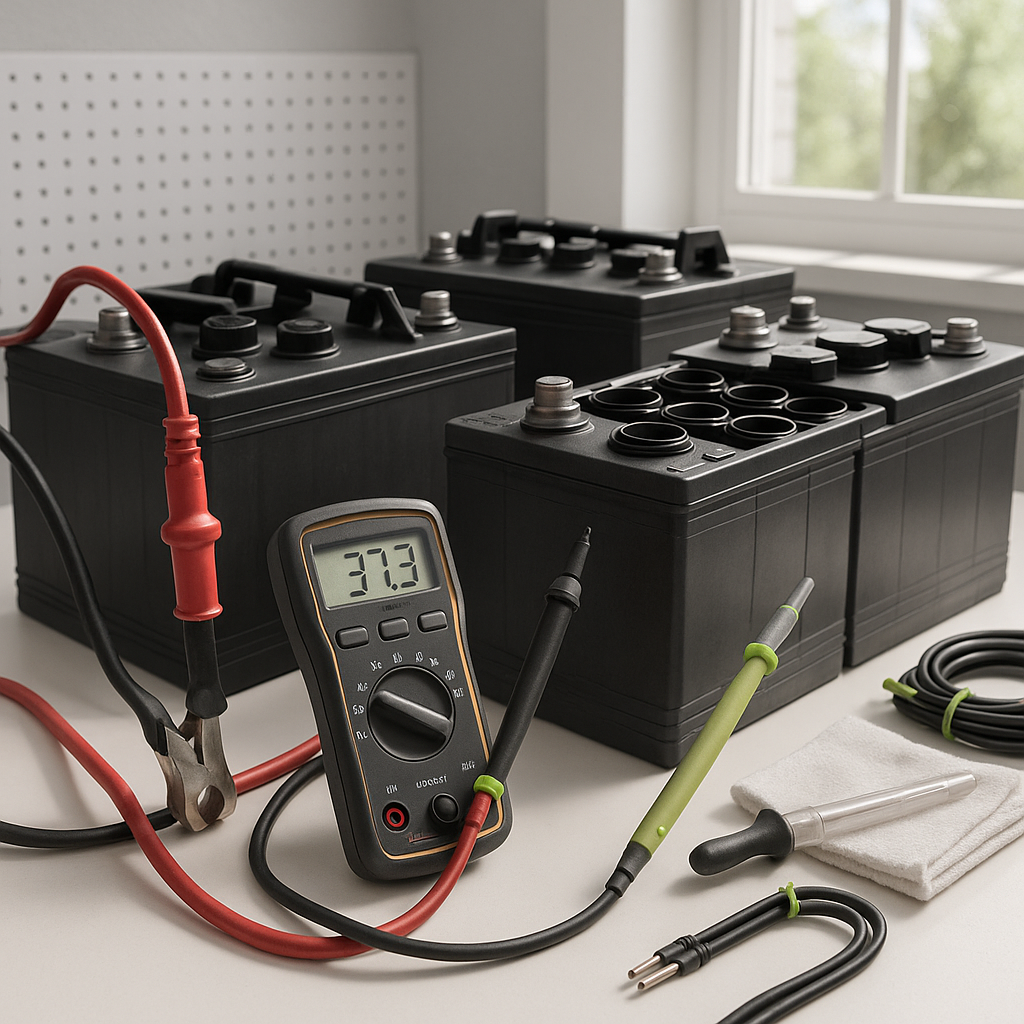
The most important diagnostic step with a flooded lead-acid or AGM pack is testing each individual battery rather than just the overall pack. One weak or dead cell in a single battery will drag down every other battery in the series string. A battery that reads significantly lower voltage than the rest — or that drops sharply in voltage the moment you put any load on it — is the culprit. A load tester or a hydrometer (for flooded batteries with accessible caps) makes this much more reliable than voltage-at-rest alone. Specific gravity testing on each cell of a flooded battery is one of the most accurate ways to identify a failing cell before it kills the whole pack.
Inspect Water Levels in Flooded Batteries
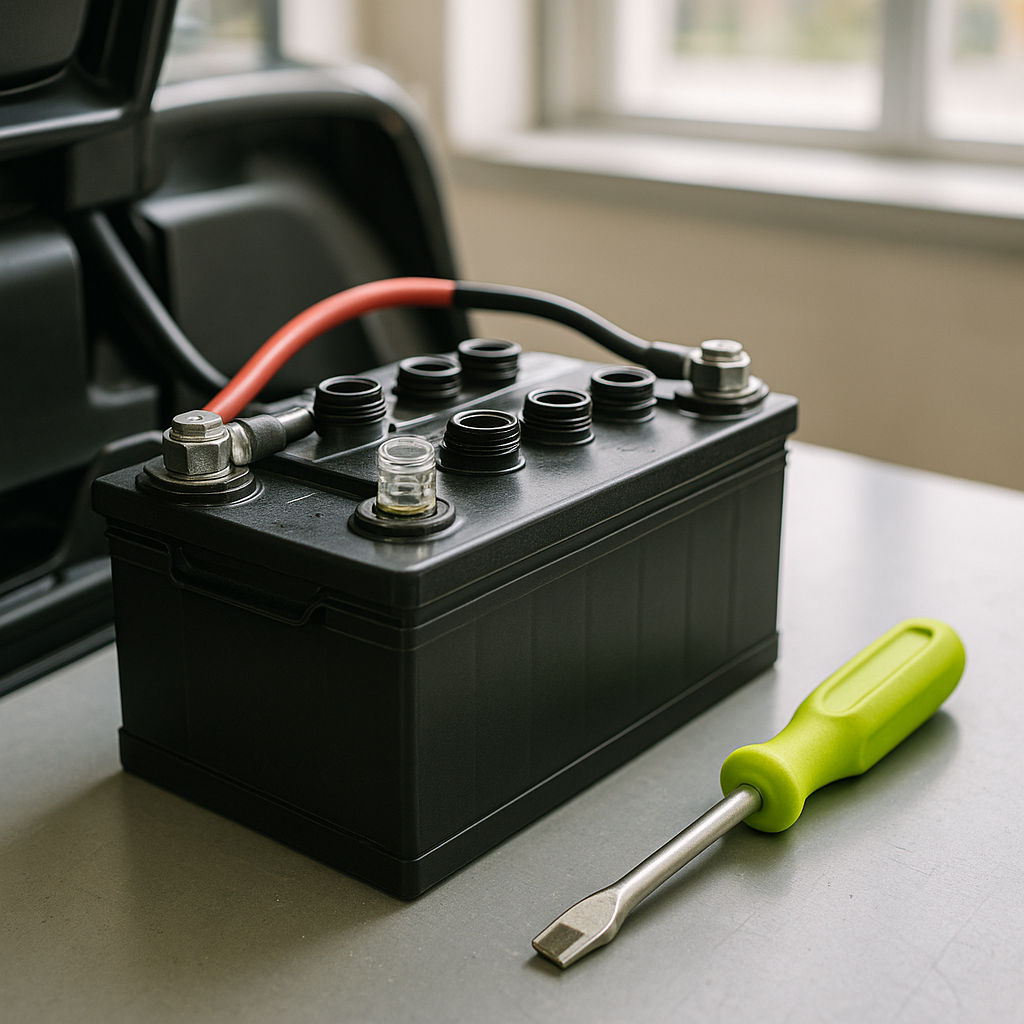
If you're running flooded lead-acid batteries and haven't been adding distilled water regularly, low water levels can cause permanent plate damage that destroys capacity. Open the caps and look at every cell. Plates that are exposed to air sulfate quickly and can't be recovered. If water levels are consistently low, fill to the correct level with distilled water, do a few charge cycles, and retest. This won't reverse damage that's already done, but it will stop the problem from getting worse and sometimes reveals which batteries are the most compromised.
Look at Your Battery Cables and Connections
High-resistance connections caused by corrosion, loose terminals, or undersized cable are a surprisingly common cause of what feels like low battery capacity. A corroded connection doesn't just cause slow acceleration — it causes excessive heat and voltage drop under load, which shortens charge cycles dramatically. With the cart off and the pack discharged to a safe level, inspect every terminal connection in the bank. Corrosion should be cleaned thoroughly. Terminals that are loose, cracked, or have cable ends that are oxidized all the way into the crimp should be replaced. A good cable with a solid connection transfers power efficiently; a marginal one wastes it as heat.
Consider Battery Age and Cycle Count
Lead-acid batteries — flooded or AGM — have a finite number of charge-discharge cycles before capacity degrades significantly. If your pack is more than four or five years old and has been used regularly, reduced capacity may simply be the end of the battery's service life. There's no fix for that. Lithium packs typically last longer and hold capacity more consistently over time, but they're a bigger upfront investment. If your batteries test as fully charged but the cart just doesn't run as long as it once did, and the cables and charger check out fine, age and accumulated cycling is the most likely explanation.
Rule Out a Parasitic Drain
Some carts have accessories — lights, radios, USB ports, or GPS units — that draw current even when the cart is parked and the key is off. If your pack is consistently lower than expected after sitting overnight or over a weekend, measure current draw with the key off. Any meaningful draw points to an accessory or wiring fault that's slowly discharging the pack between uses. This kind of slow drain is also hard on batteries because it allows them to sit in a partially discharged state, which accelerates sulfation in lead-acid chemistry.
When to Replace vs. When to Keep Diagnosing
If one battery in the pack tests significantly weaker than the others, replacing just that battery is tempting — and sometimes it makes sense if the pack is relatively new. But if the pack is old and several batteries are marginal, replacing a single bad one and running it with worn batteries often means you'll be replacing individual batteries one at a time, which gets expensive fast. Most experienced golf cart owners recommend replacing the entire pack at once when multiple batteries are at or near the end of their life. It's more cost-effective and you avoid chasing new failures constantly. Document your test results per battery before you make that call — the data will tell you whether it's a single failure or a pack that's generally worn out.