Brake noise on a golf cart is one of those problems that's easy to ignore but never smart to. Unlike a car where you might go weeks between drives, golf carts often sit for extended periods, get used on hilly terrain, and are stored outdoors — all conditions that accelerate brake wear and corrosion. The good news is that most brake noises fall into a handful of recognizable patterns, and each one points to a different root cause. Working through them systematically saves you from replacing parts you don't need.
Squealing or High-Pitched Squeak
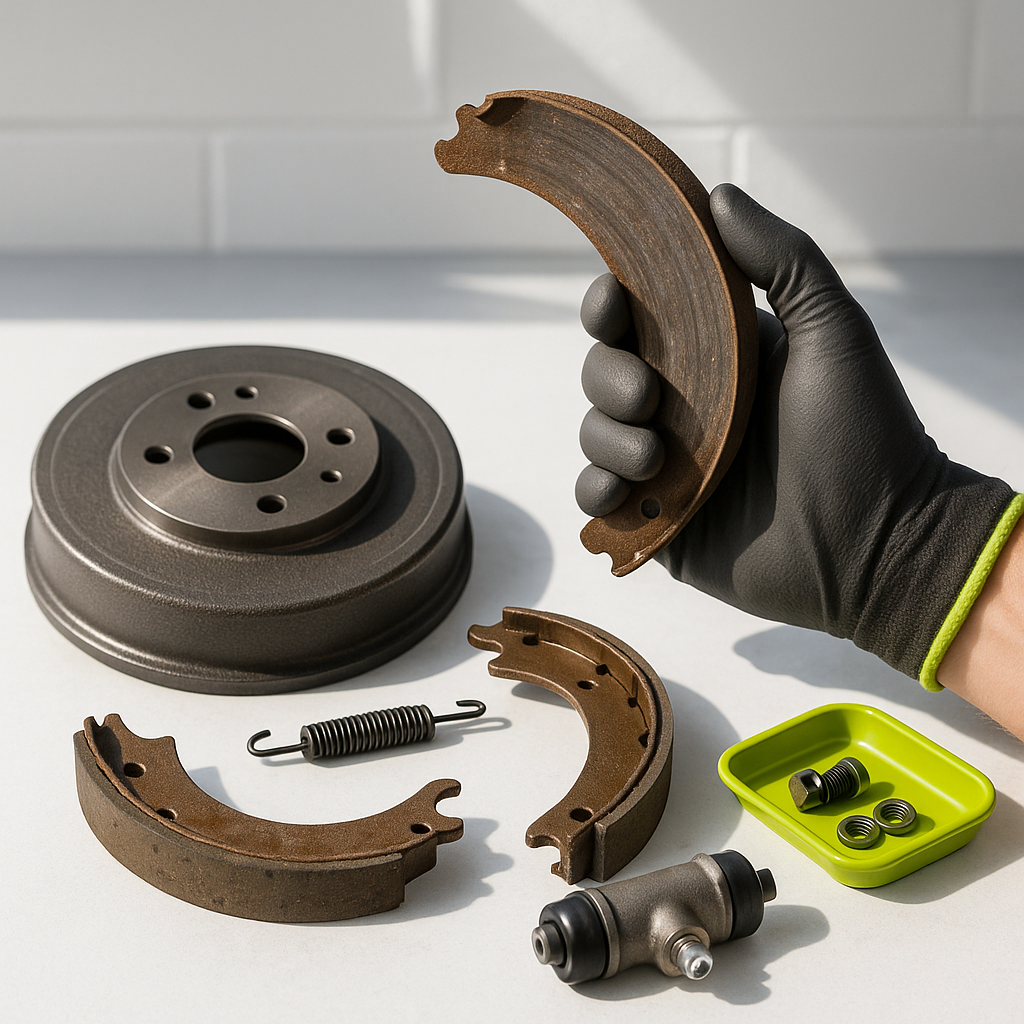
A consistent squeal — especially when you first apply the brakes or when the cart is moving at low speed — is almost always related to the friction material on your brake shoes or pads. On drum brake systems, which are the most common setup on golf carts, brake shoes can glaze over time. Glazing happens when the surface of the friction material gets hardened and smooth, usually from heat or from the brakes being applied too lightly over a long period. Glazed shoes make less effective contact with the drum and often squeal in the process. Light surface rust on the drum — very common after the cart sits unused for a few days in humid conditions — can also cause a brief squeal that clears up after a few stops. If the squeal disappears quickly and braking feels normal, surface rust is likely the culprit. If it persists every time you brake, suspect glazed shoes or contaminated friction material.
Grinding or Scraping Sound
A grinding noise is more urgent than a squeal. In most cases, grinding means metal-on-metal contact — either the brake shoes have worn down past their friction material, or debris has gotten inside the drum. On golf carts, the latter is surprisingly common. Sand, small rocks, and dried grass can work their way inside the brake drum housing, especially if you're driving on unpaved paths or gravel. That debris gets caught between the shoe and the drum surface and produces a grinding or scraping sound that can sound alarming even when the shoes themselves still have life left. Pull the wheel and drum and inspect the interior before assuming you need new shoes. If the drum interior is clean and you're still hearing metal-on-metal grinding, measure what's left of your shoe friction material. Worn-down shoes left too long will score the inside of the drum itself, which then requires drum replacement on top of shoe replacement.
Clicking or Popping Sound
A clicking noise from the brakes — particularly when you first press the pedal or when the cart is moving slowly — often points to a mechanical issue rather than the friction material itself. Brake return springs that have weakened or lost tension can allow the shoe to shift slightly and snap back, producing a click. A loose or worn brake adjuster hardware can rattle inside the drum. On rear drum setups, if the axle key or hub hardware is loose, you may hear a knock or click that seems brake-related but is actually coming from the hub assembly. To distinguish: if the click happens only when you press the brake, focus on the shoe hardware and springs. If it happens during movement regardless of braking, check the hub and axle hardware first.
Noise Only on One Side
When the noise is clearly coming from one wheel and not the other, that narrows your diagnosis considerably. Single-side noise often means uneven shoe wear between the two rear wheels, a seized or sticking wheel cylinder on one side (on hydraulic systems), or a cable tension problem on the side that's dragging. If you have a cable-actuated drum system — which most golf carts do — a cable that's fraying, kinked, or has a seized conduit can cause one side to apply more braking force than the other. That uneven pressure accelerates wear on one shoe faster than its partner and often produces a drag-and-squeal combination. Check cable condition and tension at both rear wheels before assuming the shoe or drum is the primary problem.
Noise After Sitting Unused
If your cart makes a loud scraping or grinding sound for the first few feet after sitting for several days or longer, that's almost always surface oxidation — light rust that forms on the drum face when the cart isn't moved regularly. This is normal behavior and typically clears up within the first few brake applications. The rust layer is thin enough that the brake shoes remove it quickly. You don't need to do anything unless the noise persists beyond the first few stops. If it does persist, inspect the drum surface for deep pitting or corrosion that goes beyond the surface layer, which would indicate the drum needs replacement.
When to Inspect vs. When to Replace
Not every brake noise means something needs replacing. Surface rust, light glazing, and debris contamination can often be resolved through cleaning, light abrasion of the shoe surface, and reassembly. But some conditions require new parts: friction material worn to minimum thickness, drums that are scored or out of round, brake springs that no longer hold tension, or cables that are frayed or kinked. When you do inspect the brakes, check both sides of the axle at the same time even if only one side is making noise — brake components wear in pairs, and if one side is borderline, the other usually isn't far behind. Replace shoes or pads in axle sets, not one side at a time, to keep braking balanced.
The bottom line: brake noise is your cart asking for attention, and the specific sound gives you a real starting point. A squeal usually means friction material issues, a grind means wear or debris, a click usually means hardware. Work through the checks in order before buying parts, and don't put this off — brake problems on a cart that gets used on hills or around other people aren't something to defer maintenance on.