A golf cart brake pedal that feels soft, spongy, or travels all the way to the floorboard before slowing you down is more than an annoyance — it's a sign something in your braking system needs attention right now. Unlike a car with hydraulic brakes, most golf carts use mechanical cable-actuated drum brakes, which means the causes of a weak pedal are different from what you'd diagnose on a street vehicle. The good news is that with a systematic approach, most of the common causes are easy to identify without special tools.
Understand What's Normal First
Before you start chasing a problem, know your baseline. A properly adjusted golf cart brake pedal should have only moderate travel before you feel firm resistance and braking force. It should feel consistent — the same engagement point every time. If the pedal used to feel firm and now feels soft, or if it slowly sinks further toward the floor over time without the cart stopping as decisively, something has changed. That change is your diagnostic starting point.
Check Brake Cable Adjustment and Condition
Cable stretch and slack are the most common reasons a golf cart brake pedal feels mushy or requires extra travel. Brake cables naturally stretch with use, and when they do, the pedal has to travel further before it actually pulls the brake shoes into contact with the drum. Start at the cable adjustment points — most golf carts have an adjuster at the equalizer bar, at the wheel assembly, or both. Look for excessive slack in the cable when the pedal is at rest. Also inspect the full length of the cable for fraying, kinking, or corrosion, especially where it runs through guides or makes a bend. A cable that's corroded or kinked internally may not transmit full force even if the adjustment looks correct from the outside.
Inspect the Brake Shoes and Drums
Worn brake shoes are another frequent culprit. Golf cart drum brakes rely on friction material pressed against the inside of a drum, and when that lining wears thin, the shoes have to travel further before making meaningful contact. Remove the drum if you're comfortable doing so and visually inspect the lining thickness. Glazed or hardened lining — which can happen from heat or oil contamination — will also reduce stopping power even when thickness looks adequate. While the drum is off, check the drum itself for deep scoring or an out-of-round condition. A grooved drum won't allow full contact with the shoe, resulting in reduced braking force and a softer-feeling pedal.
Look at the Mechanical Linkage and Hardware
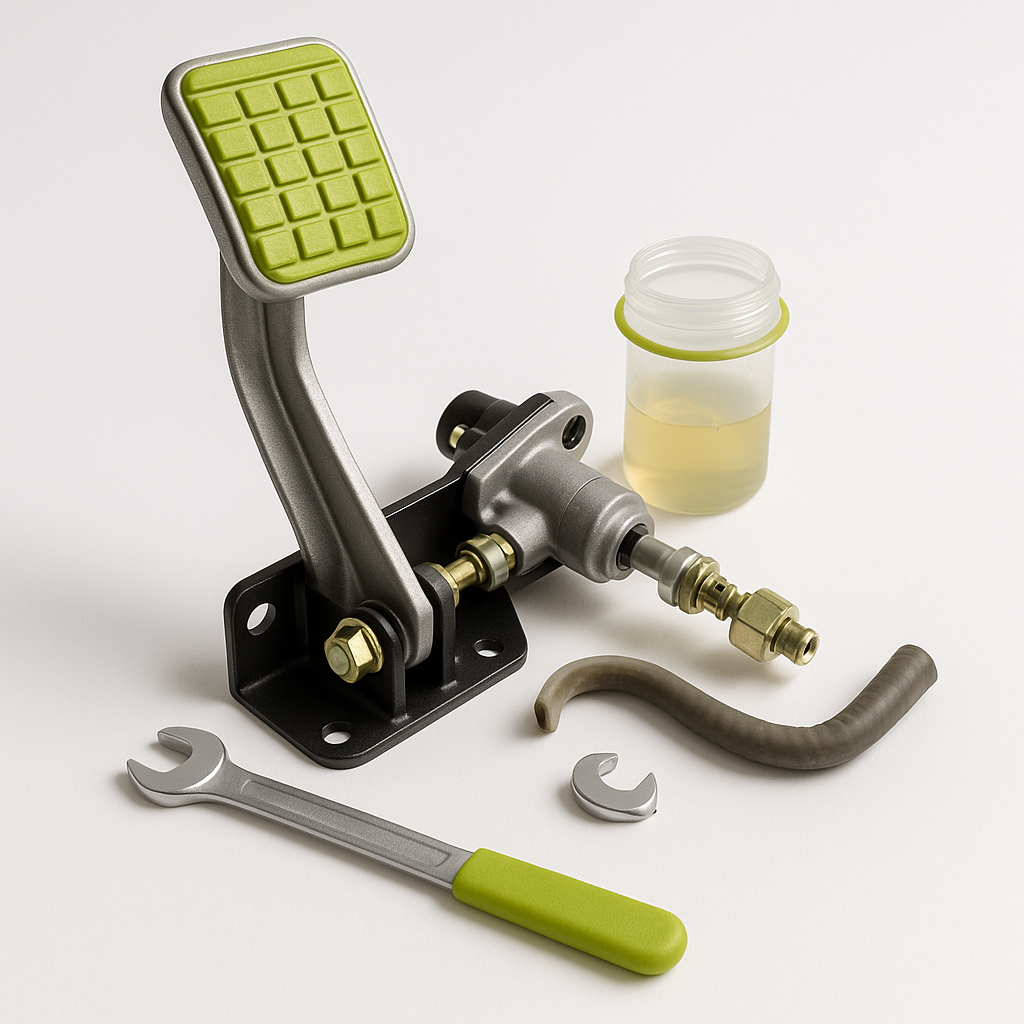
Between your foot and the drum sits a chain of mechanical components — pedal pivot, equalizer bar, cable guides, and brake actuator hardware at the wheel. Any worn pivot point, loose fastener, or bent component introduces slop into the system that shows up as extra pedal travel before engagement. Check each pivot for wear or looseness. Make sure the equalizer bar moves freely and returns to the rest position cleanly when you release the pedal. A return spring that's weak or broken can cause the shoes to drag slightly and wear unevenly, which eventually shows up as inconsistent pedal feel.
Check for Contamination at the Drum
Oil or grease on the braking surfaces will dramatically reduce friction and make stopping feel vague and unpredictable. Common contamination sources include a leaking axle seal, over-greased wheel bearings, or chain lube that migrated toward the brake assembly. If you see any oily residue inside the drum or on the shoes, cleaning alone won't fix it — you'll need to replace the shoes and address the source of the contamination before reassembling, or the problem will return quickly.
Test After Each Adjustment
Once you've identified and addressed the likely cause, adjust your brake cables to the manufacturer's spec for your cart model — typically a small amount of play at the pedal before engagement, then firm, progressive stopping force through the rest of the travel. Test at low speed in a controlled area before returning the cart to normal use. If the pedal still feels soft after addressing the obvious mechanical issues, consider whether the drum or shoes need replacement rather than just adjustment. Parts that are worn past their serviceable limits won't respond to adjustment alone.
When to Stop DIY Diagnosing
If you've checked all of the above and still can't identify the cause, or if the pedal fades or softens during repeated braking, take the cart to a qualified technician. Brakes aren't the place to guess. A cart that won't stop reliably is a hazard to you, passengers, and anyone else on the course or property. Replacement brake cables, shoes, and drums are inexpensive parts — don't let a small part cost become a reason to put off a repair that affects safety.