A charger that quits before the job is done is one of the more frustrating battery problems to track down — because from the outside, it looks like everything is working. The charger kicks on, runs for a while, then shuts off. You assume the pack is full. You head out the next morning and the cart dies halfway through the round. The charger isn't broken in an obvious way, which means you have to think through a few different possible causes before you know where to point the finger.
First, Understand How Automatic Chargers Decide to Stop
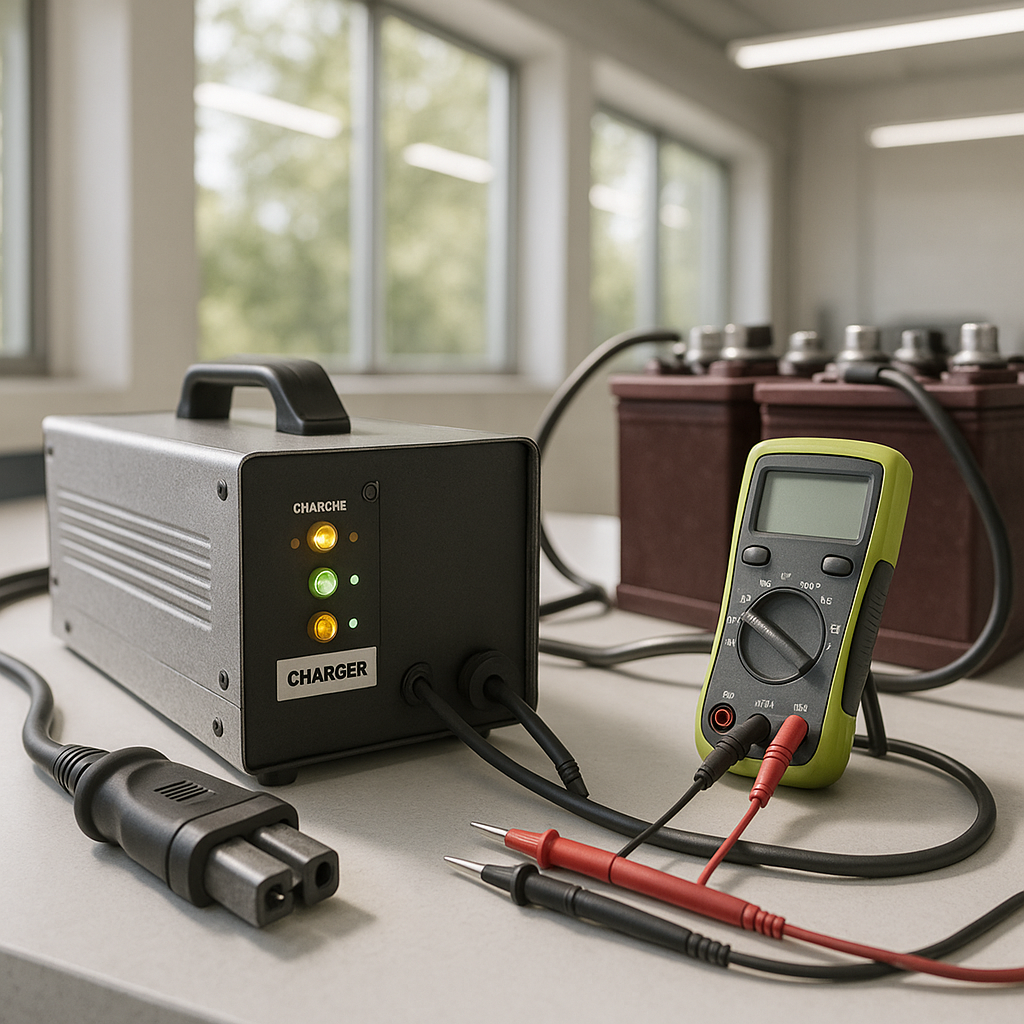
Most modern golf cart chargers are automatic — they monitor the pack voltage and current draw and shut off when they detect that the batteries have reached a charged state. The problem is that this detection logic can be fooled. If one or more batteries in the pack are weak or failing, the overall pack voltage can rise quickly to a level the charger reads as "full" — even though the weak cells haven't actually accepted a meaningful charge. The charger sees what it expects to see and shuts down early. This is one of the most common reasons a charger appears to work correctly but the cart still runs out of juice too soon.
Check Each Battery Individually
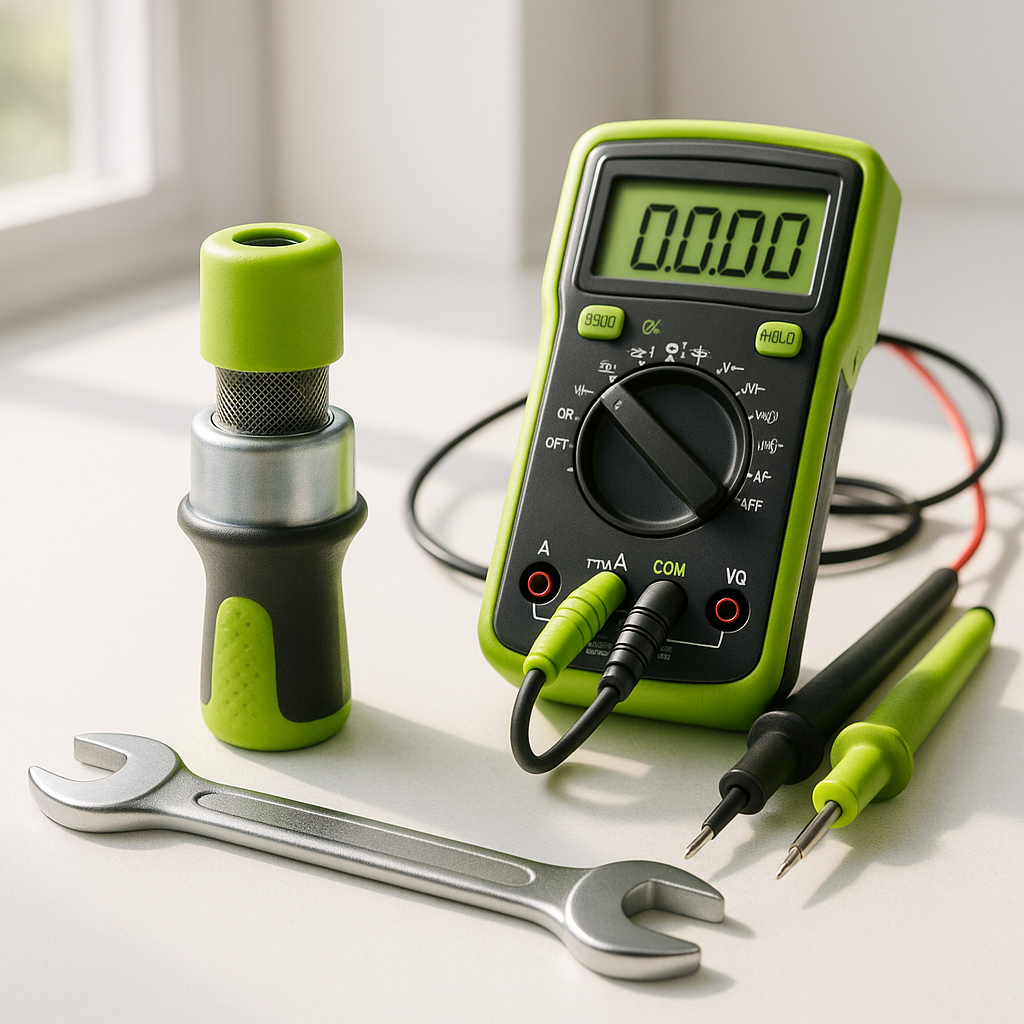
Start with a fully discharged pack and put it on the charger. Let it run through whatever cycle it completes. Then, with a basic voltmeter, check each battery individually — not just the total pack voltage. A healthy battery should be at or near its fully charged voltage for its chemistry and cell count. If one or two batteries in the string are reading noticeably lower than the others after a charge cycle, those are your likely culprits. A weak battery drags the whole pack down but can also cause the charger to cut out before the rest of the pack is truly topped off. This single check eliminates a lot of guesswork.
Look at the Battery Cable Connections
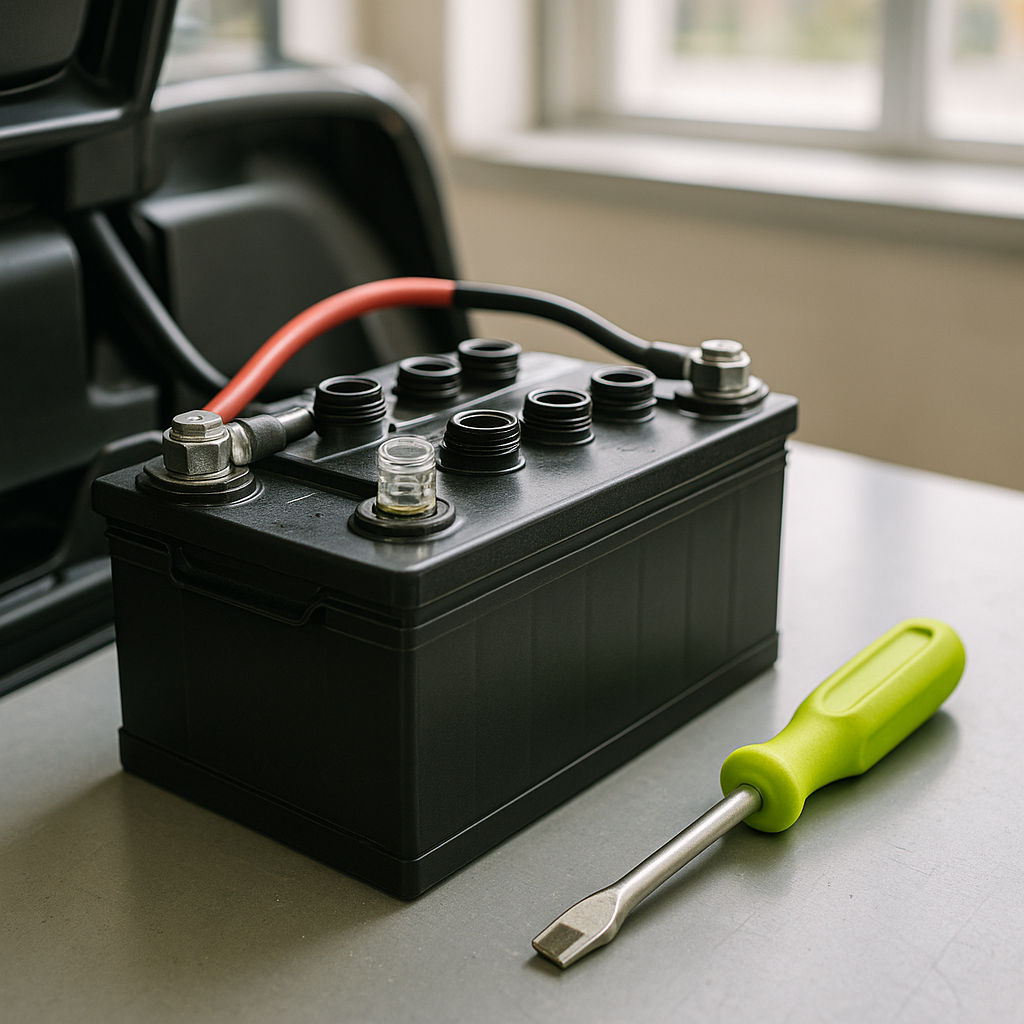
Bad connections between batteries — or between the batteries and the cart's main wiring — can introduce enough resistance to distort the voltage readings the charger is working from. Loose terminals, corroded cable ends, or a frayed cable can all cause inconsistent resistance in the circuit that throws off the charger's sense of where the pack actually is in its charge cycle. With the cart off and the charger disconnected, physically inspect every battery terminal and cable end. Look for green or white corrosion, terminals that move when you wiggle them, or cables that look swollen or damaged near the crimp. Clean any corrosion with a wire brush, tighten loose connections, and retest.
Check the Charger's Receptacle and Plug
The connection point between the charger cord and the cart's charge port is another place where resistance problems hide. A worn or corroded charge receptacle can cause voltage drop right at the point where the charger is monitoring the circuit. If the plug feels loose, if the connector pins look dark or pitted, or if the plug gets unusually warm during charging, that's a sign of a bad connection that could be affecting charge behavior. This is easy to overlook because it's not inside the battery compartment — but it's part of the same circuit the charger is reading.
Consider Temperature
Lead-acid batteries charge differently in cold weather. When the ambient temperature drops significantly, a charger may interpret the battery pack's behavior as "charged" sooner than it actually is, because the charge acceptance rate changes with temperature. Some chargers have temperature compensation built in; many do not. If you're noticing early cutoff mostly in cooler months or early mornings, temperature is worth considering. Charging in a warmer environment, or allowing batteries to warm up slightly before charging, can help — though this isn't always practical. It's worth ruling out before assuming a component is faulty.
When the Charger Itself May Be the Problem
If the batteries check out individually, the cables and connections are clean and tight, and the charge port is in good shape, the issue may be inside the charger. Chargers have internal sensors and circuit boards that calibrate the cutoff logic, and these can drift or fail over time — especially on older units that have seen years of use. A charger that consistently cuts off at the same premature point regardless of battery state, or one that shuts down very quickly even on a fully depleted pack, is behaving in a way that points to a charger issue rather than a battery issue. At that point, having the charger tested or simply replacing it is the practical next step.
One More Thing: Don't Ignore the Age of the Pack
Batteries that are simply old and near the end of their service life will often cause exactly this pattern — early charger shutoff, reduced runtime, poor performance on hills. If the pack is several years old and individual battery voltages are uneven after charging, the honest answer may be that the pack is past its useful life. A charger stopping early is sometimes the first symptom that makes an owner realize the batteries need replacement. No cable fix or charger adjustment will restore capacity to cells that are genuinely worn out. Knowing that saves you from chasing a problem that doesn't have a repair-based solution.