If your golf cart charger keeps clicking on, running briefly, then shutting off — only to repeat the cycle — it's telling you something is wrong. This behavior is sometimes called "hunting" or cycling, and it's one of the more frustrating charging problems to deal with because the charger appears to be working while actually delivering little to no useful charge. The good news is that the root cause almost always falls into a handful of well-known categories, and you can work through them systematically without special equipment.
Start With the Battery Pack Voltage
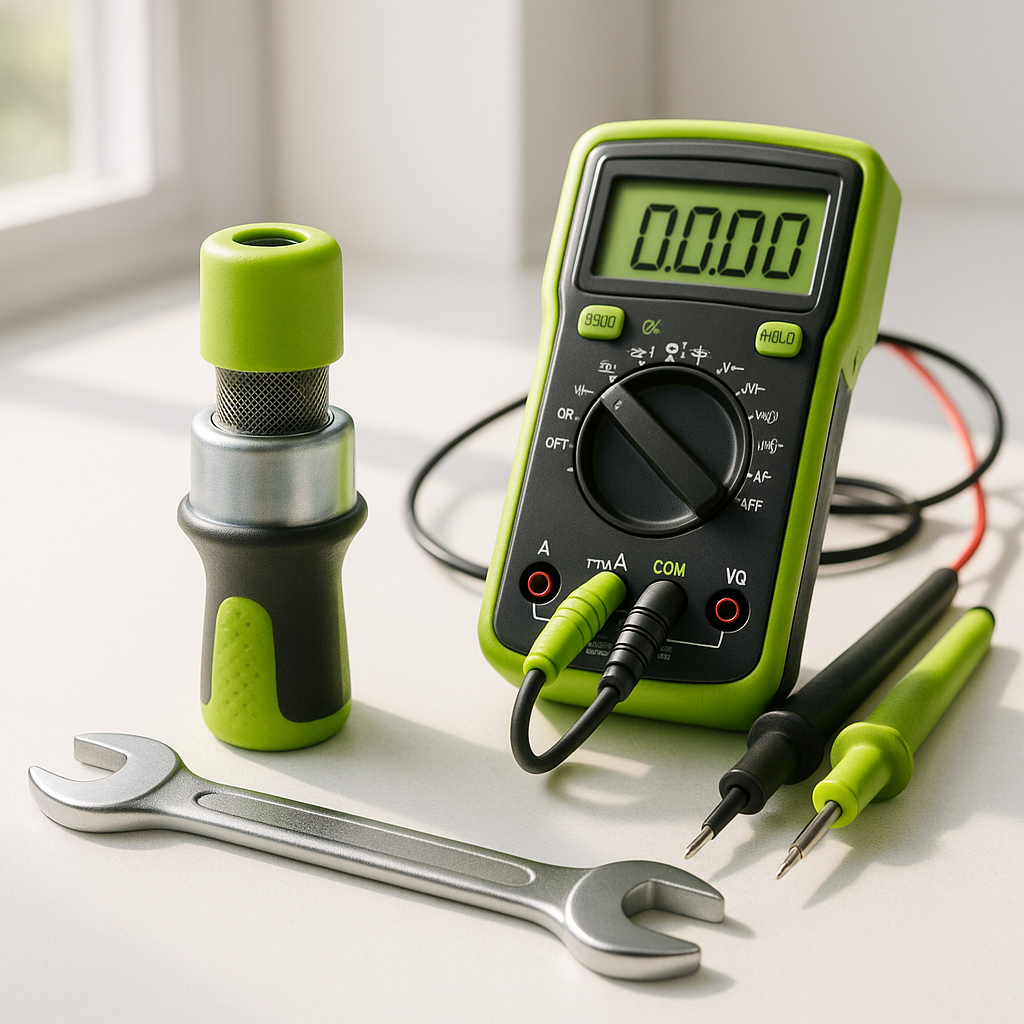
Most automatic chargers use the pack's resting voltage to decide whether to engage and how aggressively to charge. If one or more batteries in your pack have dropped severely — below the threshold the charger expects — the charger may briefly connect, sense an abnormal condition, and shut back off as a protective measure. Grab a multimeter and check the total pack voltage before you plug in the charger. Then check each individual battery. A pack that reads low overall but has one battery reading significantly lower than the others has a weak or dead cell dragging the whole pack down. That battery is almost always the trigger for cycling behavior.
Check for a Deeply Discharged or Sulfated Battery
Severely discharged lead-acid batteries can drop so low that an automatic charger won't recognize them as a valid battery at all. The charger pulses, sees what looks like an open circuit or a shorted cell, and trips its protection circuit. This is especially common after a golf cart has sat unused for an extended period. Some chargers have a "recovery" or "manual" mode for this situation, but many do not. If all your batteries test at reasonable voltage individually but one reads extremely low under any load, sulfation is likely the problem — and that battery typically needs replacement rather than recovery.
Inspect the Battery Connections and Cables
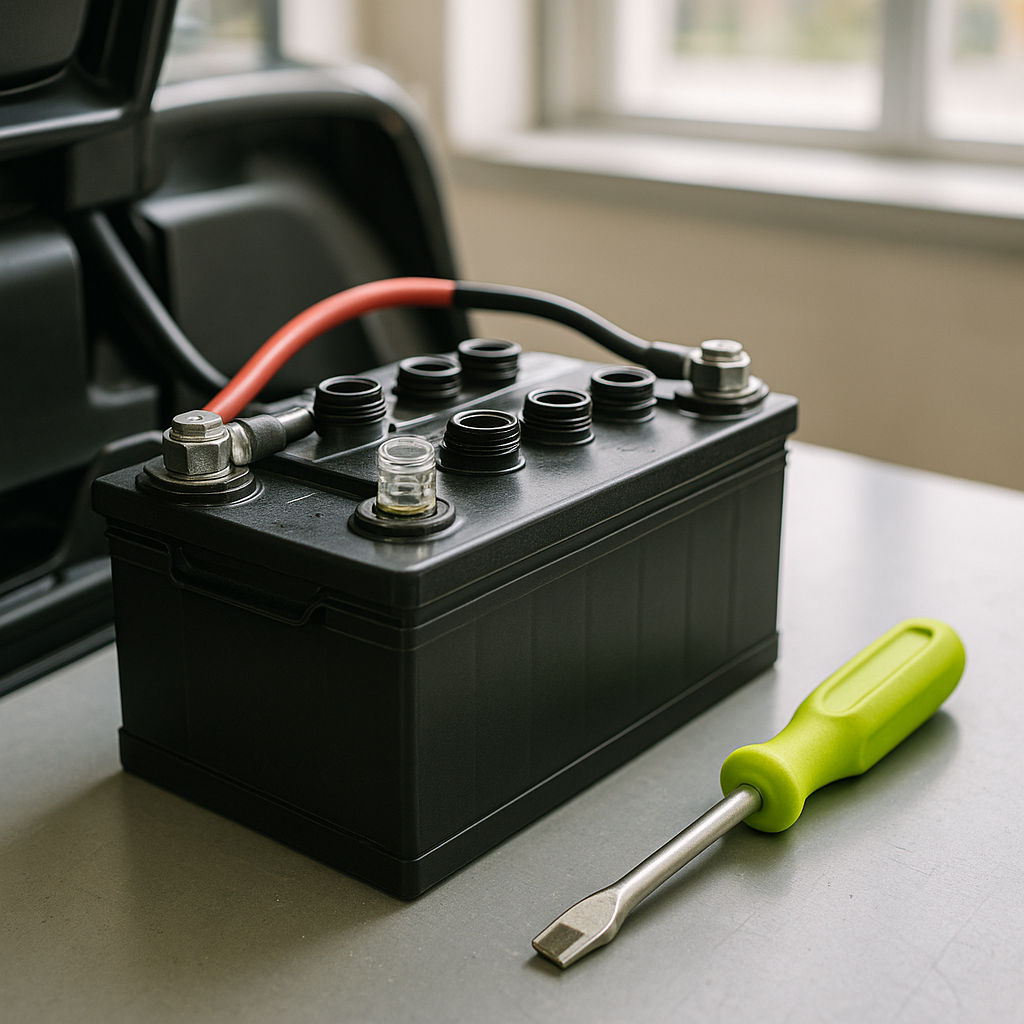
Poor connections between batteries — corroded terminals, loose cable ends, or frayed cables — create resistance that mimics a bad battery to the charger's sensing circuit. The charger engages, voltage spikes or drops erratically across the connection, and the charger interprets that signal as a fault. Clean every terminal with a wire brush, check that every cable end is seated fully on its post, and snug any loose hardware. Pay special attention to the main positive and negative leads that run to the charger receptacle — a loose or corroded connection there can cause exactly the cycling behavior you're seeing.
Look at the Charger's Output Plug and Cart Receptacle
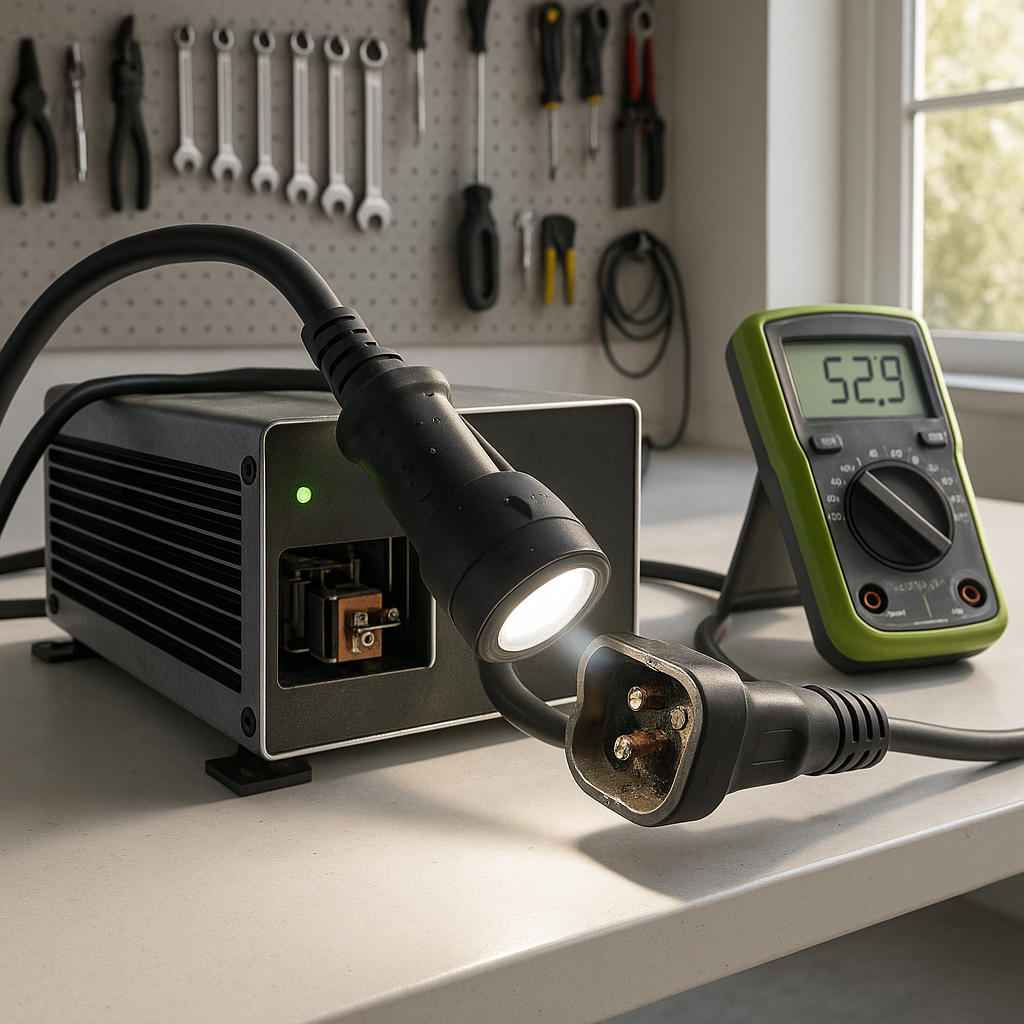
The connection between the charger and the cart is a frequently overlooked culprit. If the charger plug isn't seating fully in the cart's charge receptacle, you'll get an intermittent connection that causes the charger to cycle. Inspect both the plug and the receptacle for bent pins, burned contacts, or debris. A receptacle that has seen a lot of use can loosen over time and fail to make consistent contact. Wiggle the plug gently while the charger is running — if the cycling stops or changes behavior, the connection is the problem.
Consider Charger Overheating
Chargers have thermal protection built in. If the charger itself is getting too hot — from being in a confined space, operating in high ambient temperatures, or from an internal component that's starting to fail — it will shut down temporarily, cool off, and restart. This produces a slower cycling pattern than a battery detection problem (minutes apart rather than seconds), but it can look similar. Make sure your charger has adequate airflow around it during charging. If it's unusually hot to the touch after only a short run time, the charger's internal components may be degrading.
Test the Charger on a Known-Good Pack If Possible
If you've worked through the battery and connection checks and can't isolate the problem, the most definitive next step is testing the charger on a battery pack you know is healthy — or having a shop put your charger on a load tester. This separates a charger problem from a battery problem quickly. Chargers can and do fail, and internal component failures often show up as cycling behavior rather than a complete shutdown. If the charger cycles on a good pack, it needs service or replacement. If it charges normally on a good pack, your battery pack is the confirmed source of the problem.
Cycling behavior is almost never a reason to just leave the charger plugged in and hope it eventually completes. At best, the batteries aren't getting a useful charge. At worst, a bad battery or faulty charger connection could cause heat buildup at the terminals. Work through the diagnostics above, replace any battery that tests significantly weaker than the rest of the pack, and verify every connection is clean and tight before you write off the charger itself.