If your golf cart charger sparks when you plug it into the cart, your first instinct might be to yank it back out and call it a day. That reaction is understandable, but not always necessary. A brief, small spark at the moment of connection is actually common and often normal — the result of inrush current as the charger and battery pack make contact. The key word there is brief. What's normal and what's dangerous look different, and it's worth knowing how to tell them apart before you write off a charger or, worse, ignore something genuinely wrong.
What a Normal Spark Looks Like
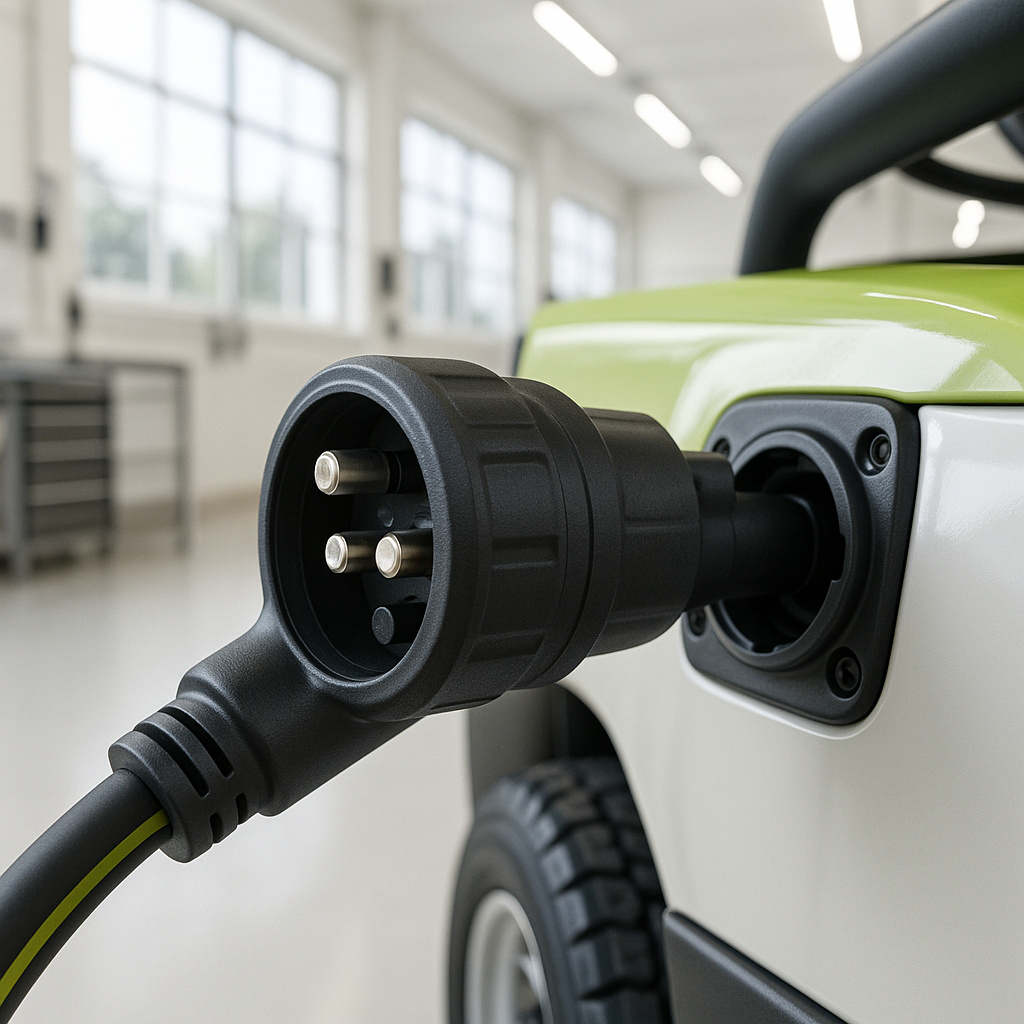
When a charger is plugged into a deeply discharged battery pack, there's an immediate demand for current the instant the connection is made. That sudden flow can cause a small, quick spark right at the plug face — similar to what you might see when plugging a vacuum cleaner into a wall outlet. This is typically a tiny blue or white flash that lasts a fraction of a second and then disappears completely. The charger then hums to life, the ammeter or indicator light responds normally, and charging proceeds without issue. If that describes what you're seeing, you're almost certainly fine.
When Sparking Becomes a Warning Sign
Sparking becomes a concern when it's large, sustained, repeated, or accompanied by other symptoms. A loud crack, a big visible arc, smoke, a burning smell, or a spark that happens every single time you plug in — including when the pack is well-charged — are all signs worth investigating. Same goes for any sparking at the battery terminals themselves rather than at the charger plug. That points somewhere different in the system entirely, and it deserves its own diagnostic process.
Check the Charger Plug and Receptacle First
The most common cause of abnormal sparking at the plug is a worn or damaged connection point. Inspect both the charger plug and the cart's charging receptacle for burn marks, melted plastic, pitting, or corrosion. Any of those signs means the connection isn't clean — and a dirty connection means resistance, which means heat and arcing over time. A receptacle that feels loose or wiggly when the plug is inserted can cause intermittent contact, which will also produce repeated sparking. Both the plug and the receptacle are wear items, and they're the first place to look.
Look at Battery Pack Voltage and State of Charge
Deeply discharged battery packs — especially flooded lead-acid batteries that have been sitting for a long time — create a bigger inrush demand when a charger connects. This can make the spark at plug-in noticeably larger than you'd see with a pack at a normal resting voltage. If your charger consistently produces a large spark and your batteries have been sitting low for an extended period, the two things are likely related. Getting the pack back into a normal state of charge (if the batteries are still salvageable) will often reduce the severity of the spark at connection. If the pack is genuinely sulfated or has failed cells, the charger behavior can be erratic in other ways too — including sparking more than usual.
Rule Out Battery Cable and Terminal Problems
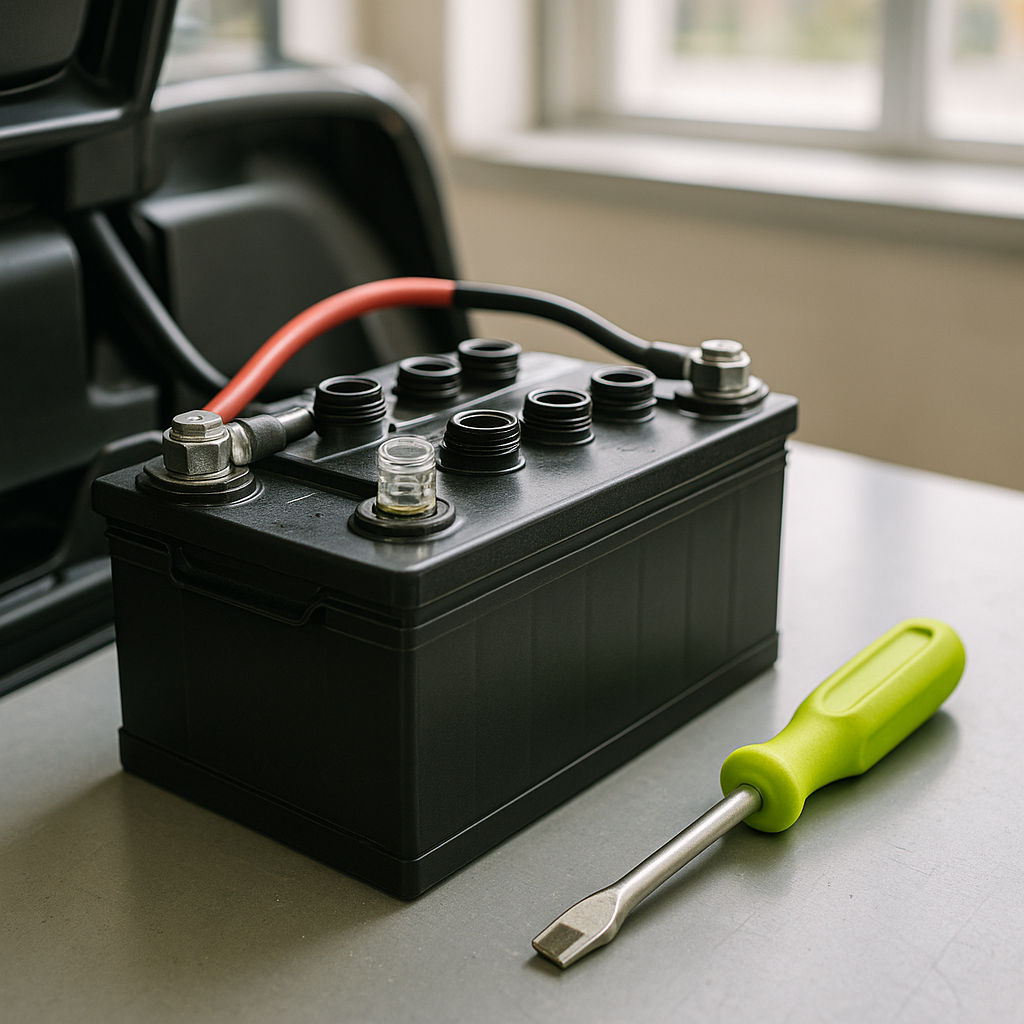
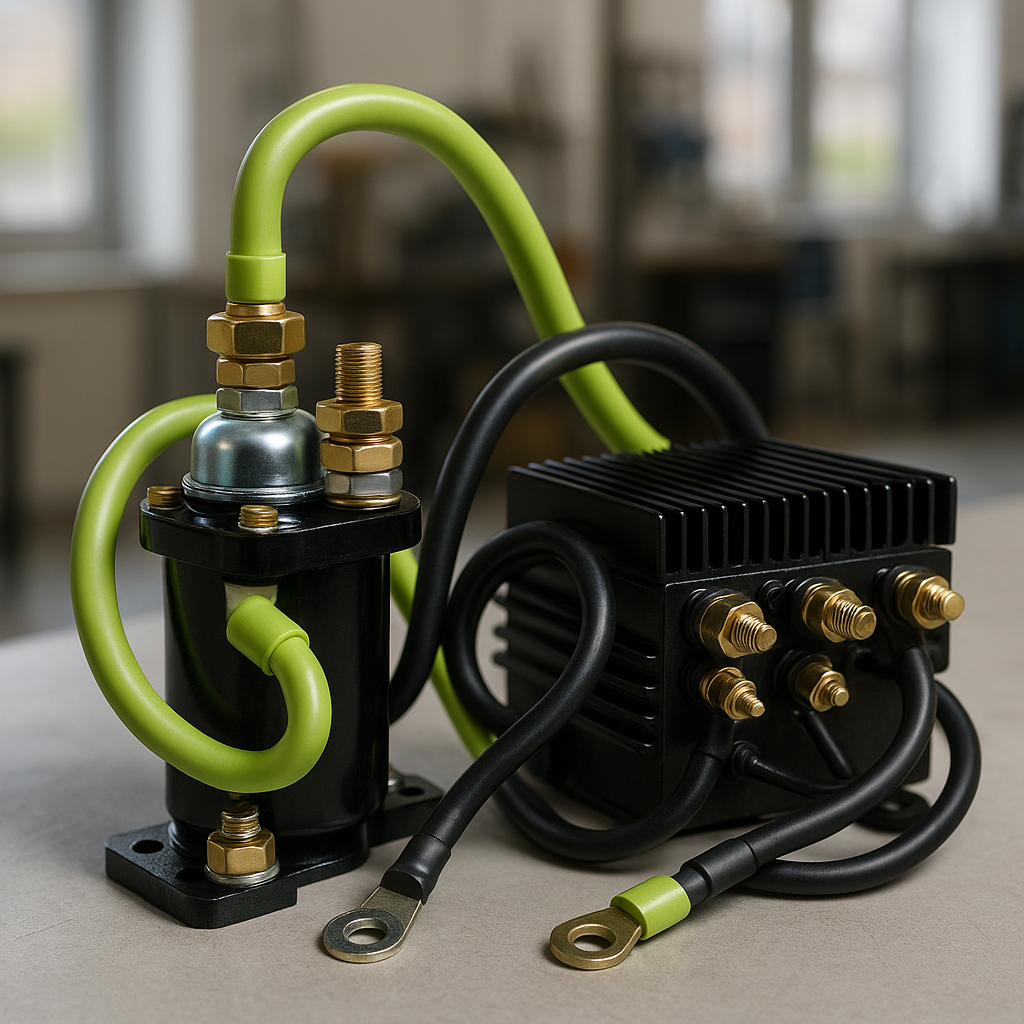
Loose or corroded battery cable connections create resistance in the pack circuit. That resistance can cause unusual electrical behavior at multiple points in the system — including at the charger plug during connection. If your cables have loose terminal clamps, significant corrosion buildup, or damaged insulation, those issues can contribute to sparking that seems to originate elsewhere. Give the full cable run a visual inspection: look at every terminal connection for corrosion (white or bluish powder on lead-acid, any signs of heat damage), check that every connection is snug, and look along the cable length for insulation that's cracked, chafed, or melted.
Consider Charger Condition and Compatibility
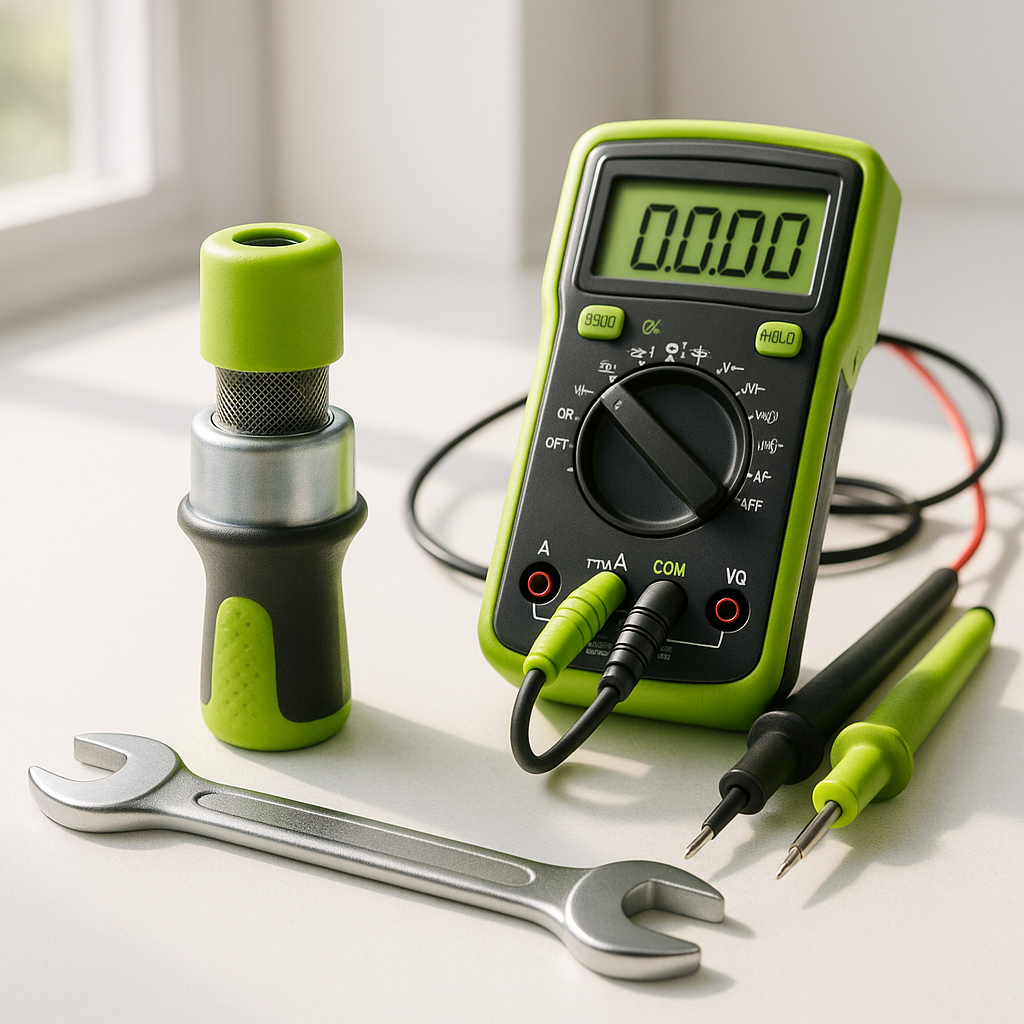
An aging or malfunctioning charger can also be the source of the problem. Chargers have internal components that degrade over time, and a charger that's developing a fault can behave erratically at the moment of connection — producing a bigger or more sustained spark than it should. If your charger is old, has been dropped, or is producing sparks in combination with other symptoms like failing to charge properly, running unusually hot, or tripping its own fuse, the charger itself may need to be tested or replaced. Also worth verifying: the charger's voltage rating should match your cart's battery pack voltage. A mismatch there is a serious issue, not just a sparking issue.
When to Stop Using the Charger Immediately
Disconnect and stop using the charger if you see any of the following: sustained arcing that doesn't stop when the connection is fully made, visible burn damage on the plug or receptacle, smoke or a burning smell coming from the charger or the battery area, or any sparking at the battery terminals rather than the charger plug. These are not normal and continuing to charge in those conditions creates a real fire risk — especially in an enclosed space. A golf cart charging setup that's producing consistent large sparks, emitting smells, or showing physical burn damage needs to be fully diagnosed before it's used again. In most of these cases the fix is straightforward — a new receptacle, a new plug, cleaned and tightened connections — but you need to find the cause first.