The motor controller is the brain of an electric golf cart's drivetrain. It takes input from the accelerator pedal and battery pack, then precisely regulates how much current flows to the motor. When it fails — partially or completely — the symptoms can range from subtle (mild hesitation off the line) to obvious (the cart won't move at all). The tricky part is that a bad controller can mimic the symptoms of a bad solenoid, a worn motor, or a weak battery pack. Working through a logical sequence of checks saves you from replacing the wrong part.
Common Symptoms of a Failing Controller
Not all controller problems look the same. A completely dead controller usually means zero response when you press the accelerator — the cart won't budge, even though the solenoid clicks and the batteries are charged. A partially failing controller often shows up as erratic behavior: the cart surges or jerks during acceleration, loses power under load (especially uphill), cuts out and then comes back, or moves in one direction but not the other. Speed limiting that feels sudden rather than gradual — like hitting a wall at half speed — is another classic sign. If your cart has been running fine and suddenly develops any of these behaviors, the controller should be on your short list of suspects.
Start With the Basics Before Blaming the Controller
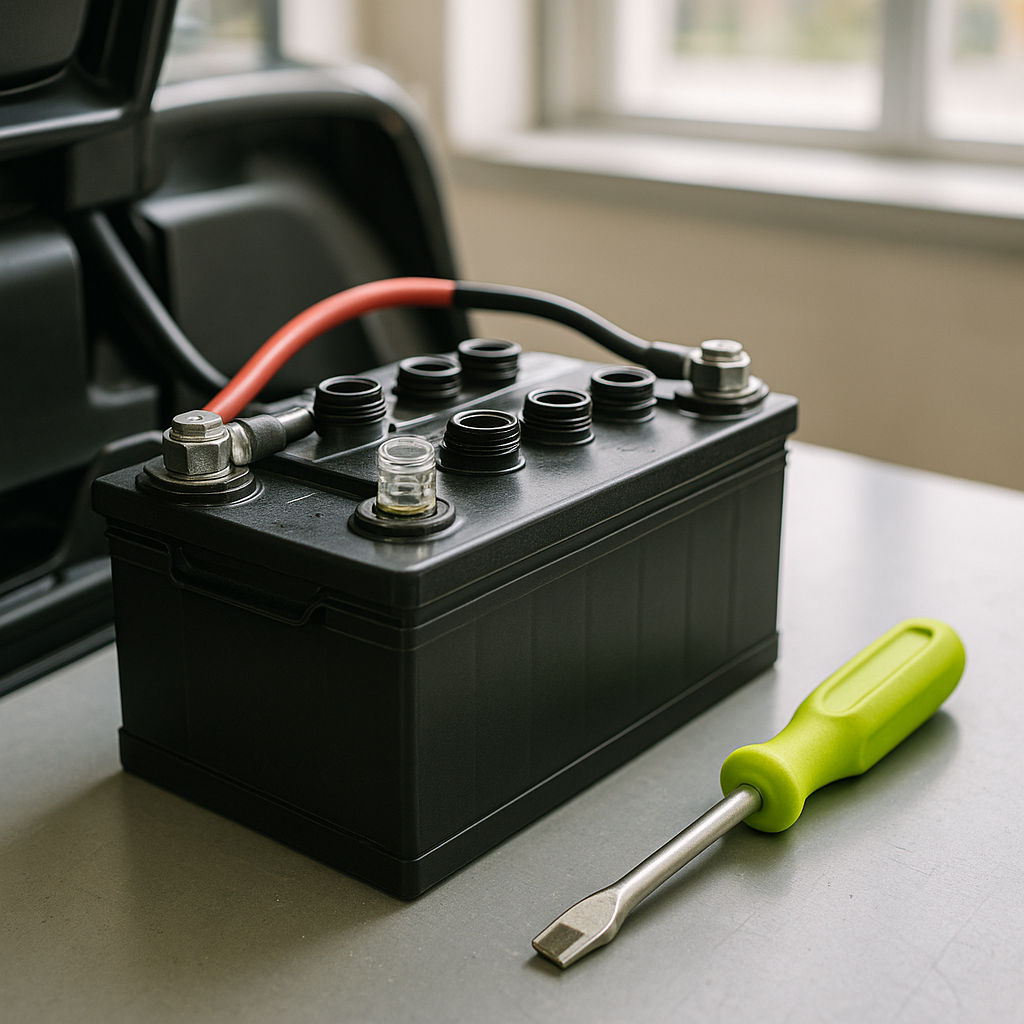
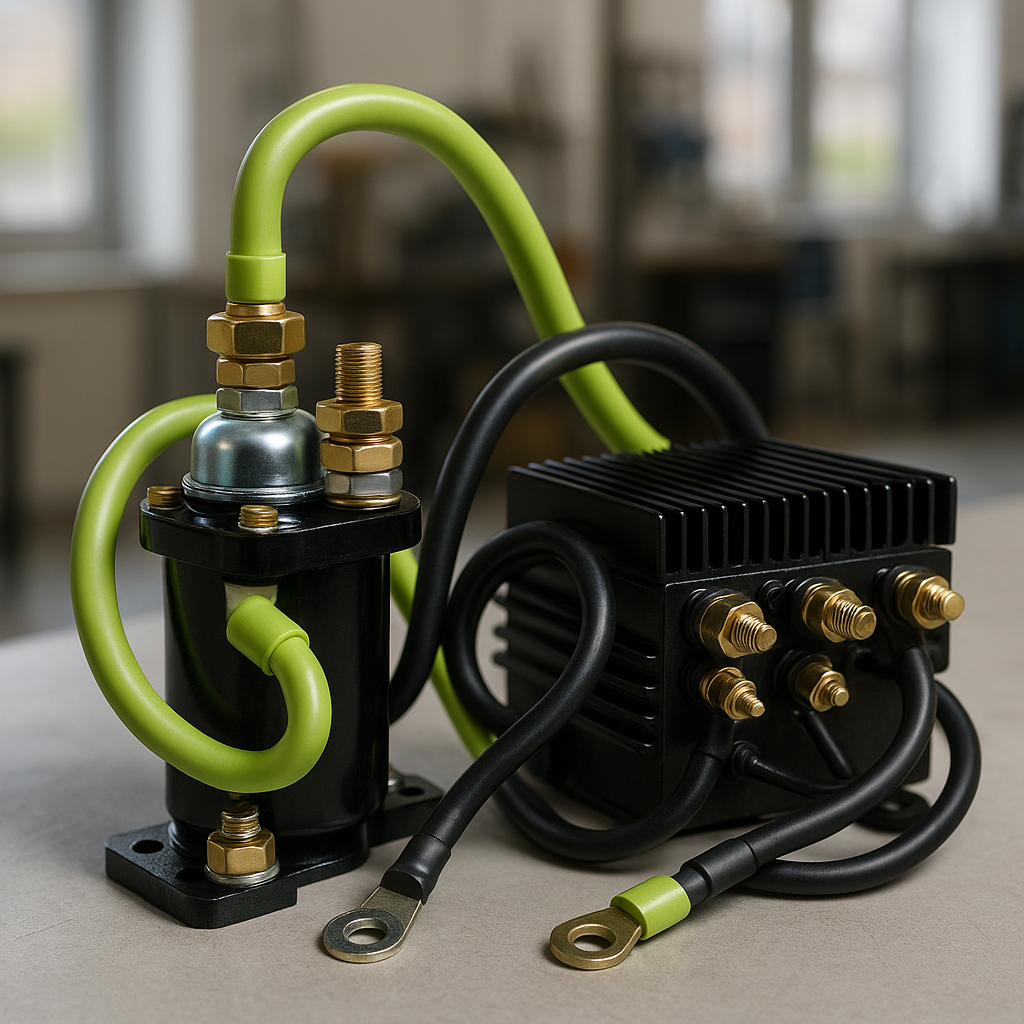
Because controllers are relatively expensive, it pays to rule out simpler causes first. Check your battery pack voltage under load — low or uneven voltage across the pack puts the controller in a situation it wasn't designed for and can cause all the same hesitation and cutout symptoms. Inspect every battery cable connection and terminal for corrosion or looseness, because high-resistance connections create voltage drop that confuses the controller's logic. Also check the main fuse or circuit breaker in the system; a partially tripped breaker can allow the cart to move weakly but cut out under any real load. Confirm the solenoid is functioning — if it isn't pulling in cleanly, the controller never gets full voltage to work with. Fix any of these before going further.
Check the Throttle Input Signal
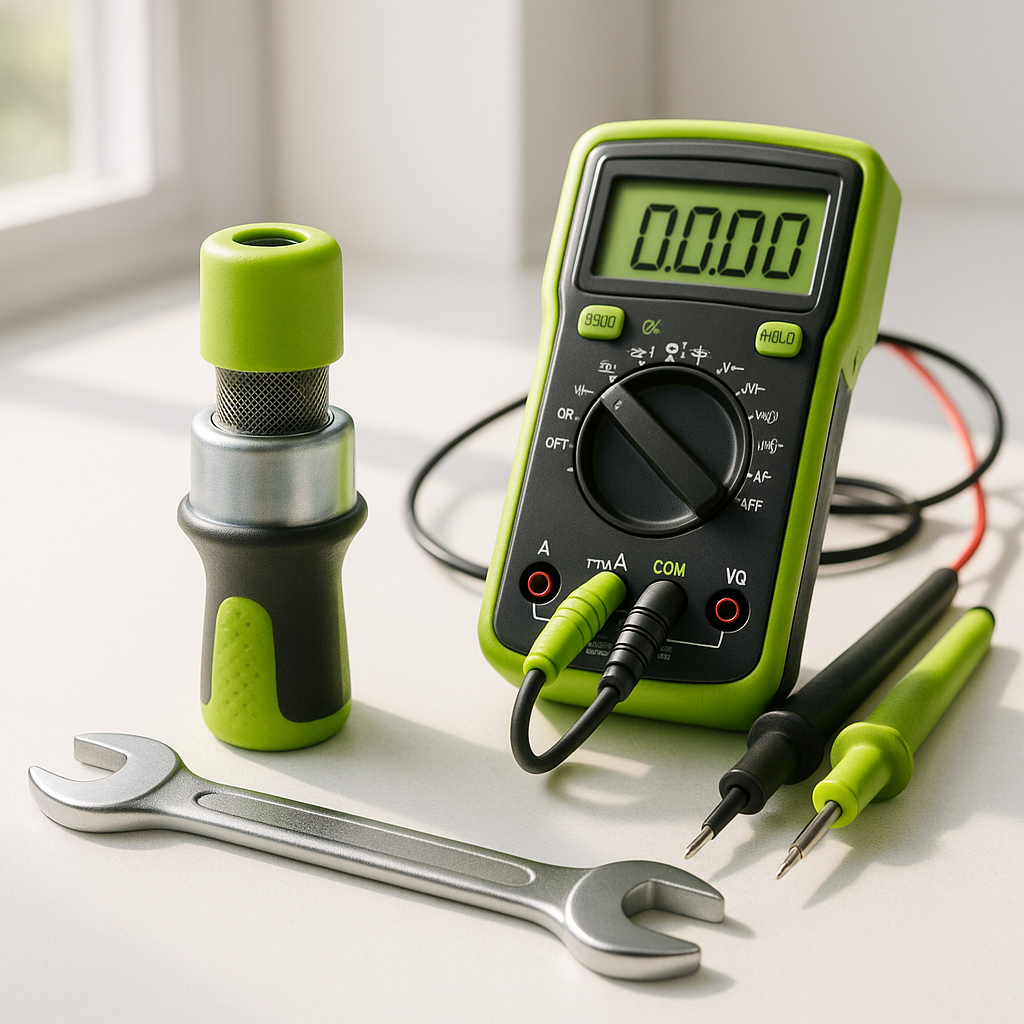
Most modern electric golf carts use a potentiometer or a magnetic hall-effect sensor in the accelerator pedal assembly to send a position signal to the controller. If that signal is erratic — because of a worn pot, a dirty sensor, or a frayed wire — the controller responds erratically even though it's working perfectly. A multimeter set to DC voltage can confirm whether the signal from the throttle assembly sweeps smoothly from its minimum to maximum value as you slowly depress the pedal. A signal that jumps around, sticks at one value, or drops to zero partway through the sweep points squarely at the throttle input rather than the controller itself. Replacing a throttle position sensor is much less expensive than a controller.
Inspect the Controller for Visible Damage and Heat
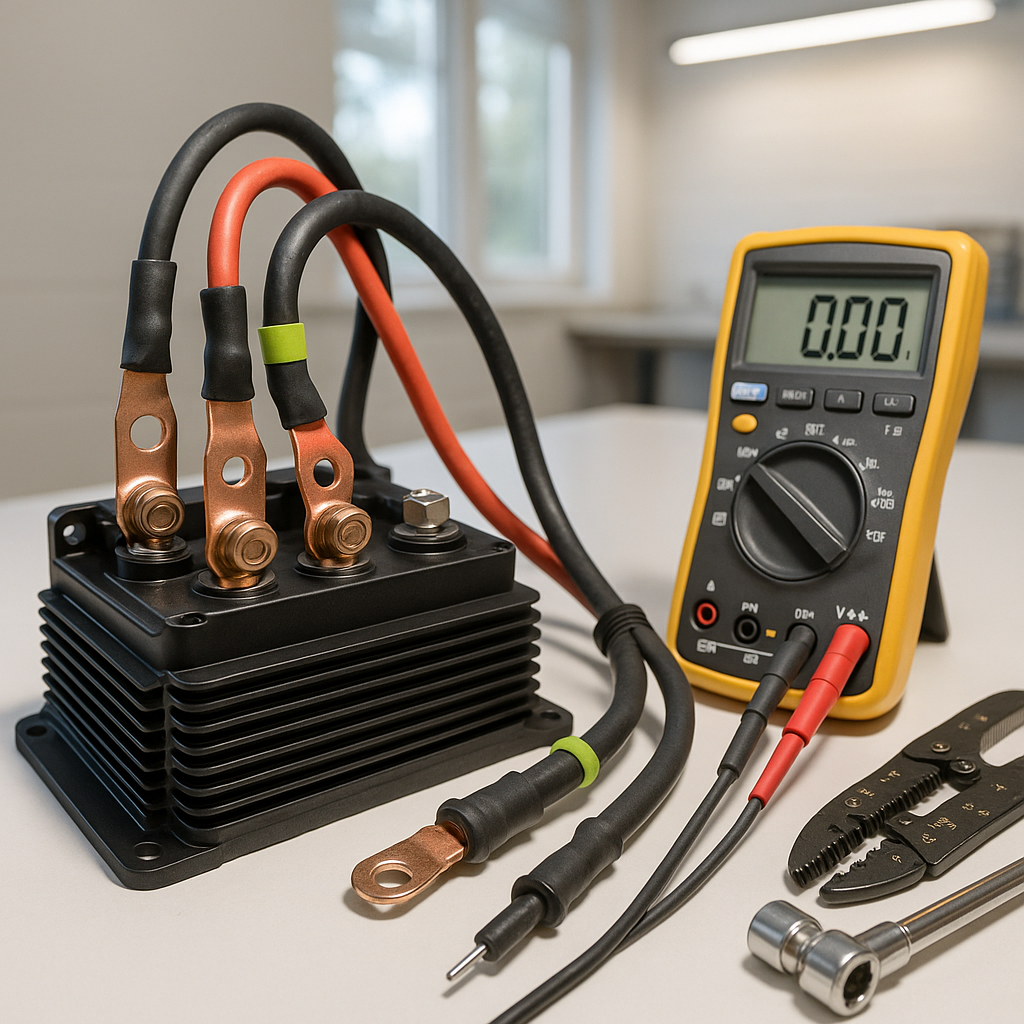
With power disconnected, physically inspect the controller. Look for swelling, burn marks, melted plastic, or any sign of heat damage around the terminals. A controller that has run excessively hot — from a sustained overload, a shorted motor, or poor ventilation — often fails in a way that isn't repairable. Check all the wiring terminals at the controller body: loose or corroded connections here create resistance that generates heat and causes intermittent faults. Many controllers also have a thermal protection feature that cuts power when internal temperature exceeds a safe threshold; if your cart cuts out after running for a while but recovers after sitting, thermal shutdown is worth investigating. Make sure the controller has adequate airflow and that nothing is blocking it.
Test for Short Circuits in the Motor
A shorted or grounded motor will destroy a new controller quickly, so before condemning the controller, check the motor itself. With everything disconnected, use a multimeter to check resistance between each motor terminal and the motor's case — you should see very high resistance (effectively open circuit). Low resistance or a direct short to the case means the motor windings are compromised. Running a bad controller on a shorted motor is a waste of money; running a new controller on a shorted motor is an expensive mistake. If the motor checks out clean and all the inputs look correct but the controller still misbehaves, that's when replacement becomes the logical next step.
When to Replace vs. When to Keep Diagnosing
If you've confirmed good battery voltage, solid connections, a clean throttle signal, a healthy motor, and the symptoms are still present, the controller is the most likely remaining cause. Controllers can also sometimes be tested by substitution — borrowing or renting a known-good compatible unit — before committing to a purchase. Keep in mind that controllers are rated by voltage and amperage, and those ratings must match your cart's system. Installing a controller with the wrong voltage rating or insufficient amperage capacity for your motor will either fail immediately or fail prematurely under load. When you do replace, take note of any programmable settings your previous controller had (acceleration rate, speed limiting, regenerative braking behavior) so you can set the new unit up appropriately for how you use the cart.