A golf cart tire that slowly loses air or goes flat overnight is one of those problems that's easy to ignore at first — you pump it up and move on. But if it keeps happening, you're dealing with something that needs a proper diagnosis. The good news is that most slow leaks and flat tire problems on golf carts come from a handful of well-known causes, and most of them are things you can check yourself before spending money on new tires or wheels.
Start With a Visual Inspection
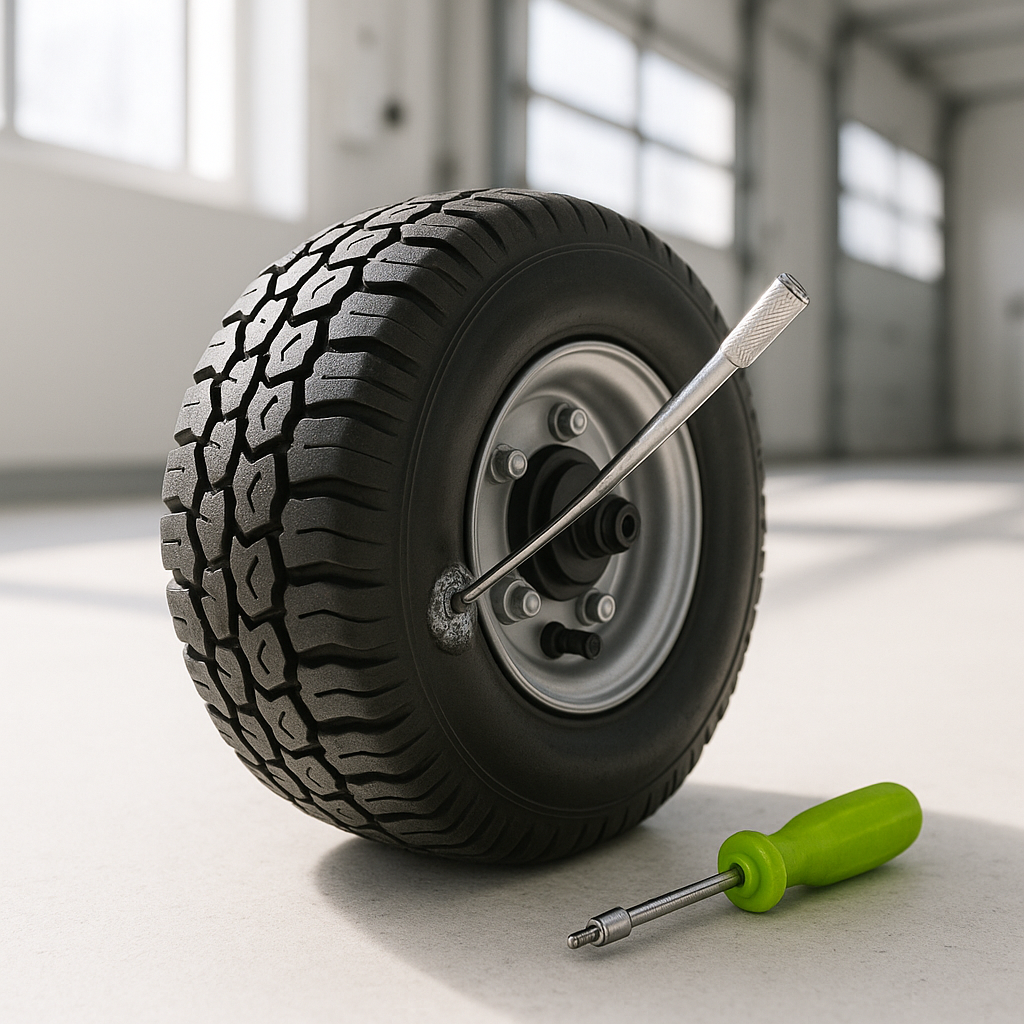
Before anything else, give the tire a thorough once-over with your eyes. Look for obvious punctures — screws, nails, and wire staples are the most common culprits on golf course paths and around shop or garage areas. Run your hand carefully around the tread and sidewall feeling for embedded objects. Also look for cracks in the sidewall rubber, especially on older carts that sit outside year-round. Dry-rotted or cracked sidewalls can leak air without any puncture at all, and no patch will fix that — a cracked tire needs to be replaced.
Do a Soap-and-Water Test
If there's no obvious puncture but the tire keeps going flat, mix up a solution of dish soap and water and brush or spray it generously over the entire tire — tread, sidewalls, and especially around the bead where the tire meets the rim. Also hit the valve stem directly. Inflate the tire to its normal operating pressure first, then watch for bubbling. Bubbles pinpoint exactly where air is escaping. This is the most reliable way to find a slow leak that you can't hear or feel. Take your time and cover the whole surface — small leaks can be subtle.
Check the Valve Stem
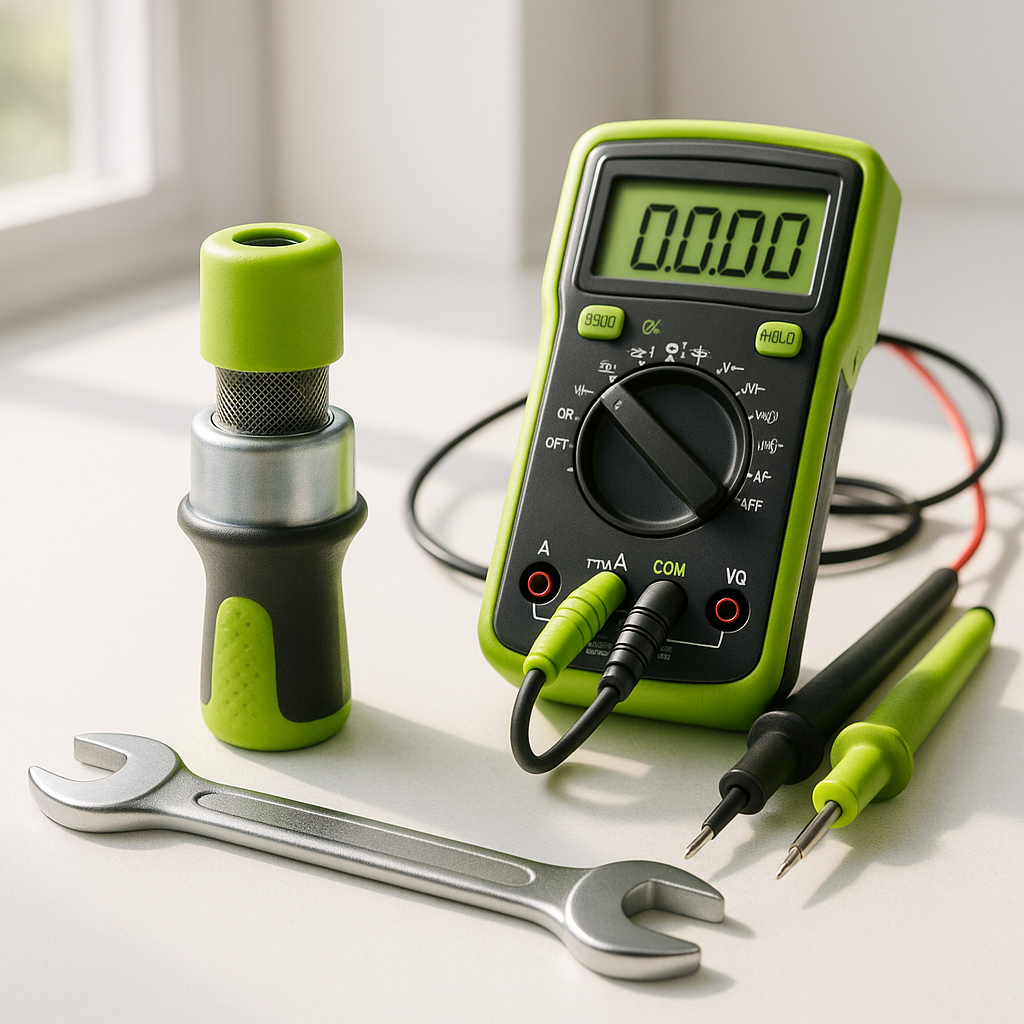
Valve stem leaks are surprisingly common on golf carts and are often overlooked. The rubber stem itself can crack or deteriorate over time, especially with UV exposure. The valve core inside can also loosen or wear out. With the tire inflated, spray soapy water directly on the valve stem opening and around its base where it meets the rim. If you see bubbles there, try tightening the valve core with an inexpensive valve core tool first — sometimes that's all it takes. If the rubber stem itself is cracked or brittle, it needs to be replaced, which is a quick job for any tire shop and inexpensive to do.
Inspect the Bead and Rim
The bead is the edge of the tire that seals against the rim. If the bead isn't seating properly, air will leak around the edge of the tire rather than through it. This can happen after a tire has been dismounted and remounted, after hitting a significant curb or pothole, or simply when corrosion builds up on the rim surface. Look for rust, pitting, or debris around the rim edge where the tire contacts it. Light surface rust can sometimes be cleaned up with a wire brush; heavy corrosion or a bent rim may mean the rim itself is the problem. Also check whether the tire is seated evenly all the way around — an uneven bead line on the sidewall is a sign it's not fully seated.
Consider a Foam Fill or Tire Sealant as a Fix — With Caveats
Once you've identified the cause, you have options. A straightforward puncture in the tread can usually be plugged or patched from the inside. A failing valve stem gets replaced. A bead leak often just needs the tire remounted with bead sealer. Some golf cart owners opt for tire sealant products as a preventive measure or a temporary fix for slow leaks — these can work well for small punctures but won't solve bead leaks, rim damage, or sidewall cracks. Foam-filled tires are another route that eliminates flat tires entirely, but they add weight, change the ride feel, and make future tire changes more involved. Know what you're trading off before going that direction.
When It's Time to Replace the Tire
If you find sidewall cracking, dry rot, a bulge, or a puncture in the sidewall itself, stop trying to repair the tire and replace it. Sidewall damage is a structural issue — a tire in that condition can fail suddenly under load, which is a real safety risk. The same goes for any tire that has been run flat, even briefly — running a tire flat can damage the internal structure in ways that aren't visible from the outside. When in doubt, replacement is the right call. Golf cart tires are generally affordable, and a blown tire at speed is a much bigger problem than the cost of a new one.