Few things are more frustrating than glancing back and realizing one of your golf cart's hubcaps is gone — somewhere on the last fairway or back down the trail. Hubcaps pop off more than people expect, and while it's easy to dismiss as a cheap part problem, a hubcap that won't stay seated is often pointing at something worth investigating. Here's how to work through it systematically.
Start With the Hubcap Itself
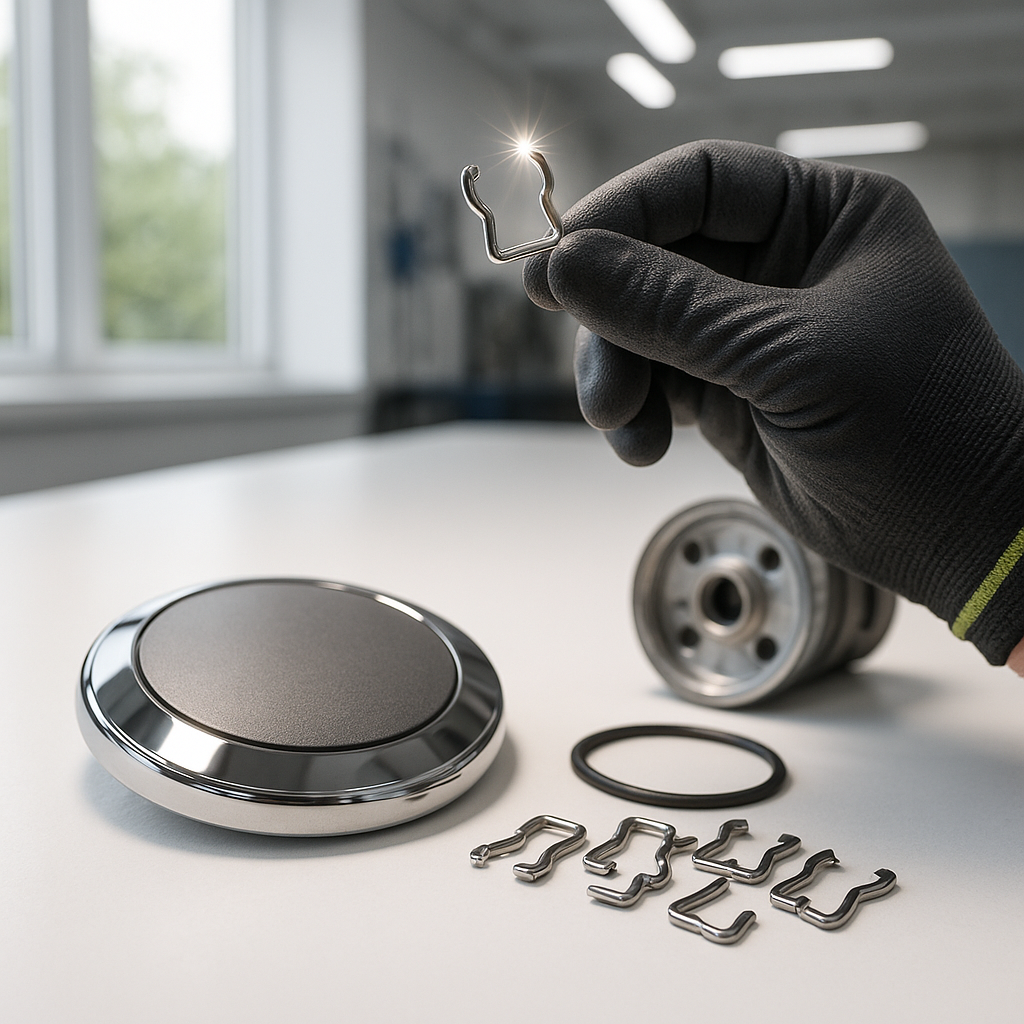
The most obvious starting point is the hubcap and its retention mechanism. Most golf cart hubcaps stay in place through one of a few methods: a clip or ring that snaps over the wheel's center hub, a set of retention tabs that grip the wheel's lip, or — on some designs — screws or fasteners. Inspect whatever retention method your hubcap uses. Plastic retention clips crack and fatigue over time, especially if the hubcap has been popped on and off repeatedly or was ever forced onto the wrong wheel size. If the tabs or clips are visibly bent, cracked, or missing chunks, the hubcap itself is likely worn out and replacement is the straightforward fix.
Check the Wheel Center Hub for Damage or Buildup
Even a new hubcap won't seat securely if the surface it's gripping is compromised. Check the center hub — the raised area the hubcap actually clamps onto. Look for corrosion, rust scale, built-up mud or debris, or physical damage like a cracked or bent hub flange. Any of these can prevent the hubcap from seating flush and making full contact with the retention surface. Clean the hub thoroughly and see if that improves the fit before assuming the hubcap itself is the problem.
Confirm You Have the Right Size
Golf cart wheels come in several common sizes, and hubcaps are not one-size-fits-all — even when they claim to be "universal." A hubcap designed for one diameter or center bore will fit loosely on a wheel it wasn't properly matched to, no matter how firmly you press it on. Measure your wheel's center hub diameter and confirm the hubcap you're using is genuinely rated for that size. This is especially common after a wheel upgrade — if someone put larger aftermarket wheels on the cart and grabbed whatever hubcaps seemed close, a size mismatch is the likely culprit.
Look at the Wheel for Bending or Distortion
A wheel that's taken a hard impact can develop a subtle bend or distortion around the center area that prevents the hubcap from seating evenly. Spin the wheel slowly while watching the hub area — you shouldn't see any wobble or lateral movement. If the wheel itself is out of round or bent near the center, no hubcap is going to stay on reliably, and the wheel needs attention regardless.
Consider Vibration as a Root Cause
Sometimes the hubcap itself is fine, the wheel is fine, and the sizing is correct — but the cart vibrates enough at speed to shake the hubcap loose over time. This is worth diagnosing separately. Check that the wheels are properly torqued at the lug nuts (loose lug nuts create vibration), that the tires are properly inflated and balanced, and that nothing in the front suspension is loose or worn. A cart that vibrates excessively will keep ejecting hubcaps until the underlying vibration problem is solved.
Retention Clip and Fastener Options
If you've confirmed the hubcap and wheel are both in good shape but the cap still won't stay put, look into whether your specific hubcap design supports a more secure retention method. Some hubcap styles can be fitted with retention rings or secondary clips that significantly improve holding power. For screw-on or bolt-on hubcap designs, make sure all fasteners are present, in good condition, and properly tightened — it's common for one to back out and start a chain reaction where the hubcap rocks, flexes, and eventually pops off.
When to Replace vs. Repair
Hubcaps are generally inexpensive enough that if the retention clips are worn and you've had the part for a few seasons, replacement is usually the right call rather than trying to bend tabs back into shape or improvise a fix. Just make sure your replacement matches your wheel size and center hub diameter — and if your cart has non-stock wheels, double-check compatibility before ordering. A hubcap that fits correctly should snap on with firm, even resistance and show no flex or rock when you try to wiggle it by hand.