A golf cart that smells bad, stays damp, or has a floor mat that never seems to dry out is more than just unpleasant — it's a sign that something is either wrong with the cart itself or with how the interior is being maintained. The good news is that most interior problems have identifiable causes, and once you know what you're dealing with, the fix is usually straightforward. This guide walks you through the most common culprits so you can stop guessing and start solving.
Start With the Floor Mat
The floor mat is almost always where interior problems show up first, because it sits at the lowest point of the footwell and collects everything — water, mud, grass clippings, and spilled drinks. If your mat is wet or smells musty, pull it out completely and check what's underneath. A dry subfloor means the mat itself is the source and just needs a thorough cleaning and complete drying before reinstallation. A wet or stained subfloor means water is getting in from somewhere else, and the mat has just been hiding it. Don't reinstall anything until the subfloor is bone dry — putting a mat back over damp flooring is a reliable way to grow mold.
Where Is the Water Actually Coming From?
If the subfloor is wet, you need to identify the entry point before anything else. Common sources include a cracked or missing windshield seal, a damaged roof panel with small splits or holes that aren't obvious until it rains, and gaps around the steering column or pedal cutouts where water channels in during a wash or downpour. On older carts, the plastic body panels can warp or crack, creating gaps that didn't exist when the cart was new. Check the underside of the dash and the area directly under any body seams above the footwell. Run a hose over the suspected area while someone watches inside — you'll find the leak faster than any amount of guessing.
Diagnosing a Persistent Musty or Chemical Smell
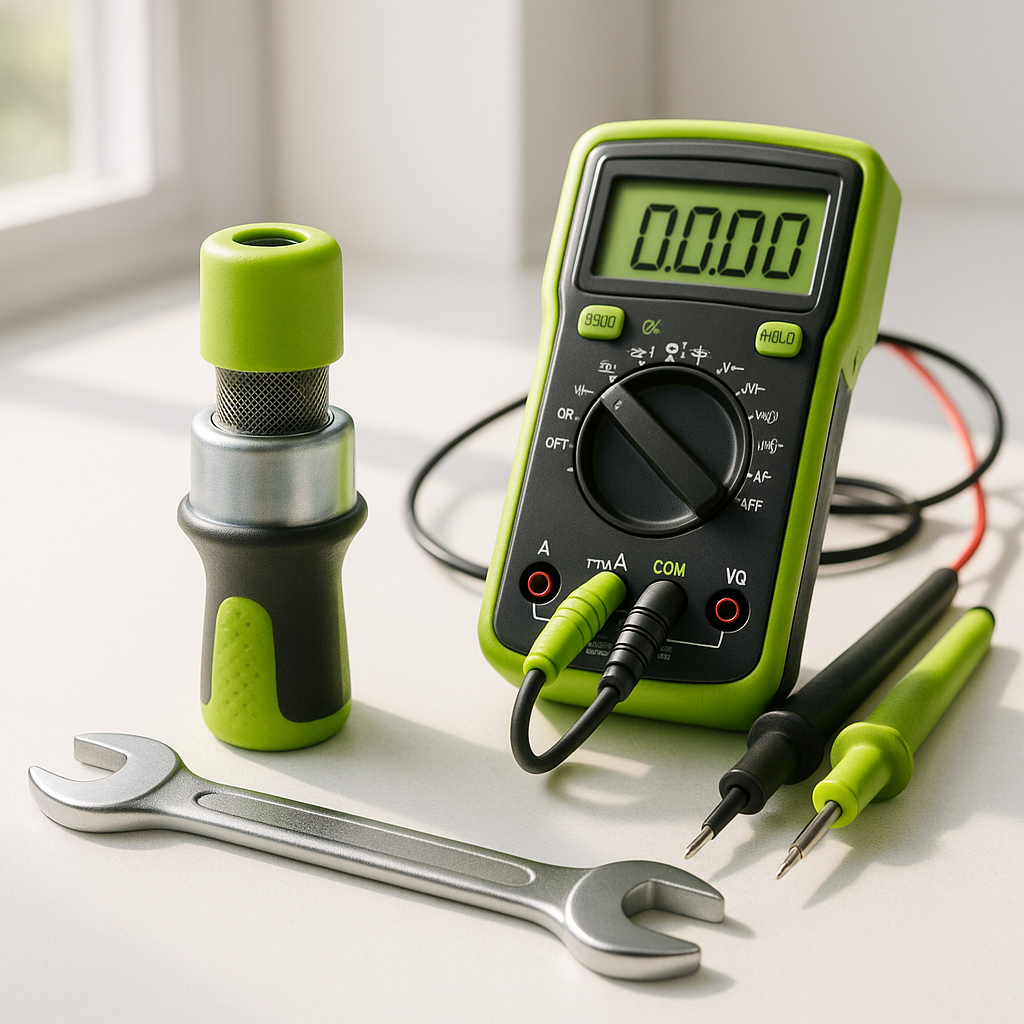
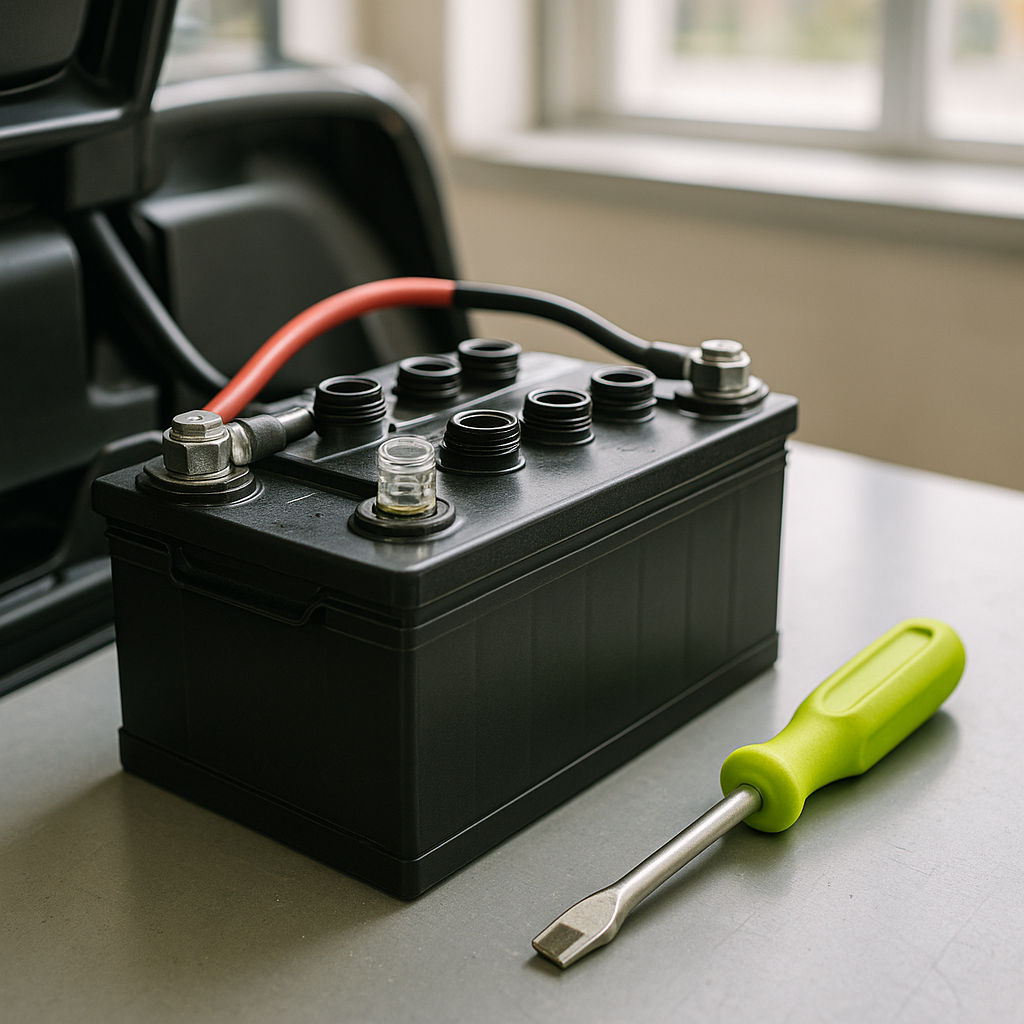
A musty smell that won't go away after cleaning usually points to mold or mildew that has worked its way into a foam seat cushion, under a floor mat, or into the fabric of a seat cover. If the smell is more chemical or acidic — sometimes described as a rotten egg or sharp sulfur odor — that's a different problem entirely: it likely means one or more batteries are off-gassing, which happens when a flooded lead-acid battery is overcharged or has a bad cell. That's not an interior problem you can fix by cleaning; you need to inspect and test your batteries. Never ignore a sulfur smell in a golf cart — it indicates a charging or battery issue that needs attention beyond cosmetic fixes.
Cleaning Stains Without Making Things Worse
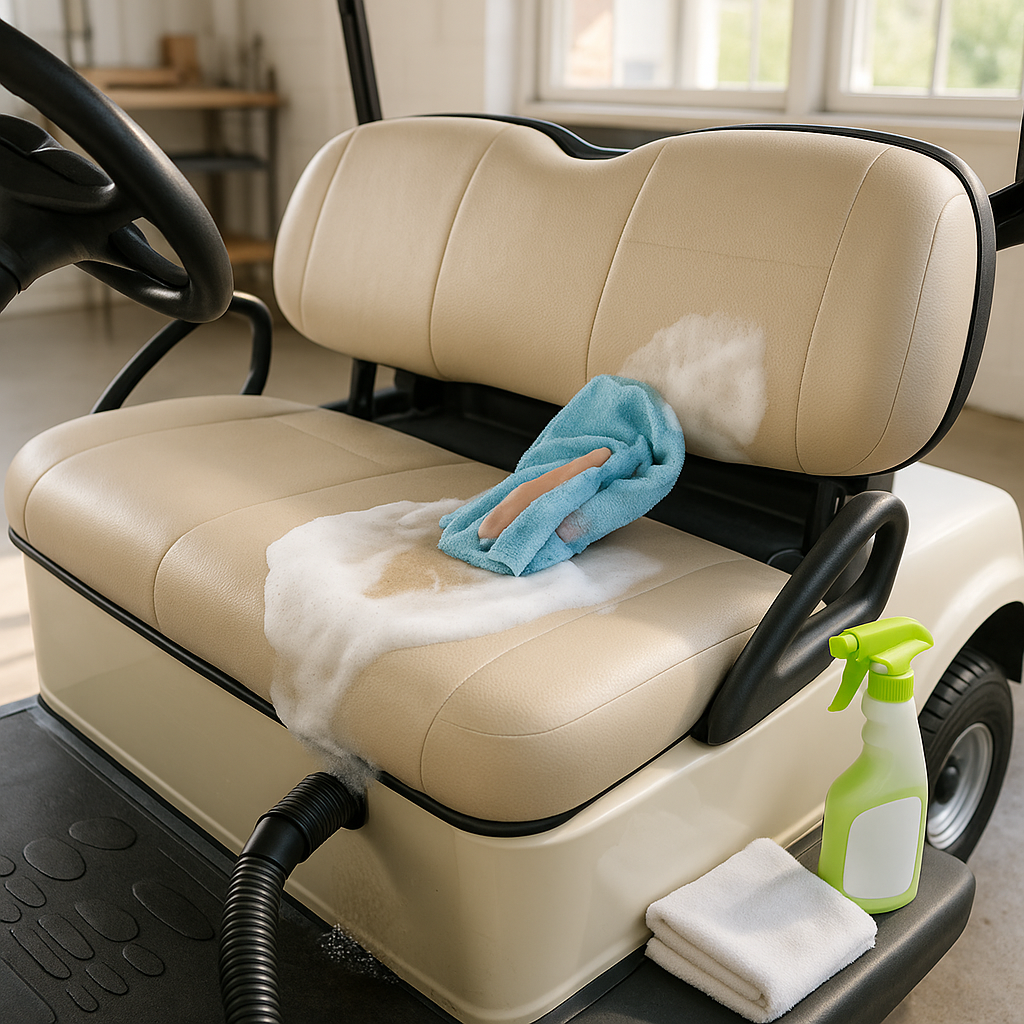
Grass stains, mud, mildew spots, and beverage spills all respond differently. Most vinyl seat surfaces can be cleaned with mild soap and water or a purpose-made vinyl cleaner — avoid harsh solvents that can dry out and crack vinyl over time. Fabric seat covers generally need to come off for a proper cleaning rather than being scrubbed in place, where moisture can soak through to the foam underneath and create the exact mold problem you're trying to fix. For floor mats, a stiff brush and a rinse with a garden hose works well, but the critical step is letting them dry fully in the sun before putting them back in the cart. A mat that goes back in even slightly damp will smell within days.
Checking the Seat Foam and Cushion Base
If you've cleaned the seat cover and the smell or staining keeps coming back, the foam cushion itself may be saturated. Foam that has absorbed water, mildew, or years of sweat can hold odors that no surface cleaning will reach. Remove the seat cover and inspect the foam directly — discoloration, soft spots, or a smell that's clearly coming from the foam itself means the foam needs to be replaced, not just dried out. Replacement foam cut to the right size is inexpensive, and this step alone fixes a lot of long-standing interior odor problems that owners have been chasing for years with cleaning products.
Preventing the Problem from Coming Back
Once you've cleaned, dried, and fixed whatever was letting water in, the goal is to keep things dry going forward. A cart cover that fits properly makes a significant difference for carts stored outdoors or in open carports — even a light rain can soak an uncovered interior through the open sides. Rubber or molded floor liners that have raised edges contain spills and mud better than flat mats and are far easier to pull out and rinse off. Seat covers that are waterproof or water-resistant on the outer layer protect the foam underneath from rain and spills. None of these fixes are complicated, but staying consistent with them is what keeps an interior in good shape long-term.
Interior problems in golf carts are almost always about moisture — either where it's coming from, where it's hiding, or how long it's been sitting. Work through these checks methodically, fix the source before replacing anything cosmetic, and you'll end up with a cart that stays clean and dry instead of one that smells like a locker room every time you climb in.