The motor controller is the brain of your electric golf cart's drivetrain. It takes input from the throttle, reads battery voltage, and tells the motor exactly how much power to deliver. When it fails — partially or completely — the symptoms can look like a dead battery, a bad solenoid, or a seized motor. That overlap is exactly why controller diagnosis gets skipped or misdiagnosed. Working through this methodically saves you from replacing parts that don't need replacing.
Common Symptoms of a Failing Controller
Controller problems tend to show up in a few recognizable ways. Sudden loss of power or a cart that cuts out under acceleration are classic signs. So is a cart that moves at reduced speed no matter how far you press the pedal, or one that lurches and hesitates rather than accelerating smoothly. A cart that won't move at all but still clicks the solenoid is another red flag. In some cases the controller gets extremely hot during normal use, or you notice a burnt smell near the controller housing. Any of these warrant a closer look at the controller specifically — not just the batteries or solenoid.
Start With the Basics Before You Touch the Controller
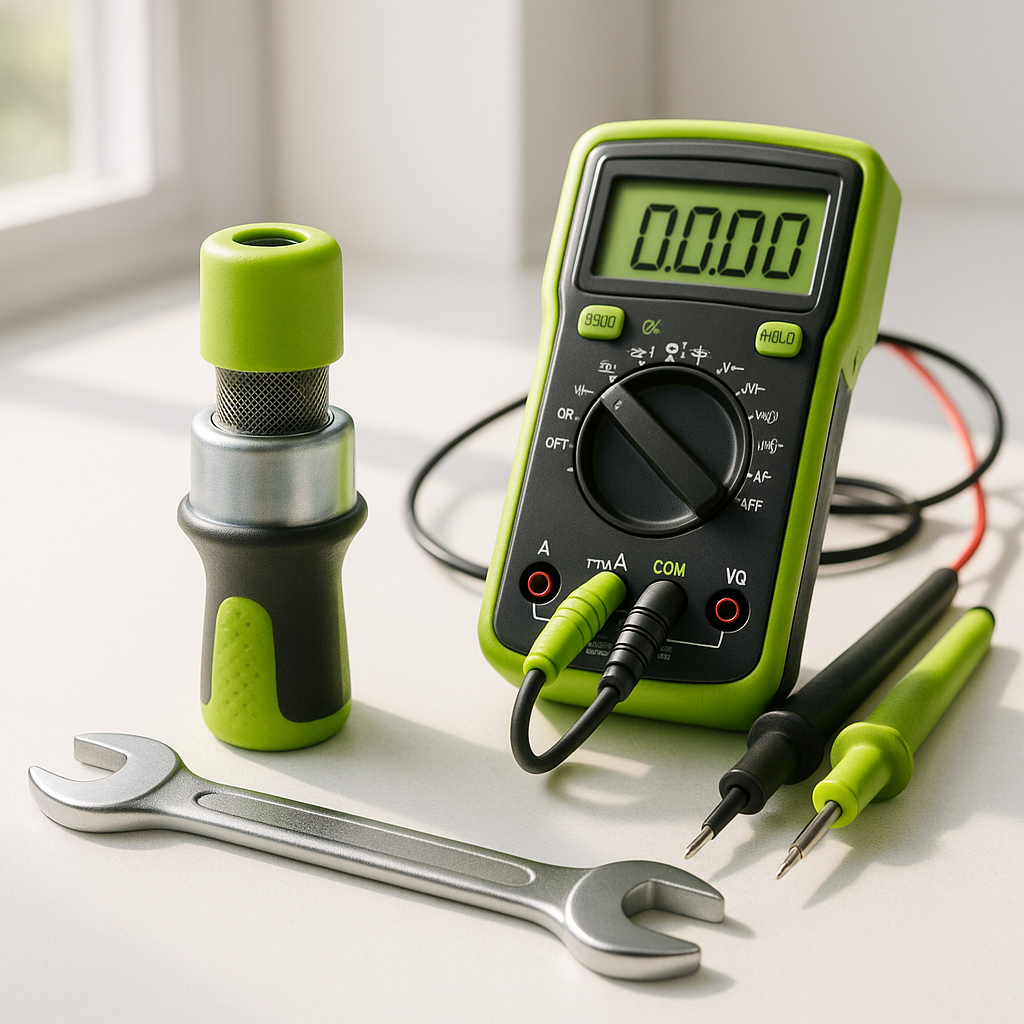
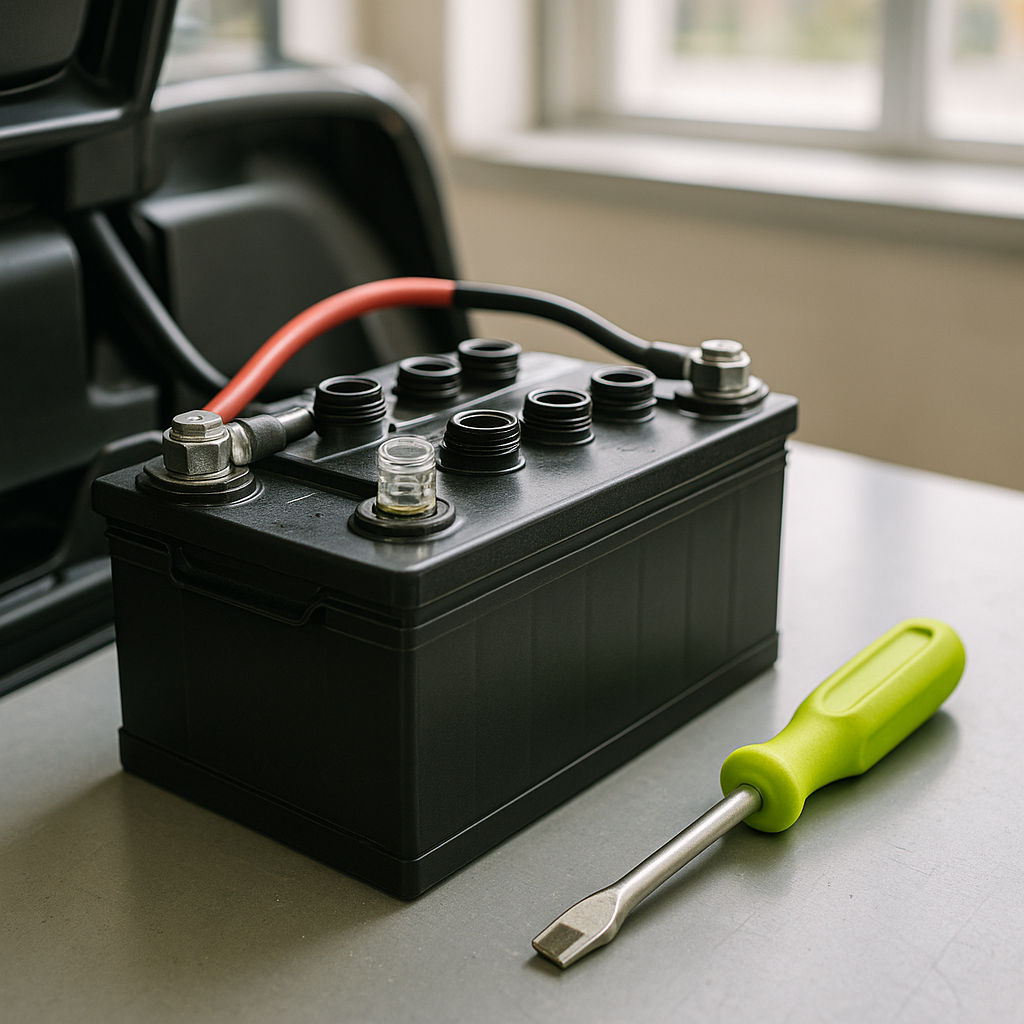
Before assuming the controller is at fault, rule out the obvious. Check your battery pack voltage with a multimeter — a pack that reads significantly low under load will cause symptoms that look exactly like controller failure. Inspect all battery cables and terminal connections for corrosion or looseness. Verify the solenoid is functioning — you should hear it click when you press the pedal. Check the key switch and make sure the forward/reverse switch is making good contact. A controller gets blamed for a lot of problems that are actually upstream of it. Only proceed to controller-specific checks once you've confirmed the rest of the circuit is sound.
Check Controller Input and Output Voltage
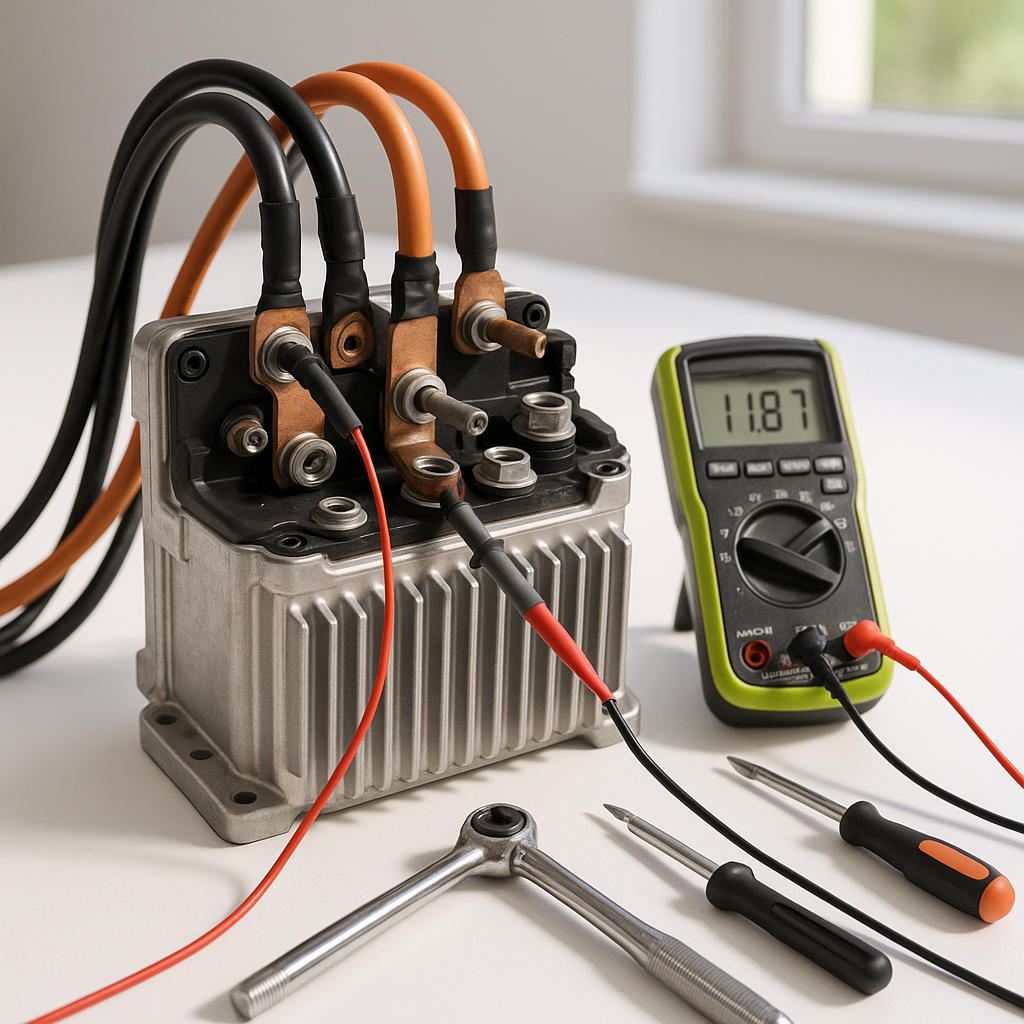
With a multimeter set to DC voltage, confirm the controller is receiving full battery pack voltage at its main input terminals when the cart is keyed on. No voltage at the input means the problem is before the controller — look at the main fuse, key switch, or solenoid. If input voltage is present and correct, check whether the controller is sending output voltage to the motor when you press the throttle. No output despite good input voltage points strongly toward the controller itself. Some controllers also have a small internal fuse or fault LED — check your cart's service manual to see if yours has either, and inspect them before condemning the unit.
Inspect the Throttle Signal
Most modern electric golf carts use a throttle position sensor or inductive throttle (ITS) rather than a simple resistor-based pot. The controller reads this signal to determine how much power to deliver. A faulty throttle can produce the same symptoms as a bad controller — no acceleration, erratic response, or a cart stuck at one speed. With a multimeter, verify the throttle is producing a changing signal as you depress the pedal. A signal that doesn't change, or sits at zero or maximum regardless of pedal position, tells you the problem is in the throttle input, not the controller. Swap or repair the throttle before replacing anything else.
Look for Heat Damage and Physical Signs
Remove the controller from the cart and inspect it carefully. Burn marks, swollen or cracked housing, melted wiring near the terminals, or a strong burnt electronics smell are all signs of internal failure. Controllers can fail from sustained overload — running a cart with low batteries, heavy loads on steep terrain, or a dragging brake all force the controller to work harder than it's rated for. Physical damage is usually definitive: a controller with burn marks is done. Also check that the controller's heat sink has been making good contact with its mounting surface — poor thermal transfer causes heat-related failure over time and is easy to miss.
When to Replace vs. Repair
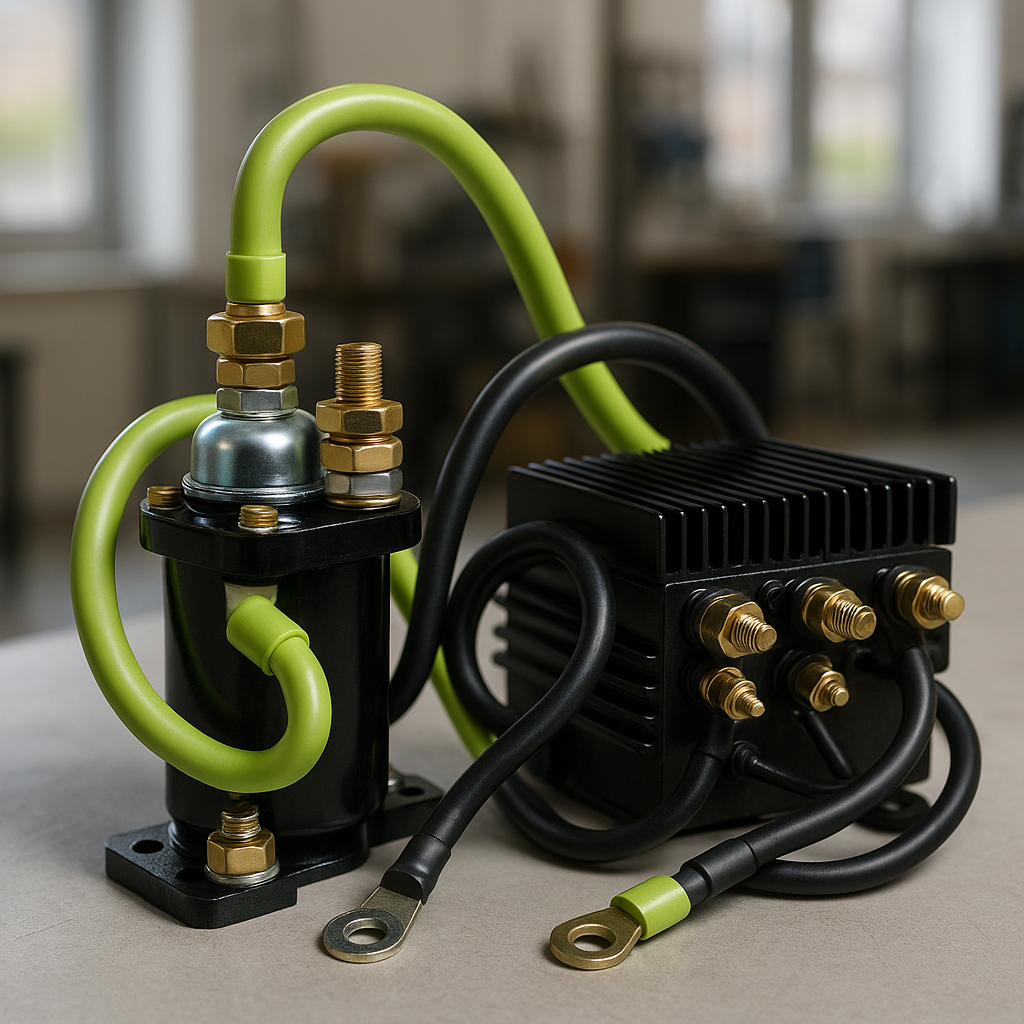
Motor controllers are generally not field-repairable by most owners. The internal components operate at high current and any repair requires electronics expertise and proper equipment. If your diagnostics point clearly to the controller — good input voltage, good throttle signal, no output, no blown upstream fuses — replacement is the practical answer for most people. When sourcing a replacement, match the voltage and amperage rating to your cart's original spec, and confirm compatibility with your specific cart model and year. Installing a controller with the wrong voltage rating or insufficient amperage for your motor is a common and expensive mistake.
After Replacement: Verify the Root Cause
A controller that fails prematurely usually has a reason. Before you close everything up after installing a replacement, think about what killed the original. Consistently low battery voltage, a dragging brake creating extra load, undersized wiring that runs hot, or a shorted motor winding can all take out a new controller just as fast as the old one. Test your motor's resistance to ground and between windings to rule out a short. Check that your battery pack is in good health. Make sure the replacement controller is properly mounted with good thermal contact. Fixing the controller without addressing the underlying cause is a temporary repair at best.