A solenoid that clicks is actually good news — it tells you the cart's control circuit is working and sending a signal. The frustrating part is that a clicking solenoid with no movement still leaves you stranded, and the root cause could be anywhere from a weak solenoid to a dead motor to corroded battery cables. This guide walks you through the most common causes and how to check them systematically so you're not just swapping parts and hoping.
Understand What the Click Actually Means
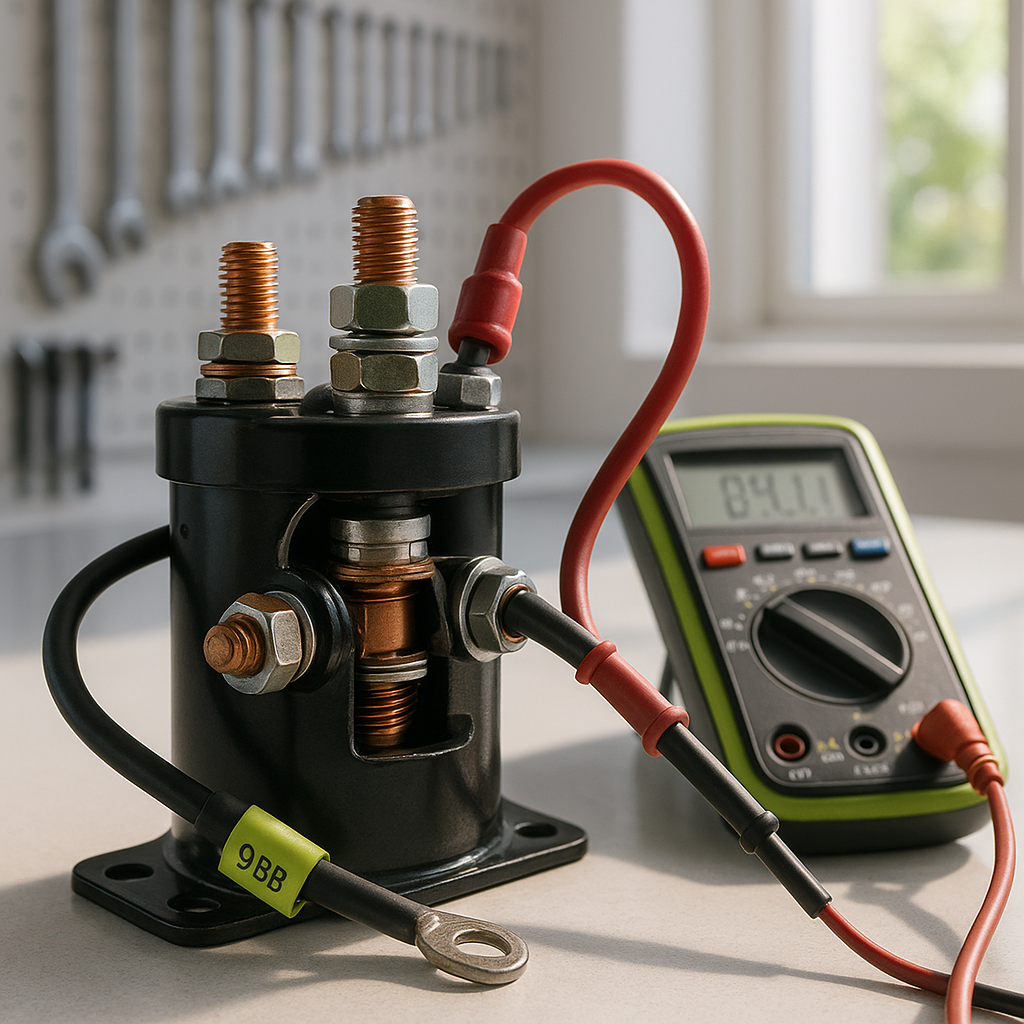
The solenoid is essentially a high-current relay. When you press the accelerator, a low-voltage signal from the controller energizes the solenoid's coil, which pulls a set of internal contacts together to complete the high-current circuit between the batteries and the motor. That audible click is the contacts snapping together. If you hear it, the coil is energized — but that doesn't mean the contacts are actually passing current. Burned, pitted, or corroded contacts inside the solenoid can click without conducting, which is one of the most common failure modes.
Check 1: Voltage Drop Across the Solenoid
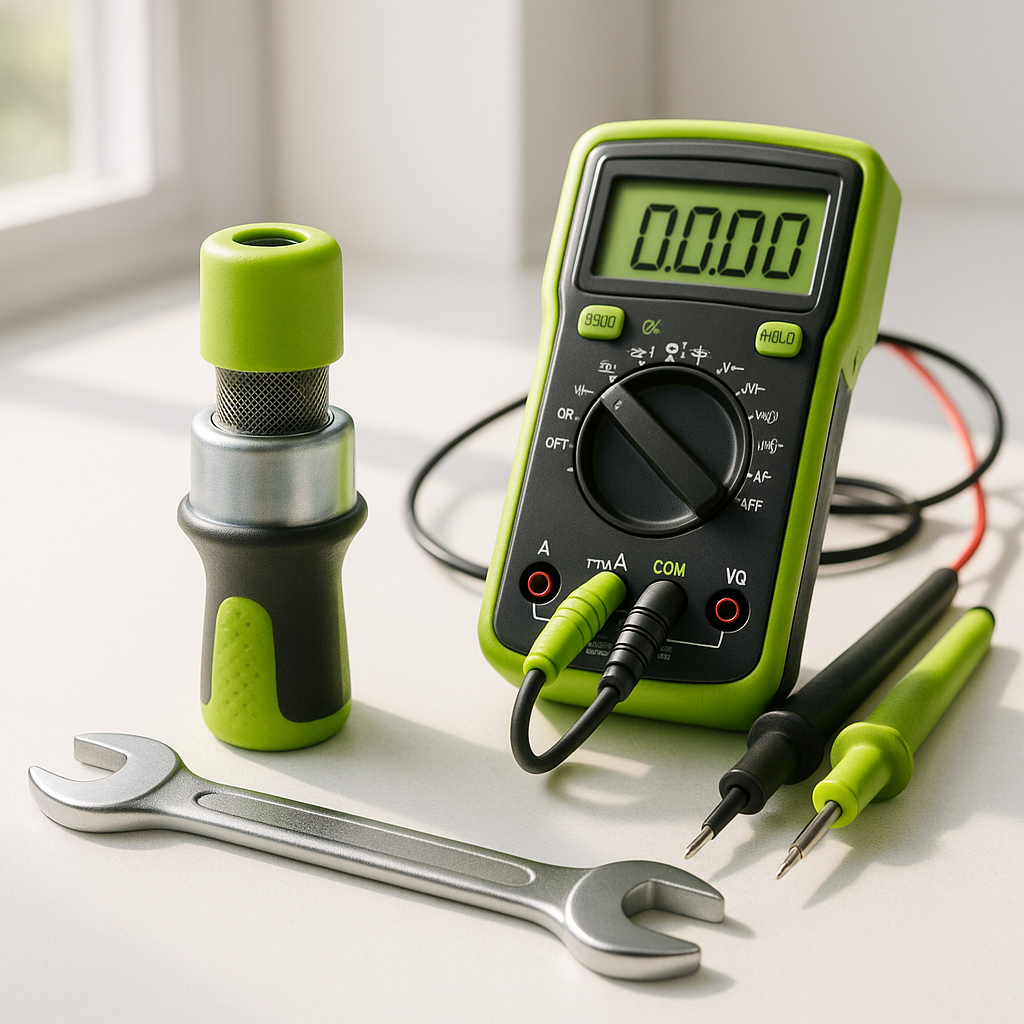
With a basic multimeter set to DC voltage, check the voltage coming into the solenoid from the battery pack and the voltage on the output side going to the motor — do this with the cart in drive and the pedal depressed (carefully, with the cart safely chocked). If full pack voltage is arriving at the solenoid input but you're seeing little to no voltage on the output side when the solenoid clicks, the internal contacts have failed. The solenoid needs to be replaced. If voltage is passing through normally, the solenoid itself is doing its job and you need to look further down the circuit.
Check 2: Battery Pack Voltage Under Load
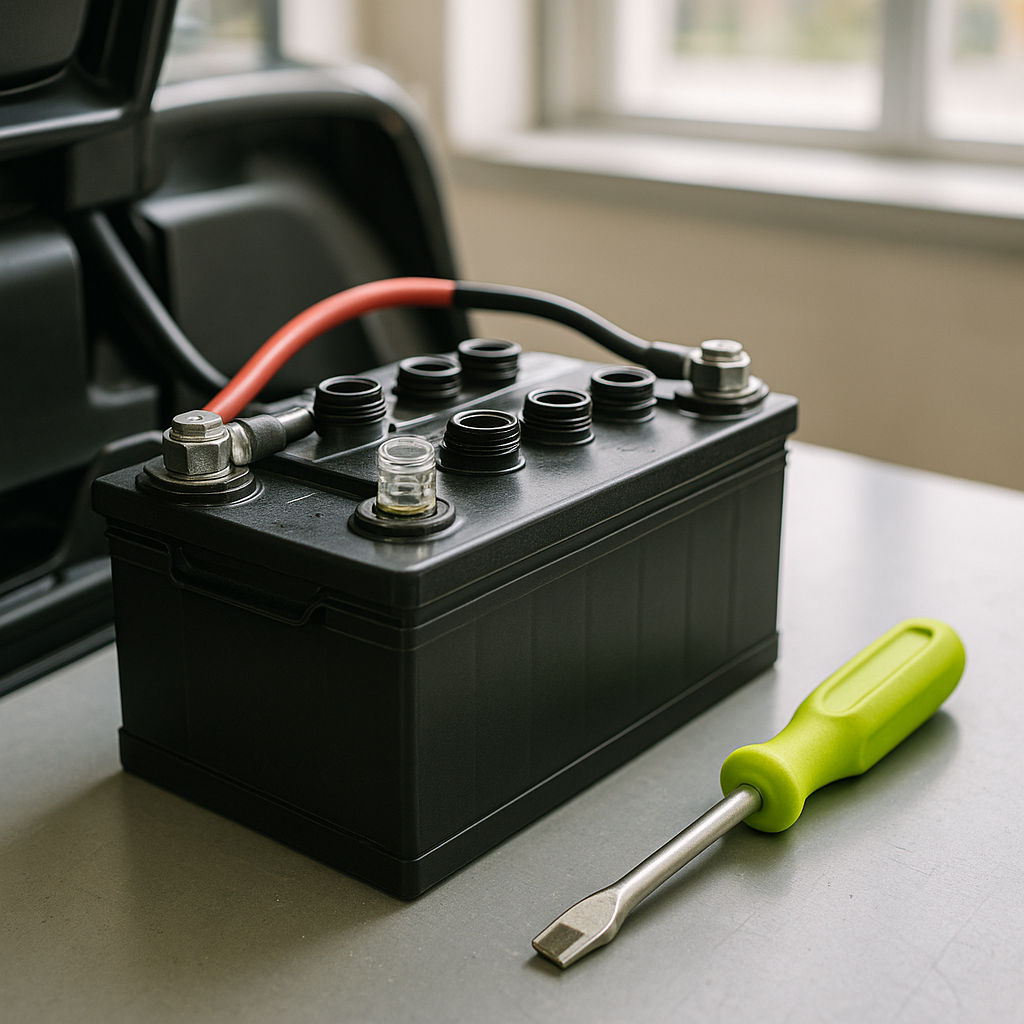
A solenoid can click fine at rest while the batteries are too weak to actually power the motor under load. Check your total pack voltage with a multimeter — and more importantly, check it again with the pedal pressed and the cart trying to move. A healthy pack should hold very close to its rated voltage under load. If the voltage sags significantly the moment you ask the cart to move, weak or dead batteries are starving the motor. Test each battery individually to find the weak cell or cells dragging down the whole pack.
Check 3: Cable and Connection Condition
Even when voltage looks acceptable, resistance from corroded or loose cables can prevent enough current from reaching the motor. Inspect every large cable in the main power circuit — battery terminals, solenoid terminals, controller connections, and motor terminals. Look for white or blue corrosion buildup, loose terminal nuts, frayed cable ends, or heat discoloration, which indicates a connection that's been running hot due to high resistance. Clean corroded terminals thoroughly and ensure every connection is tight. A bad cable can mimic a bad solenoid or a bad motor, so don't skip this step.
Check 4: The Motor Itself
If voltage is reaching the motor correctly and the cables are clean, the motor may be the problem. A seized motor, worn brushes, or an open armature winding can all prevent movement even when the solenoid is functioning. With the cart safely lifted so the wheels are off the ground, apply power and listen — a motor trying to turn but mechanically seized will often hum or buzz rather than run freely. A motor with completely failed windings may make no sound at all despite receiving power. Motor testing beyond basic checks generally requires a shop or specialized equipment, but ruling out everything else first prevents an unnecessary motor replacement.
Check 5: Controller and Safety Switches
The solenoid only clicks when the controller tells it to — but the controller won't command the solenoid to stay engaged if it's seeing a fault. On many carts, the forward/reverse switch, the run/tow switch, and various safety interlock switches all feed into this circuit. A switch that is partially failing can allow the solenoid to click on initial pedal press but immediately cut out, or can prevent the main drive circuit from ever fully closing. Check that the run/tow switch is firmly in the run position, the F&R switch is making clean contact, and that any seat or brake safety switches are functioning correctly.
When to Replace the Solenoid
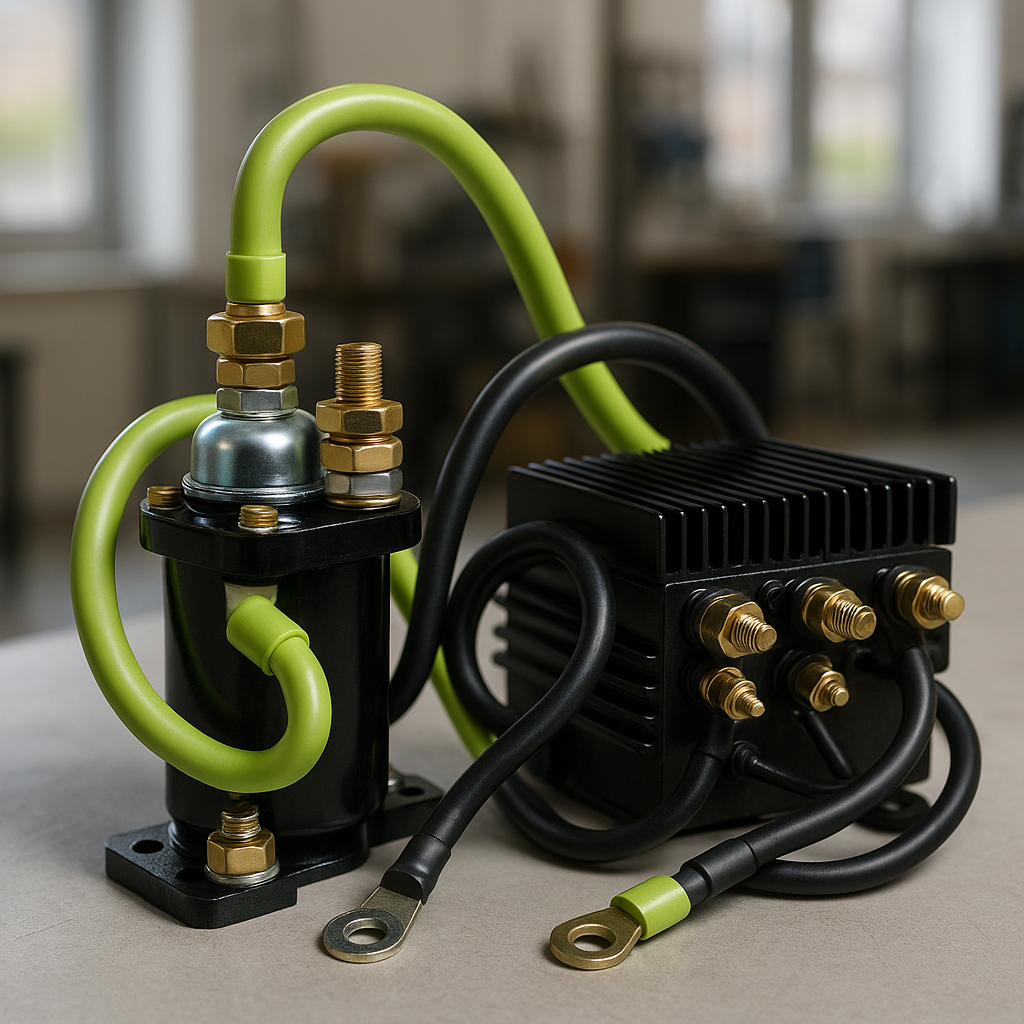
If your voltage drop test confirms the solenoid is clicking but not passing current, replacement is straightforward and relatively inexpensive compared to other drivetrain repairs. Make sure any replacement solenoid matches your cart's system voltage — running a solenoid at the wrong voltage will cause premature failure or immediate damage. Beyond voltage, verify the terminal configuration and coil resistance specs are appropriate for your cart model. When in doubt, cross-reference the original part number. A properly matched solenoid installed with clean, tight connections should give you years of reliable service.