Hearing a click when you press the accelerator is actually good news — it confirms your solenoid is at least receiving a signal and the coil is energizing. But a click without movement means something in the circuit isn't completing the way it should. This is one of the more common and diagnosable problems on electric golf carts, and working through it methodically will usually point you straight to the culprit without guessing.
Understand What the Solenoid Actually Does
A solenoid is essentially a high-current relay. When you press the pedal, a low-voltage signal energizes the solenoid coil, which pulls a set of internal contacts together and closes the main power circuit between your batteries and motor controller. That's the click you hear — the coil pulling in. What you need for the cart to actually move is those main contacts completing a solid, low-resistance connection. If the contacts are pitted, burned, or worn, they may close partially or arc without delivering usable current. A click confirms coil function but tells you nothing about contact health.
Start With Battery Voltage
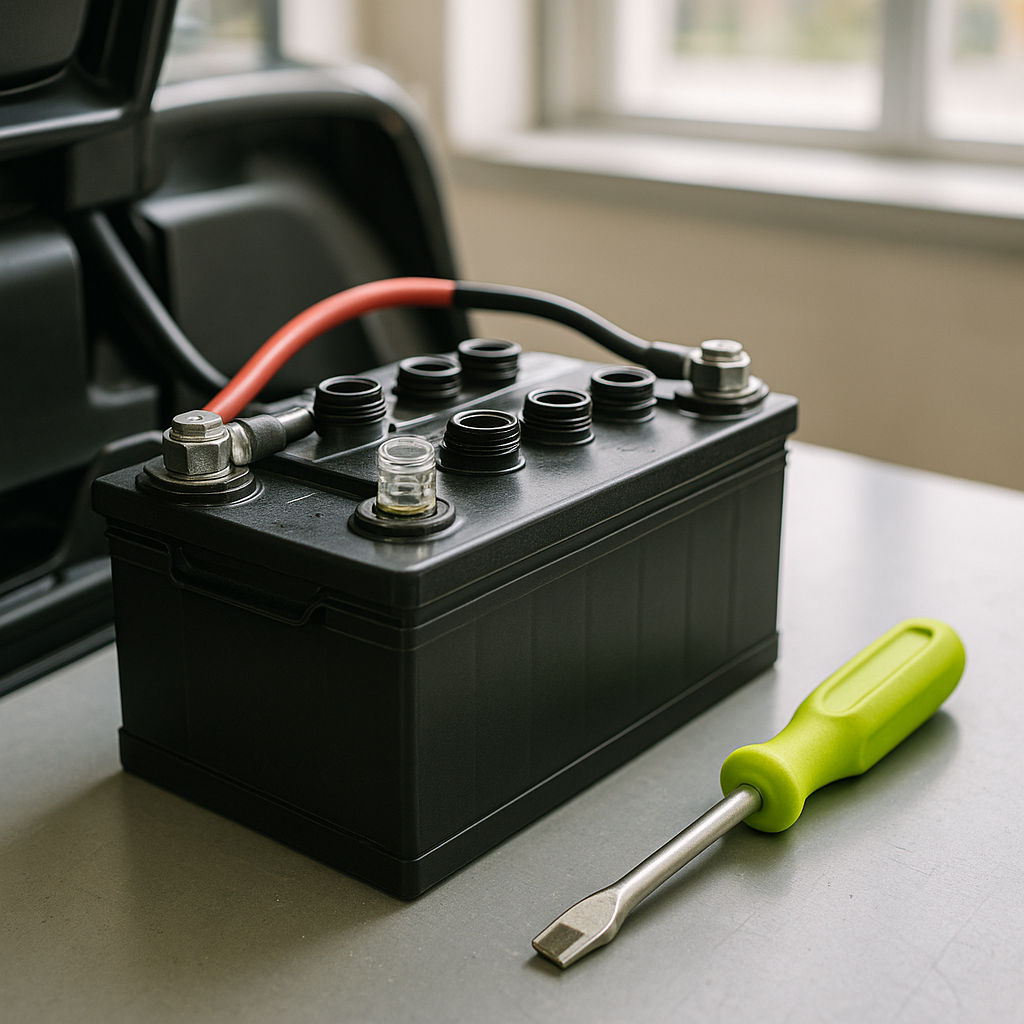
Before blaming the solenoid itself, check your battery pack voltage under load. A pack that reads acceptable at rest can drop significantly the moment it has to drive a motor. If voltage collapses when you press the pedal, your batteries may not have enough capacity to hold the circuit closed and power the motor simultaneously. Test each individual battery if you can — one weak or dead cell in the pack drags the whole system down and mimics solenoid or controller failure. This step eliminates the most common false-positive before you start pulling components.
Check the Solenoid's Main Terminals
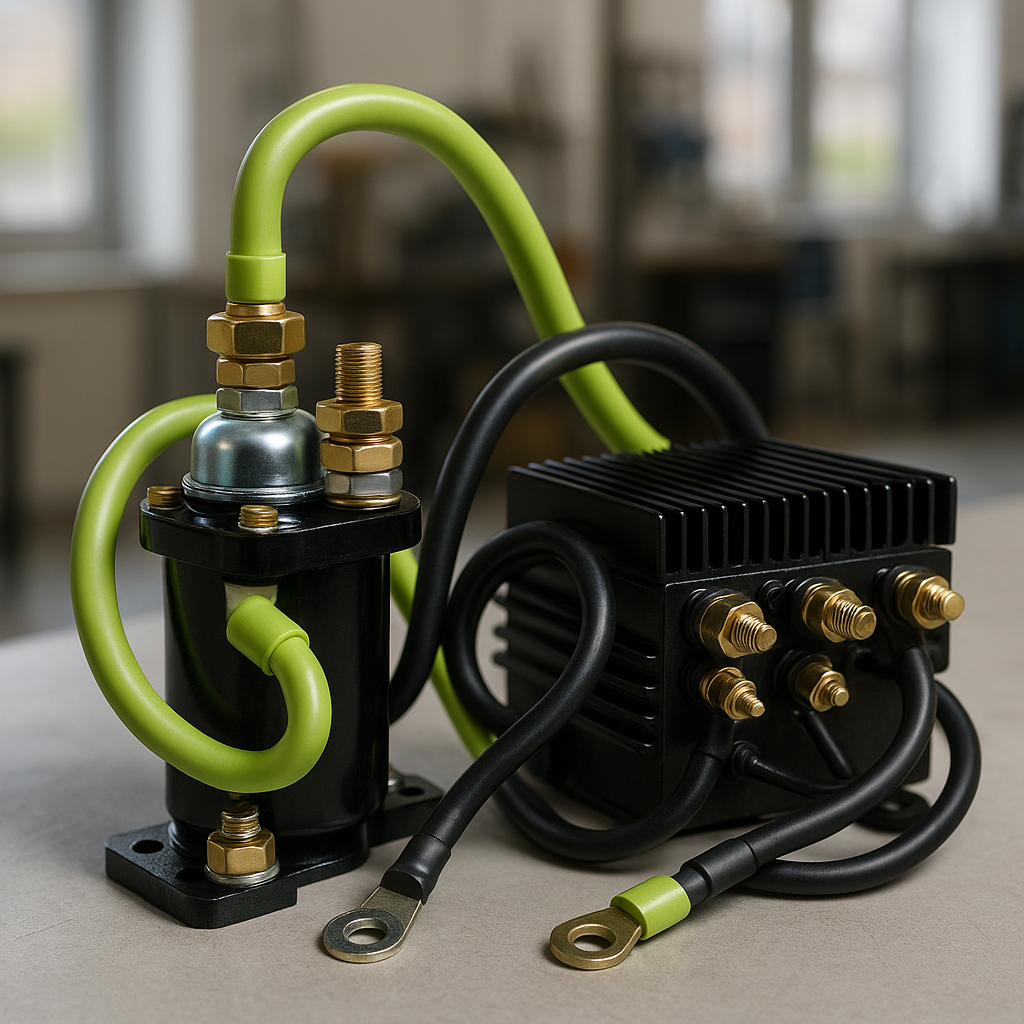
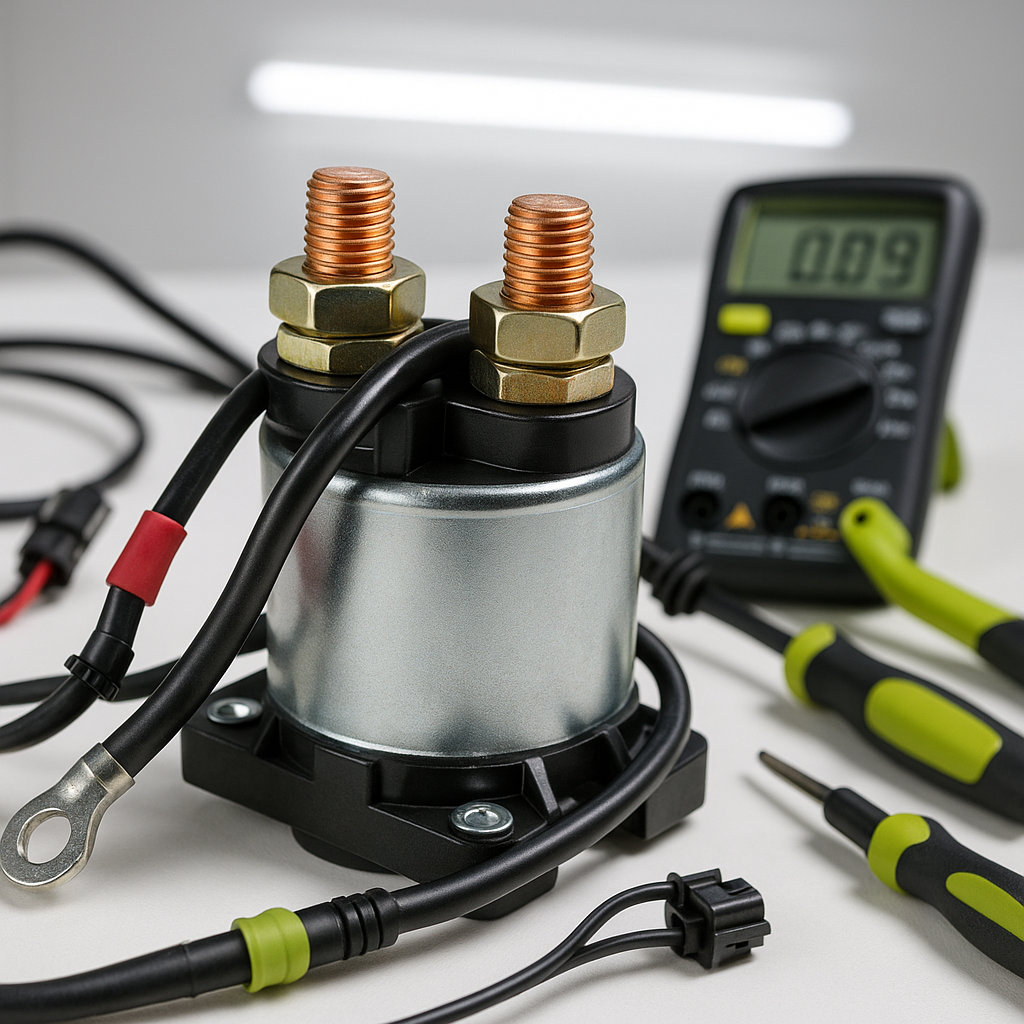
With the cart off and key removed, visually inspect the large posts on the solenoid — these carry the full battery current. Look for corrosion, heat discoloration, or terminals that feel loose when you wiggle them. A poor connection at those main lugs creates resistance that can prevent enough current from reaching the motor, even when the solenoid contacts are functioning. Clean corroded terminals with a wire brush, make sure the cable lugs are tight, and look at the condition of the cables themselves — cracked or undersized cables are often overlooked. Do the same for the small coil terminals, which carry the low-voltage trigger signal.
Test Voltage Across the Main Contacts
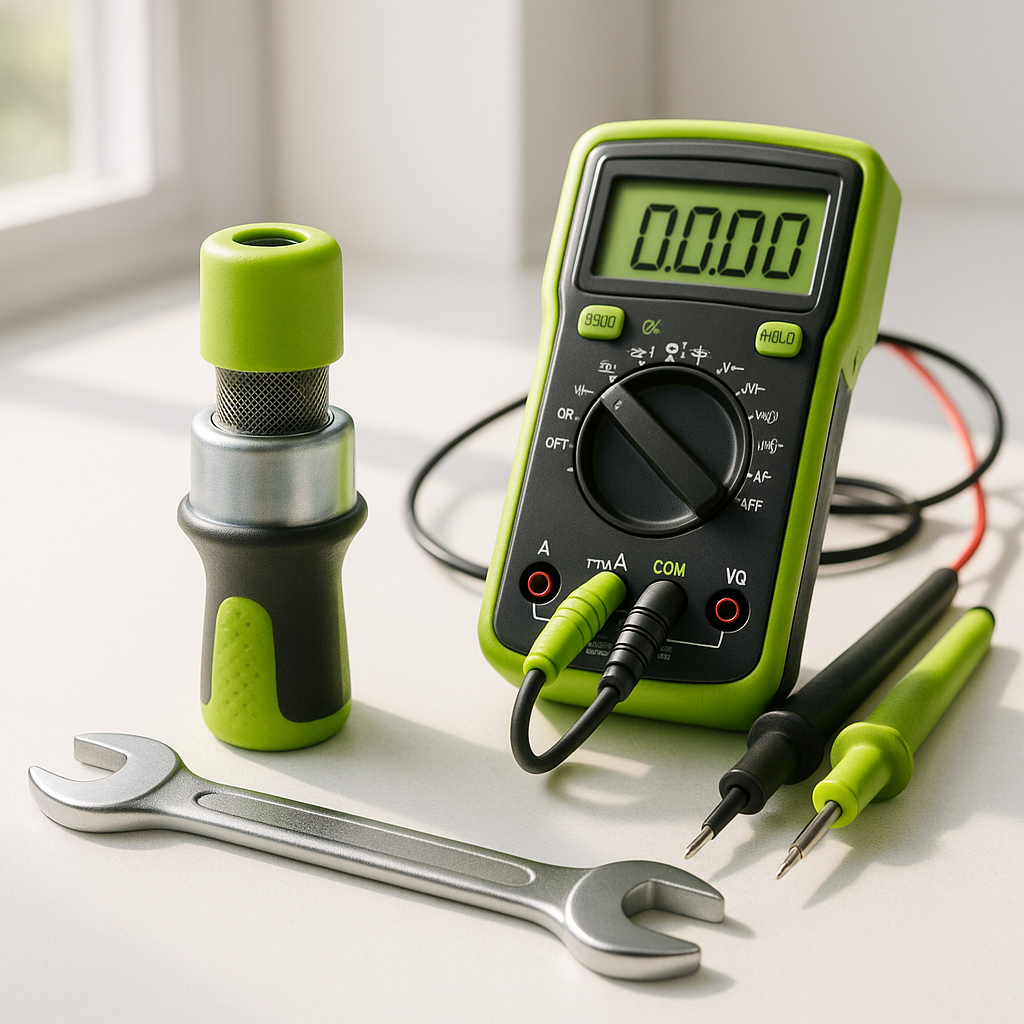
With a multimeter set to DC voltage, probe the two large terminals on the solenoid while a helper presses the accelerator. If you read close to zero volts across those terminals when the pedal is pressed, the contacts are closing properly and the problem is downstream — look at your motor or controller. If you read significant voltage (close to pack voltage) across the terminals while the pedal is pressed, that voltage drop tells you the contacts are not completing the circuit cleanly. That's a strong sign the solenoid's internal contacts are burned or pitted and the solenoid needs replacement. This single test is the fastest way to confirm or rule out a failed solenoid when it clicks but nothing happens.
Don't Overlook the Trigger Circuit
If the solenoid clicks inconsistently — sometimes working, sometimes not — the problem is often in the low-voltage coil circuit rather than the main contacts. The coil receives its signal from the throttle/pedal position sensor, key switch, forward/reverse switch, or a combination of these depending on your cart's design. A faulty key switch that drops out, a marginal connection at the F/R switch, or a throttle sensor on its way out can all produce intermittent solenoid engagement that looks like a solenoid problem but isn't. If swapping the solenoid doesn't fix an intermittent click, trace the trigger wire circuit back toward the switch stack.
When to Replace the Solenoid
If your voltage drop test confirms the main contacts aren't passing current cleanly, or if you find visible burn marks and pitting on the contact faces when you open or inspect the unit, replacement is the right call. Solenoids are a wear item — the contacts erode over time from repeated arcing under load, and there's no reliable way to restore burned contacts to spec. Make sure any replacement matches your cart's system voltage and is rated for the current your motor draws. Installing an undersized solenoid on a higher-performance build is one of the most common reasons solenoids fail prematurely, so match capacity to your actual setup, not just the stock spec if you've made other modifications.
Diagnosing a clicking-but-dead golf cart is almost always methodical rather than mysterious. Work from batteries to connections to solenoid contact function to downstream components, and you'll isolate the failure without swapping parts blindly. Most of the time, the answer shows up clearly before you get very far down the list.