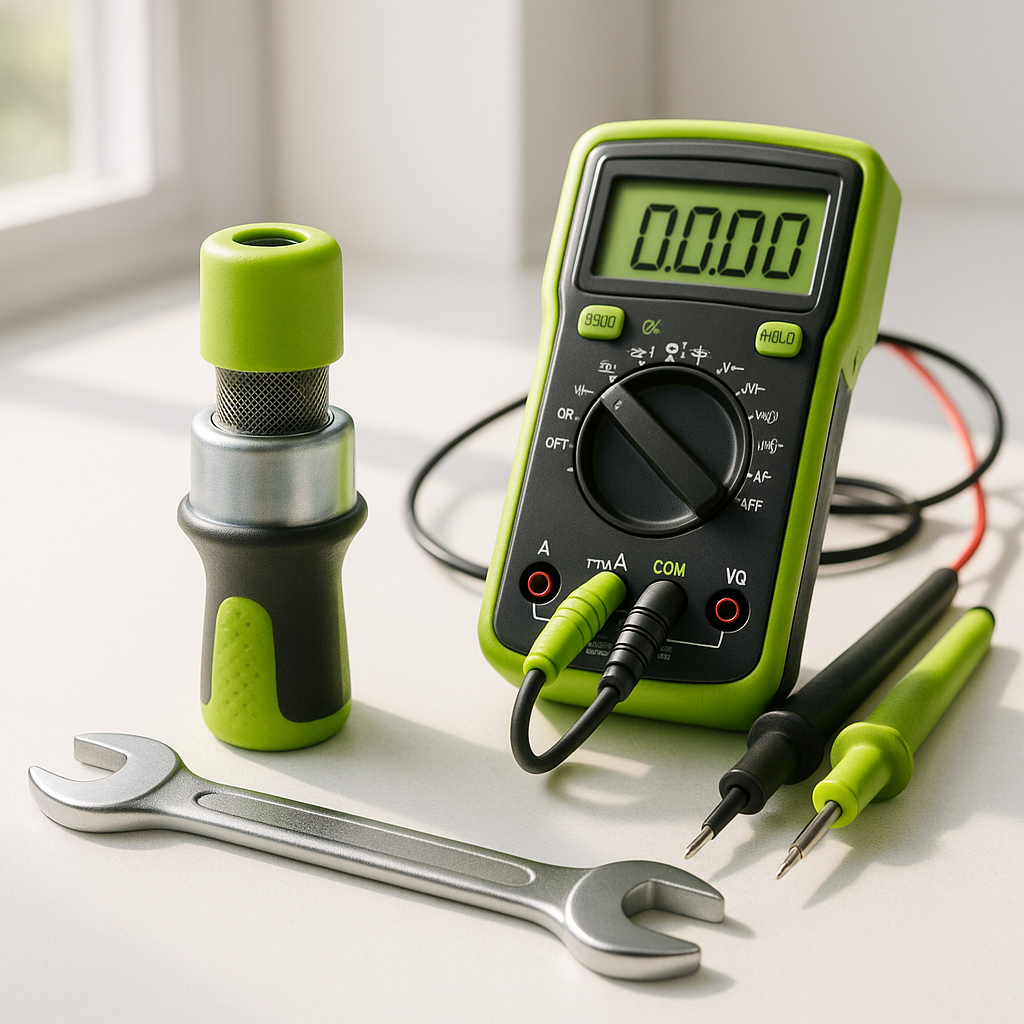
When you press the accelerator and hear one click but the cart doesn't move, a lot of owners immediately assume the solenoid is bad. Sometimes it is — but that click is actually useful information. It tells you the solenoid coil is energizing, which means power is reaching it and the control circuit is working to some degree. The real question is whether the solenoid's main contacts are closing properly and passing current to the motor. That distinction shapes your entire diagnostic approach.
Start With Battery Voltage
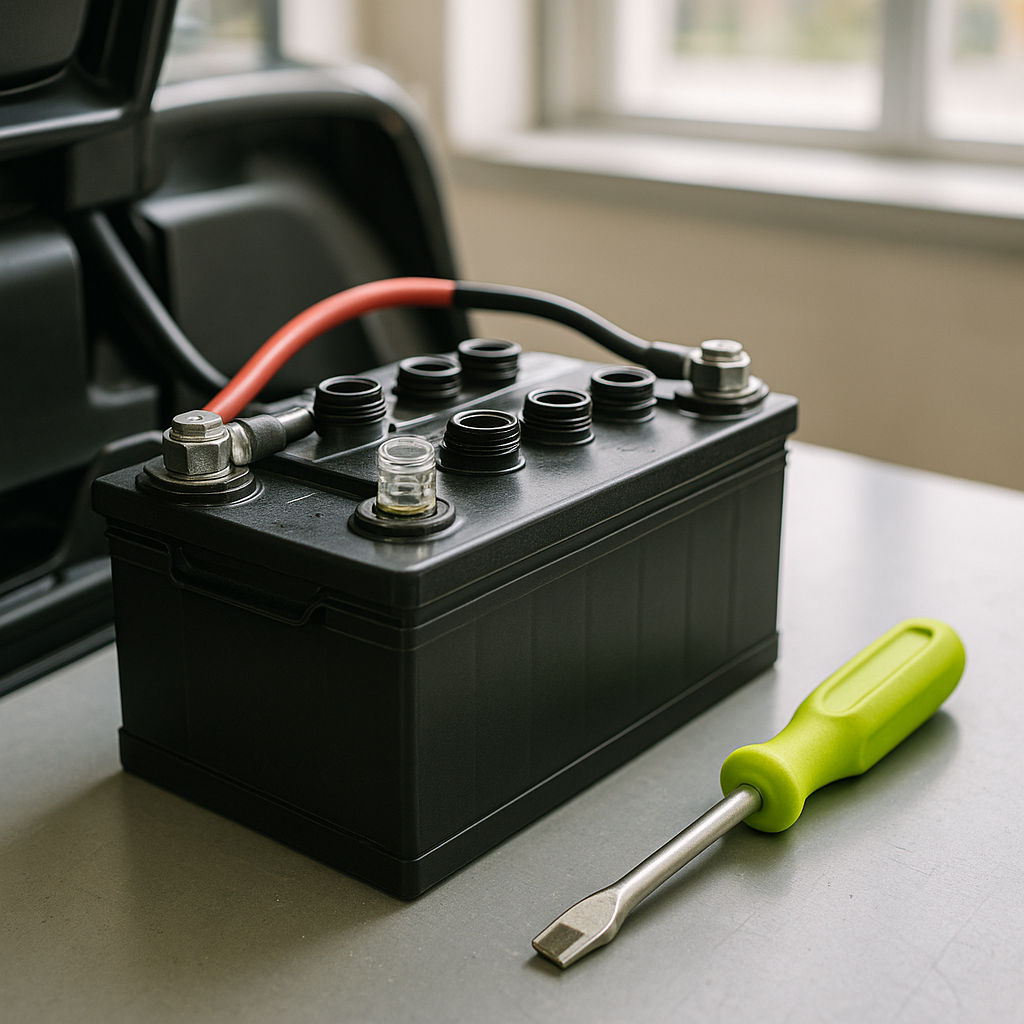
Before you touch the solenoid, check your battery pack voltage under load. A fully charged 48V pack should read close to its rated voltage at rest; under load it should stay reasonably close to that. If your batteries are significantly low or one battery in the pack has a dead cell, the solenoid may click but the motor won't get enough current to actually turn. This is one of the most common reasons for a click-but-no-move situation and it's easy to overlook if you assume the batteries are fine because they were recently charged. Test each battery individually with a load tester if you can — a weak cell won't always show up with a simple resting voltage check.
Check the Main Terminals for Voltage Drop
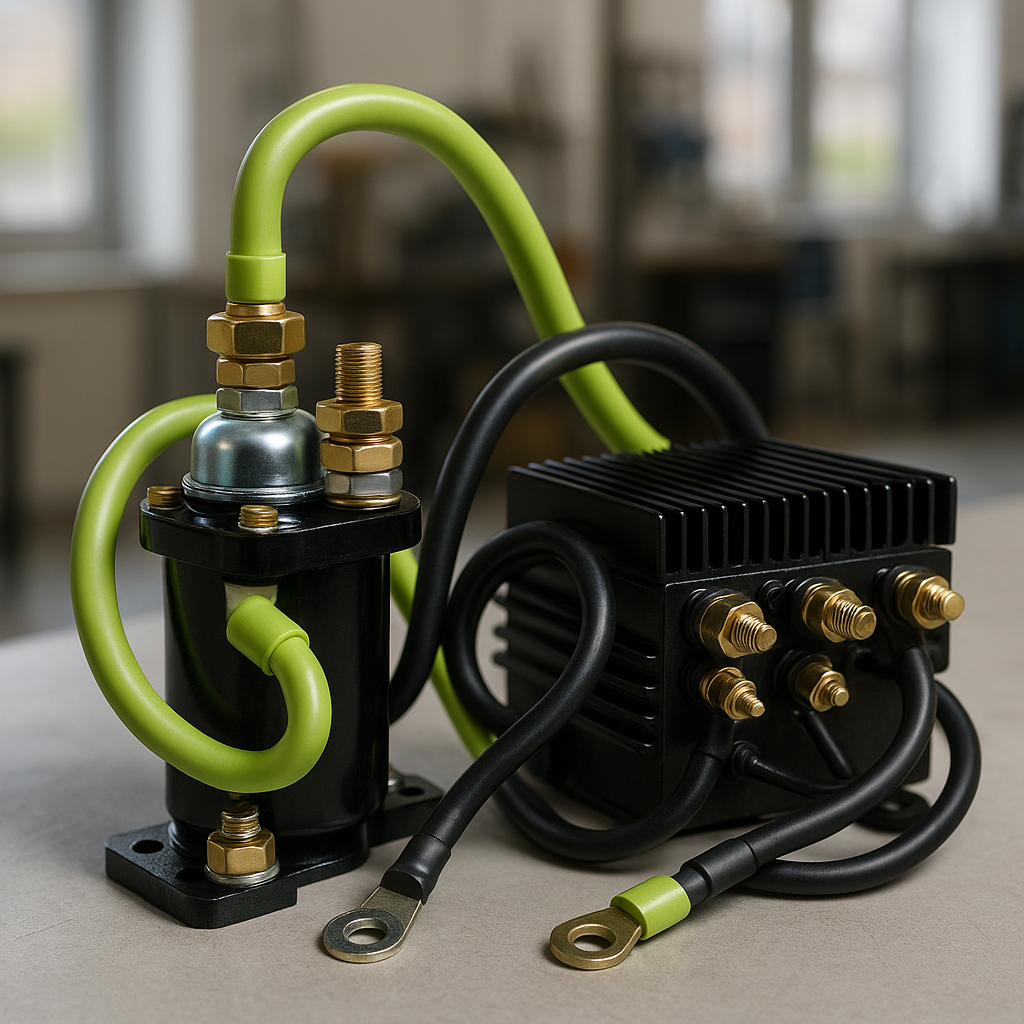
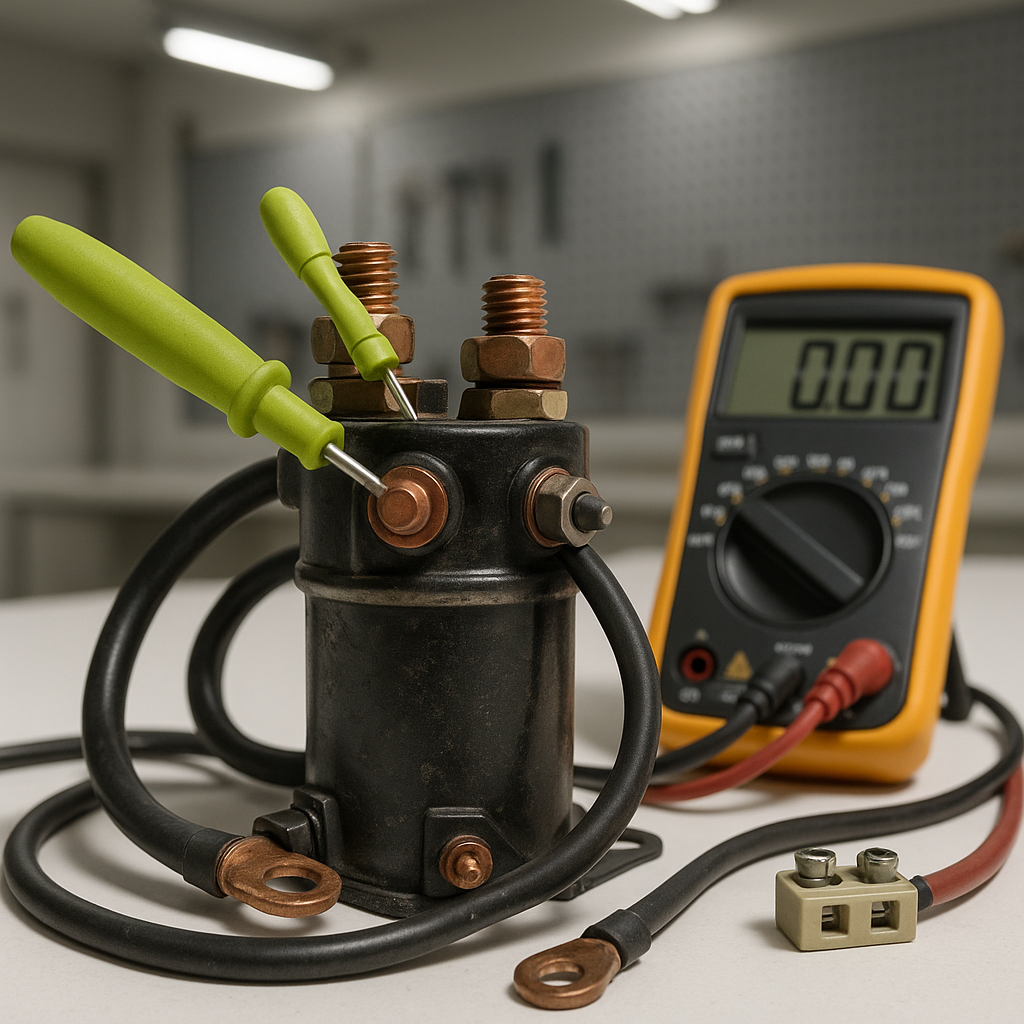
With a voltmeter, you can check whether the solenoid's main contacts are actually closing when you hear the click. Put your meter across the two large terminals on the solenoid — the ones connected to your heavy gauge cables. When the solenoid is open (cart at rest), you should see your pack voltage there. When you engage the accelerator and the solenoid clicks, voltage across those terminals should drop to near zero if the contacts are closing cleanly. If it stays high, the contacts aren't making a good connection — either they're burned, pitted, or the solenoid is failing to pull in fully. A small residual voltage is normal; a high one is a problem.
Inspect the Coil Terminals and Control Wiring
The two small terminals on the solenoid connect to the control circuit — typically the key switch, forward/reverse switch, and accelerator position sensor or micro switch, depending on your cart. If the coil is getting clean voltage at both terminals when you press the pedal, the solenoid coil itself may be open or burned. You can test coil resistance with a multimeter set to ohms — a good coil will show some resistance rather than zero (short) or infinite (open). Check the small terminal wiring for corrosion, looseness, or heat damage while you're in there, because a marginal connection here can cause inconsistent clicking or no click at all.
Look at the Main Cable Connections
Burned or loose connections on the heavy cables at the solenoid terminals are a frequent cause of heat buildup and poor contact. Disconnect the battery pack and inspect those cable ends carefully — look for green corrosion, heat discoloration, melted insulation, or terminals that spin freely on the stud (a sign the connection was never properly torqued or has loosened over time). Clean any corrosion with a wire brush, make sure all connections are tight, and check the opposite ends of those cables too. A bad cable end at the motor or at the battery connection can create the same symptom as a bad solenoid.
Test the Solenoid Directly
If the wiring checks out but you still suspect the solenoid, you can apply power directly to the coil terminals — typically 12V or 36V or 48V depending on your cart's control circuit design — and listen and feel for a strong, solid click with a definite mechanical snap. A weak or mushy click suggests the coil is weak or the contacts are sticking. You should also hear and feel a clean release when power is removed. Solenoids that are slow to release or that stick engaged can cause the cart to lurch or not stop properly, which is a separate but related failure mode worth noting while you have it out.
When Replacement Makes Sense
If your voltage drop test confirms the contacts aren't closing, the coil resistance is out of spec, or you find physical signs of burning and pitting on the contact faces, replacement is the right call. Solenoids are relatively inexpensive and not worth rebuilding in most cases. Make sure any replacement matches your cart's voltage rating and mounting configuration — a mismatch in voltage rating is a common mistake that causes premature failure. When you install the new unit, use dielectric grease on terminal connections, torque the cable ends properly, and double-check that your control wiring is clean and secure before buttoning everything back up.