Replacing a burned-out solenoid and having it fail again weeks or months later is one of the most frustrating problems in golf cart ownership. A solenoid is a high-current switching device, and when it fails repeatedly, it's almost never just bad luck — something in the system is stressing it beyond its design limits. The good news is that the root causes are well-established and methodical to track down. Before you put another solenoid in, work through this diagnostic first.
Understand What a Solenoid Actually Does
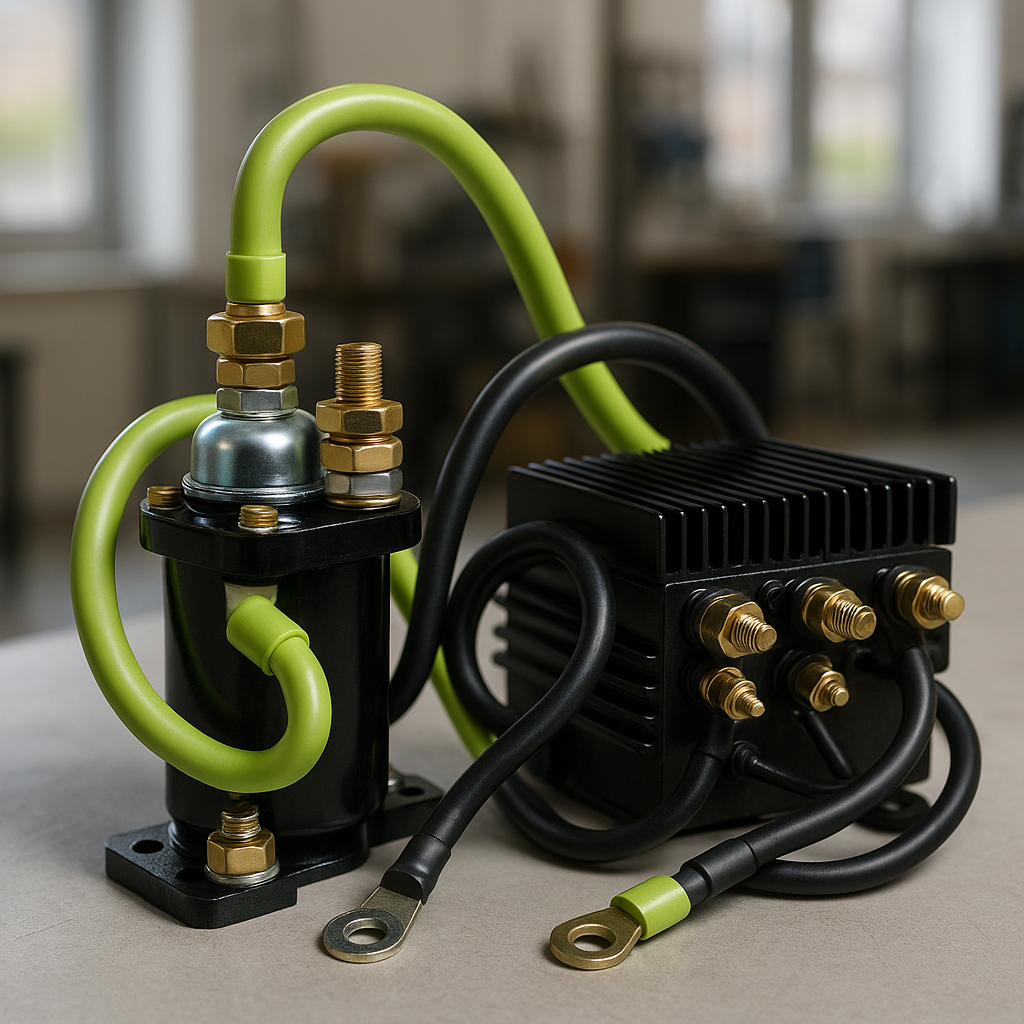
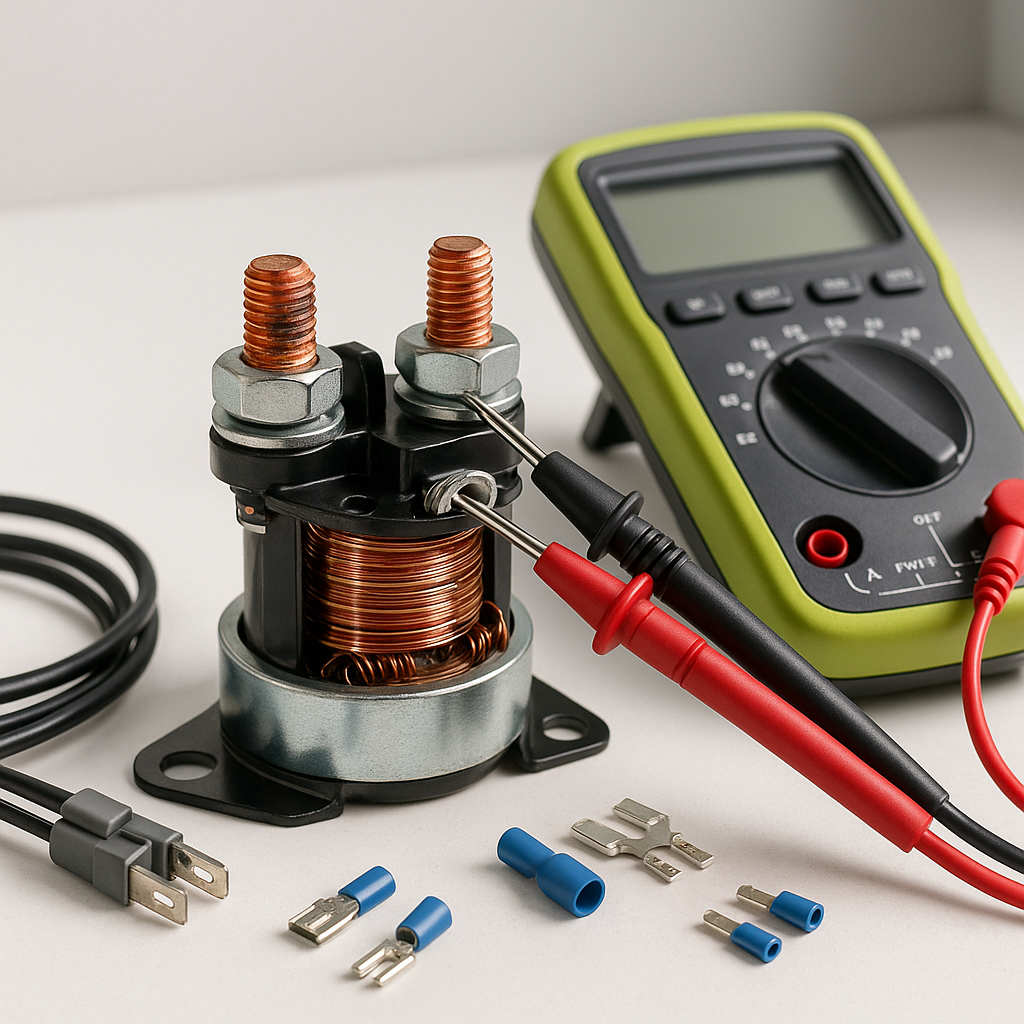
The solenoid acts as a high-current relay between your battery pack and the motor controller or motor. When you press the accelerator, a low-current signal energizes the solenoid coil, which pulls in a set of heavy copper contacts and closes the main power circuit. Those contacts carry the full amperage load of the cart every time you accelerate, brake regen, or climb a hill. That's significant heat and arcing over time — which is normal wear. What causes premature failure is anything that increases that heat and arcing beyond what the solenoid is rated to handle.
Check for Resistance in the Main Battery Circuit
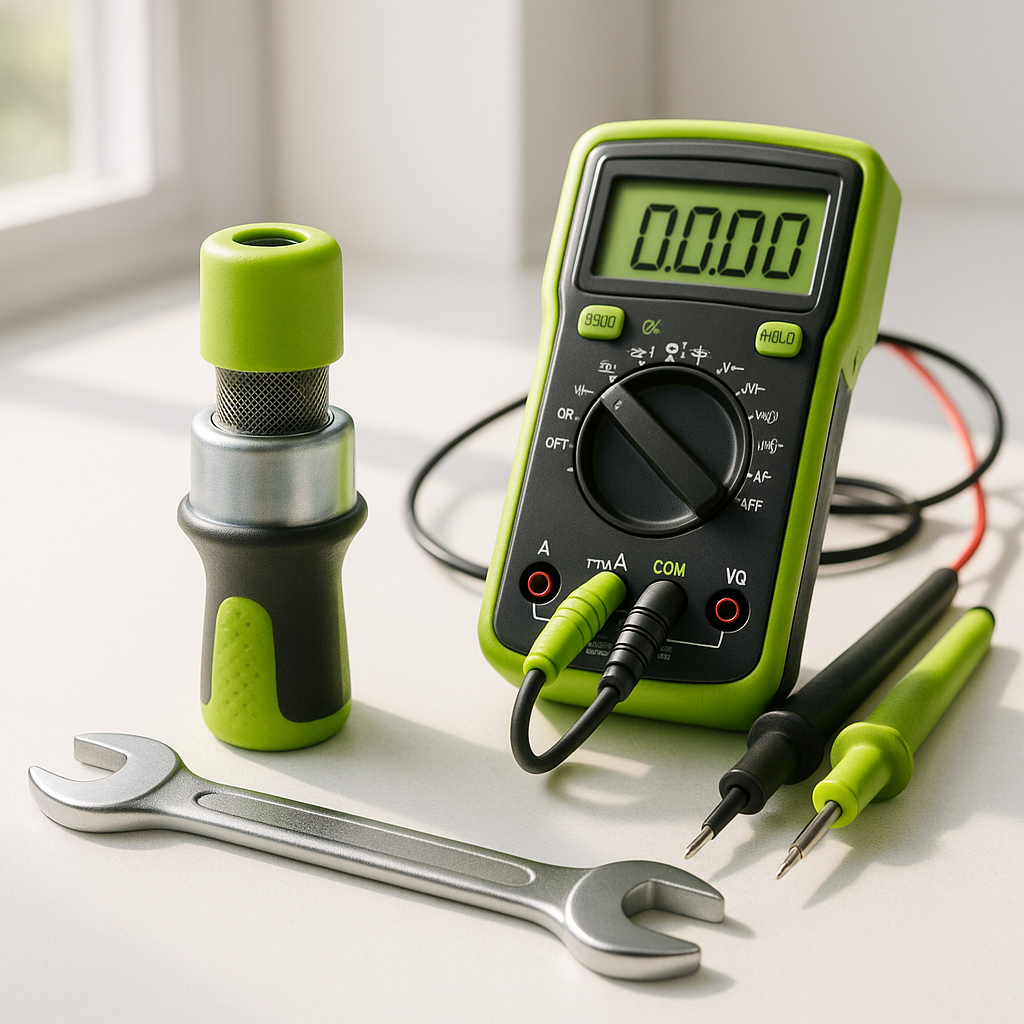
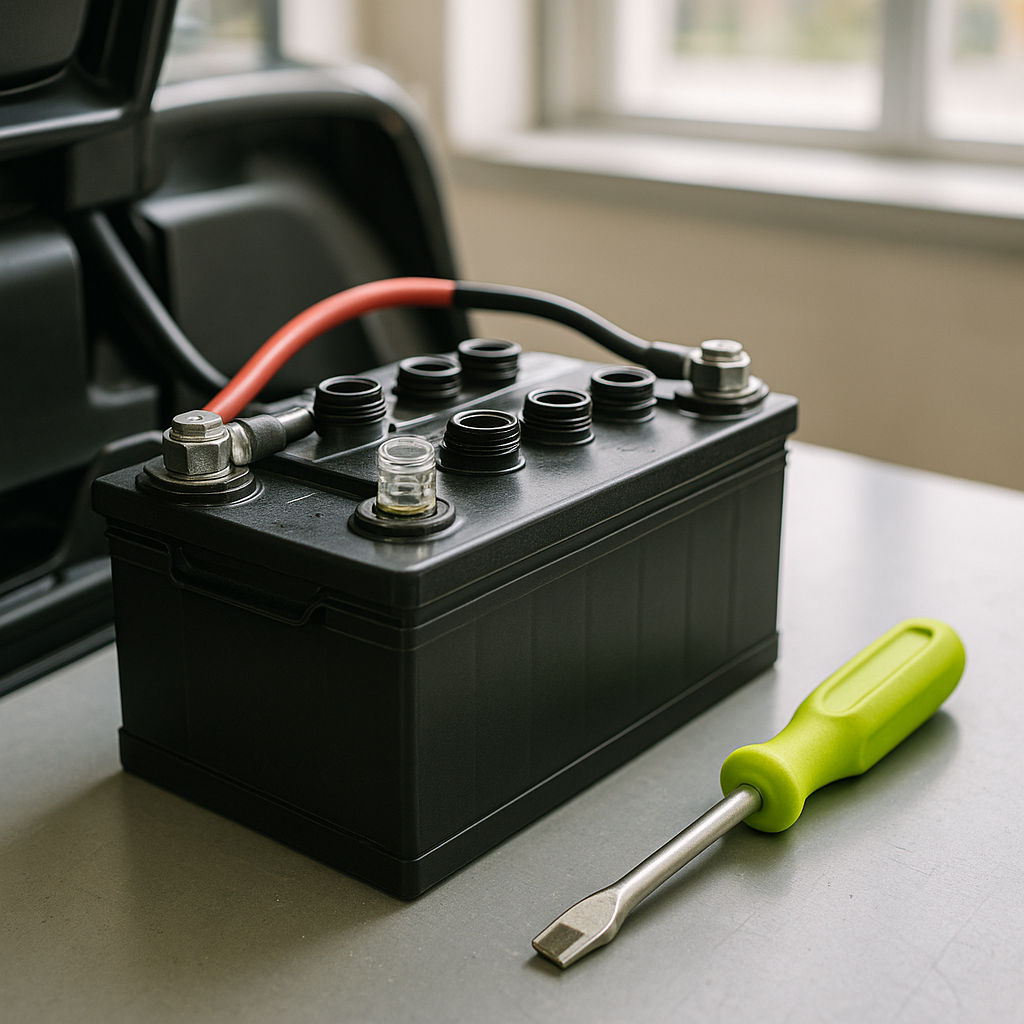
High resistance anywhere in the main power path forces the solenoid to carry more current than it should, generating excess heat at the contacts. Start by inspecting every battery terminal connection in the pack — look for green corrosion, white powder buildup, or terminals that feel loose when you try to wiggle them. Check the cables themselves for cracks, fraying, or heat damage near the connectors. A voltage drop test across each connection while the cart is under load will tell you more than a visual inspection alone: any significant voltage drop across a connection that should read near zero indicates resistance that needs to be addressed. Bad battery cable connections are one of the most common hidden causes of repeated solenoid failure.
Test the Batteries Themselves
A weak or failing battery in the pack doesn't just slow the cart down — it can cause the remaining batteries to compensate by discharging harder, spiking current draw across the solenoid during acceleration. Load-test each battery individually. A battery that reads an acceptable resting voltage but drops sharply under load is putting abnormal stress on every component downstream, including the solenoid. If your pack has one or two weak batteries dragging the rest, fix that problem before installing a new solenoid.
Inspect the Coil Circuit Voltage
The solenoid has two separate circuits: the high-current main contacts and the low-current coil that actuates them. If the coil is receiving the wrong voltage — either too high due to a wiring fault or too low due to resistance in the control circuit — it can cause the solenoid to chatter, partially engage, or overheat the coil winding over time. Check that the coil terminals are getting clean, stable voltage when the cart is commanded to run. Corroded or loose connections on the small-gauge wires going to the coil terminals are a common culprit here and are easy to overlook when you're focused on the heavy cables.
Look for a Stuck or Dragging Motor
If the motor is mechanically binding — due to worn bearings, a damaged armature, or debris inside the motor — it draws far more current than normal under load. That excess current passes through the solenoid contacts every time you accelerate, and it will burn them out fast. Spin the motor by hand with the cart safely immobilized and the power disconnected. It should turn freely with only light, consistent resistance. Any roughness, grinding, or dead spots suggest a motor problem that will keep destroying solenoids until it's resolved.
Evaluate the Controller
A failing motor controller can send erratic or excessive current through the main circuit, stressing the solenoid contacts in ways a healthy system wouldn't. If you've ruled out battery, cable, and motor issues and the solenoid still keeps failing, the controller deserves a close look. Some controllers have built-in diagnostics or fault codes — check your cart's service manual or controller documentation to see if any fault history has been stored. A controller that is intermittently allowing current spikes or not properly limiting inrush current is a less common but real cause of repeated solenoid failure.
Don't Overlook the Solenoid Mounting and Environment
Solenoids need to be mounted securely and in a location with reasonable airflow. A solenoid that vibrates loose over time can develop intermittent contact issues that accelerate wear, and one that's mounted directly against a heat source or in an enclosed pocket with no airflow will run hotter than it's designed to. Make sure the mounting hardware is tight and that the unit has reasonable clearance around it. When you install a replacement, also confirm it's the correct rating for your cart's voltage and application — installing an undersized or mismatched solenoid is a straightforward way to guarantee early failure.