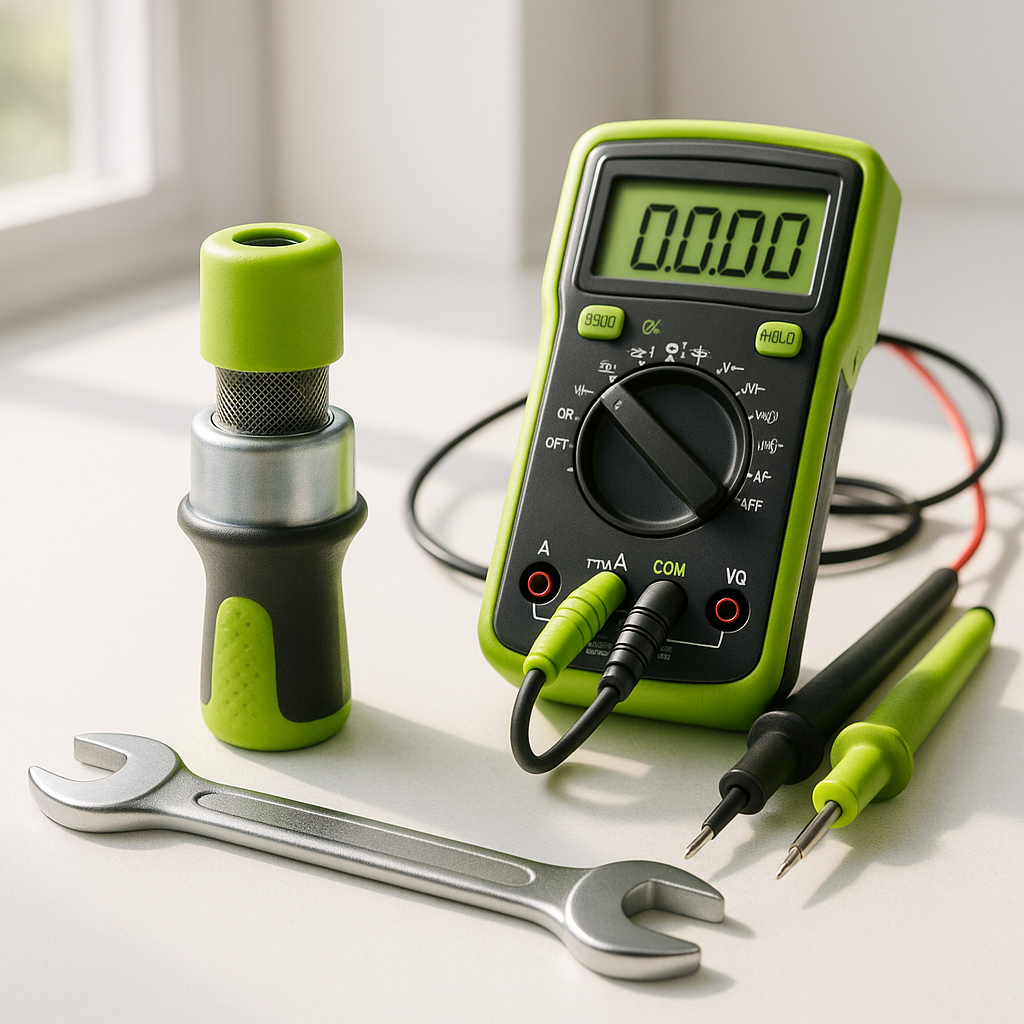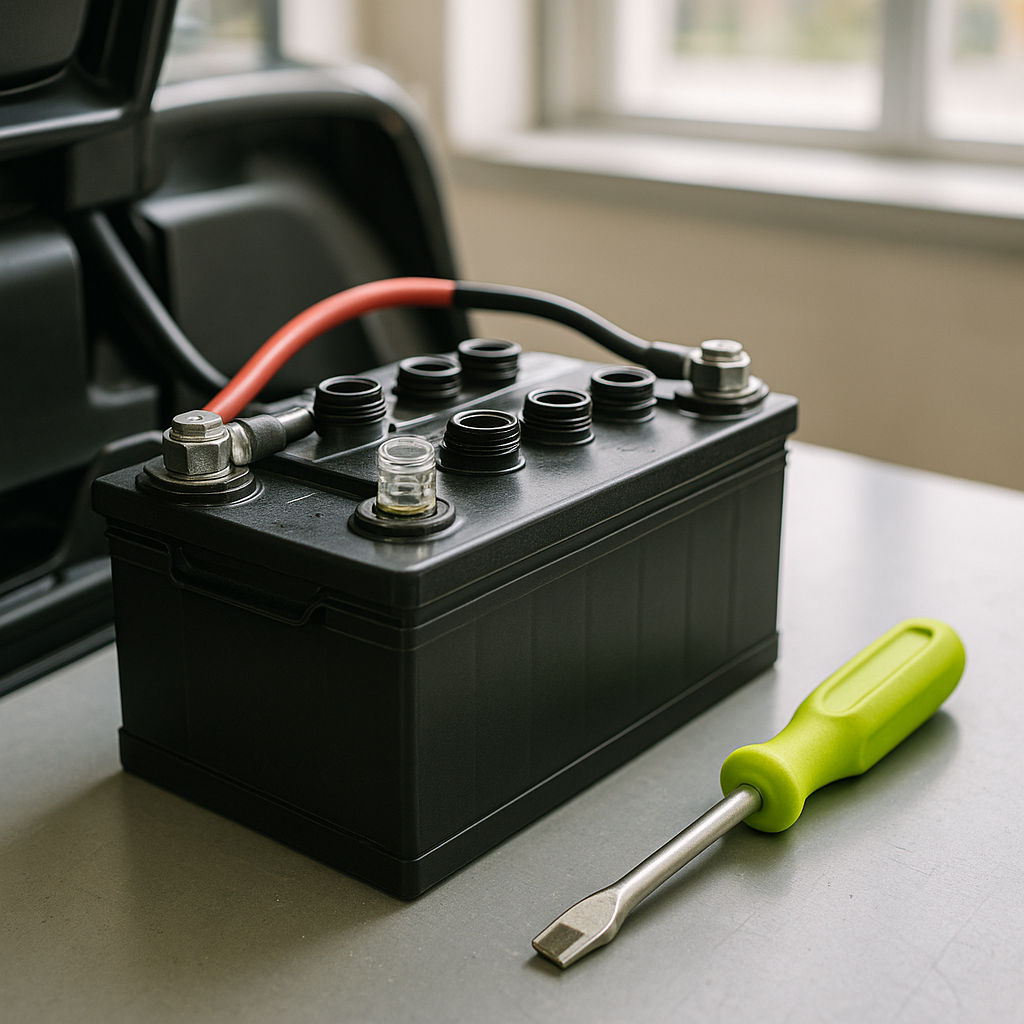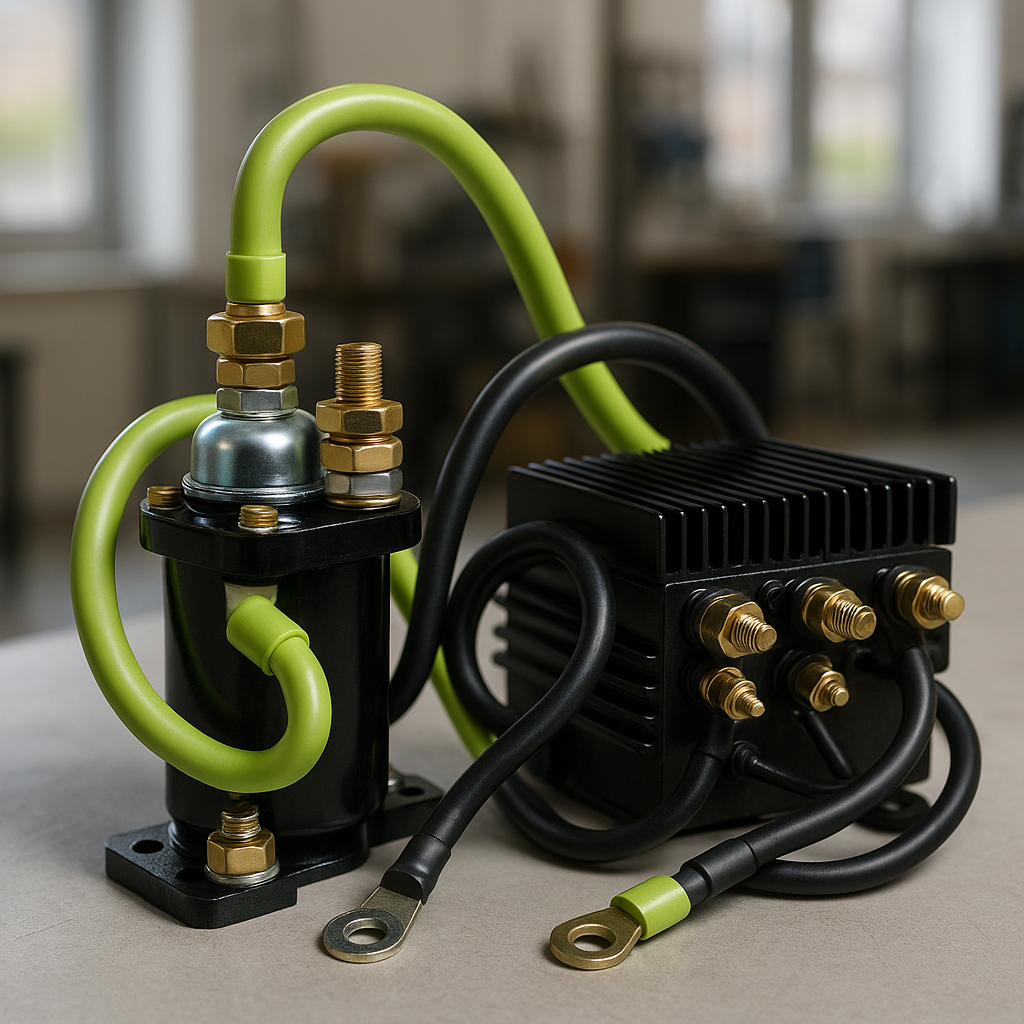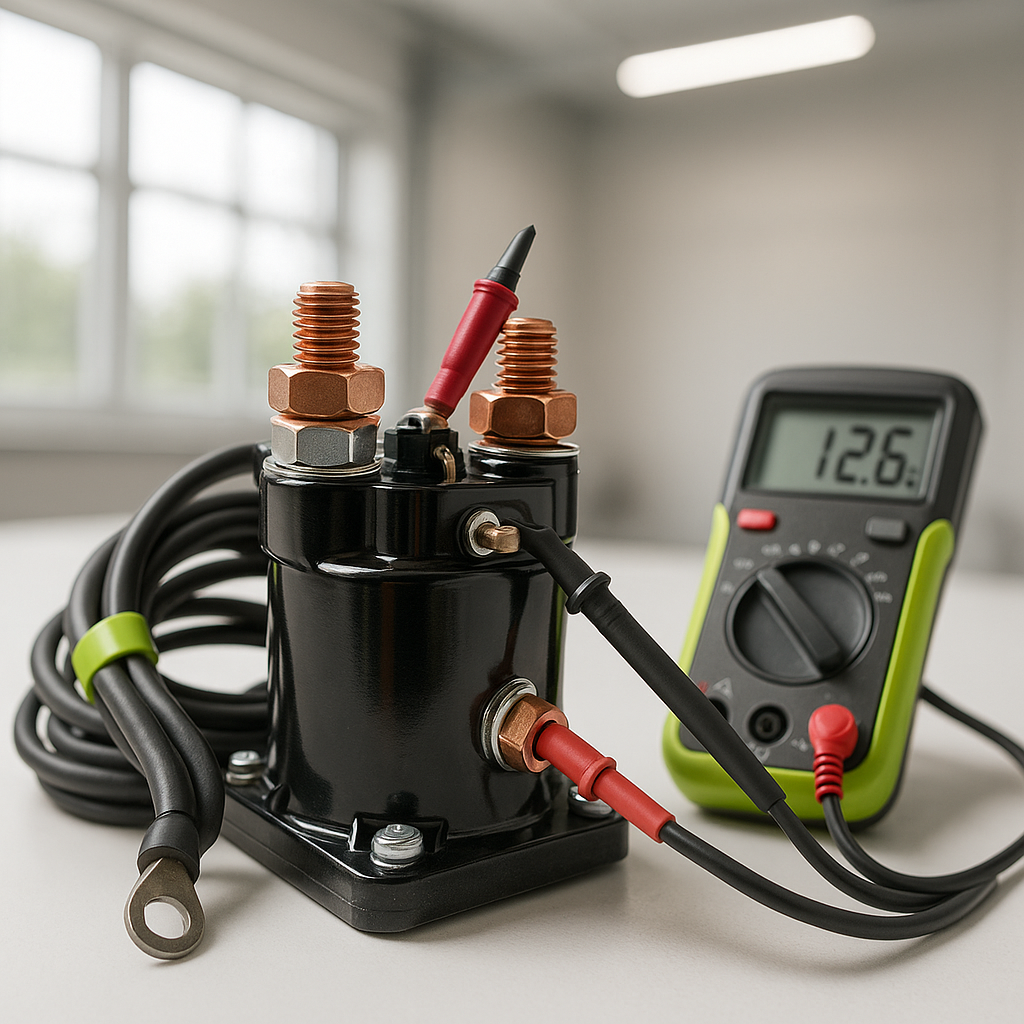
A solenoid that clicks but doesn't move the cart is a known problem with a recognizable symptom. But a solenoid that makes absolutely no sound at all — not even a faint click when you press the pedal — is a different animal. The silence means the solenoid coil isn't being energized, which shifts your diagnostic focus away from the solenoid itself and toward everything upstream of it: the battery pack, the key switch, the safety circuits, and the wiring that ties all of it together. Work through these checks in order and you'll find the root cause without replacing parts blindly.
Start With the Battery Pack Voltage
A completely silent solenoid is one of the most common symptoms of an undercharged or failing battery pack. Most solenoid coils require a minimum voltage threshold to pull in and make an audible click. If the pack voltage has dropped low enough — whether from a dead cell, a discharged battery, or a battery that's simply at end of life — the coil won't actuate at all. Before you dig into wiring, put a voltmeter across the full pack and check voltage both at rest and when you press the accelerator. A significant voltage drop under load points toward a weak battery or a poor connection between batteries, not the solenoid itself.
Check the Key Switch and Main Fuse
Power has to pass through the key switch before it reaches the solenoid circuit. A key switch that's corroded internally, worn from heavy use, or just beginning to fail can pass enough current to light up accessories but not enough to trigger the solenoid coil. Use a voltmeter to confirm you're getting proper voltage at the output side of the key switch when it's in the run position. Also check any main fuse or fusible link in the circuit — these blow quietly and are often overlooked. A blown fuse means no power reaches the solenoid coil regardless of how good everything else is.
Test the Solenoid Coil Terminals Directly
Once you've confirmed the battery pack and key switch are functioning, the next step is to check whether the solenoid coil is actually receiving voltage when it should. The solenoid has two small terminals that energize the coil — these are separate from the large battery-side terminals. With the cart keyed on and the accelerator depressed (safely, with the cart blocked), use your voltmeter to check for voltage across those small coil terminals. If you're getting proper voltage there and the solenoid still doesn't click, the solenoid coil itself is likely burned out or open. If you're getting no voltage, the problem is in the control circuit feeding the coil.
Look at the Safety Interlock Circuit
Most golf carts have one or more safety interlocks wired into the solenoid control circuit — a seat switch, a run/tow switch, an OBC (onboard computer) output on electric carts, or a neutral safety switch. Any one of these that's stuck open, corroded, or faulty can silently block power from ever reaching the solenoid coil. The run/tow switch is an especially common culprit that owners forget about — if it's been bumped to the tow position, nothing in the drive circuit will work. Check that switch first, then trace the rest of the interlock circuit with a wiring diagram specific to your cart model.
Inspect the Wiring and Ground Connections
Corroded or loose wiring in the solenoid control circuit is another cause of complete silence. Pay close attention to the ground side of the coil circuit — a poor ground can prevent coil energization just as effectively as no power on the positive side. Look for green corrosion, melted insulation, or terminals that wiggle when you tug them. Wiring that looks intact from the outside can have internal corrosion that only shows up under load. If any connections look questionable, clean them properly and retest before moving on.
Test the Solenoid Coil Resistance
If voltage is reaching the small coil terminals but there's no click, you can confirm coil failure by disconnecting the solenoid and measuring resistance across the two small terminals with a multimeter set to ohms. A functional coil will show a measurable resistance — an open coil will read as infinite (OL on most meters), confirming it's burned out internally. This test takes 30 seconds and removes all guesswork about whether the solenoid itself needs replacement. A shorted coil (near-zero resistance) is less common but will blow fuses repeatedly if left in place.
When to Replace vs. When to Keep Digging
If your tests show proper voltage at the coil terminals and a failed resistance reading, replacement is the right call — the solenoid is confirmed bad. But if voltage isn't reaching the coil at all, putting in a new solenoid won't fix anything. The most common mistake in solenoid diagnosis is replacing the solenoid before confirming it's actually receiving power. Take the time to verify each step in the circuit: battery pack condition, key switch output, safety interlock status, and coil terminal voltage. When you've confirmed power is present and the coil still won't pull in, then — and only then — is a replacement solenoid your answer.