When you press the accelerator and hear nothing — no click, no engagement, no movement — the solenoid is almost always the first thing people blame. Sometimes they're right. But a silent solenoid can also be a symptom of something upstream failing: a weak battery pack, a bad key switch, a faulty accelerator pedal sensor, or a broken connection in the control circuit. Replacing a solenoid without diagnosing first is an easy way to waste money and still end up with a dead cart. Work through this systematically before you order parts.
What a Solenoid Actually Does
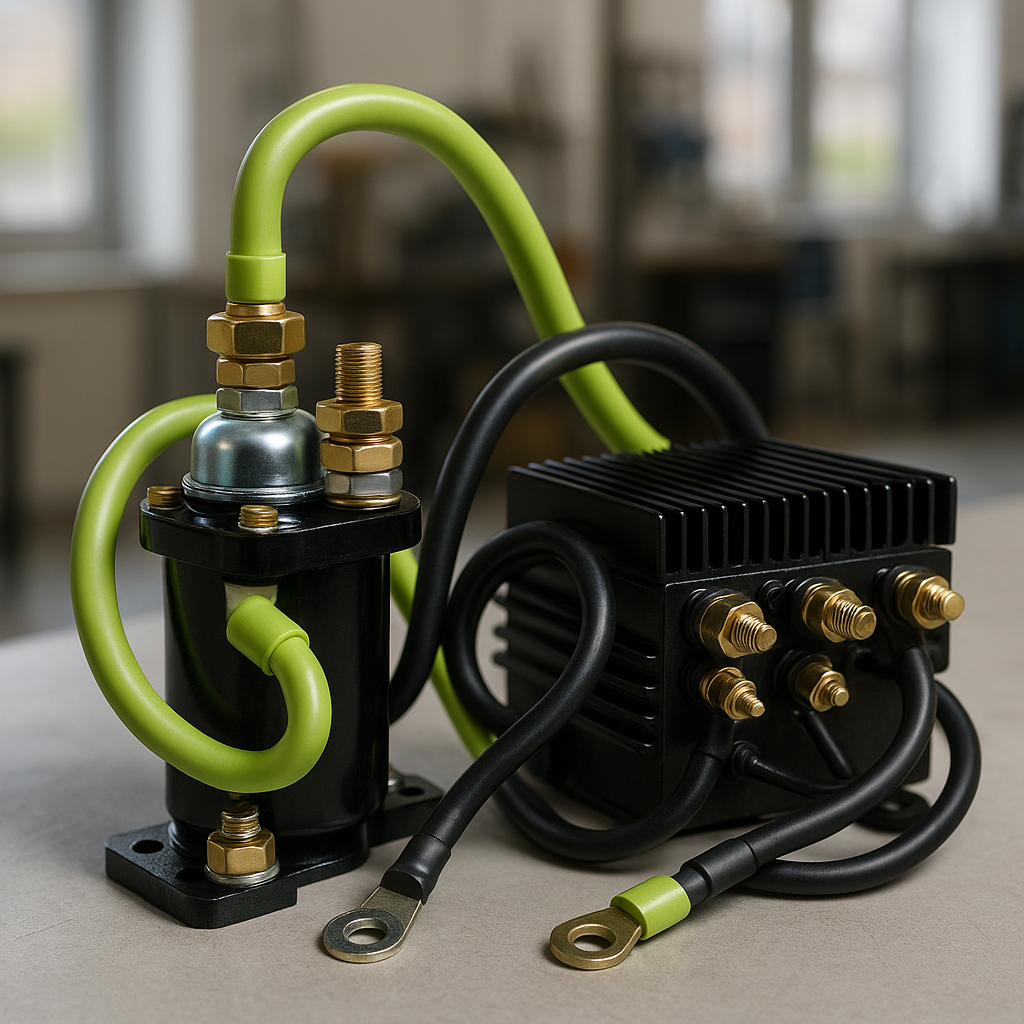
The solenoid is an electrically operated switch. When the control circuit sends a small signal voltage to its coil terminals, the solenoid pulls a heavy internal contact closed, connecting the battery pack to the motor or controller. That connection is what you hear as the audible click. No signal to the coil, no click, no power to the drivetrain. This is important because it means there are two separate circuits to check: the low-voltage coil circuit that triggers the solenoid, and the high-voltage main circuit that it switches. Problems in either one can make the cart dead silent.
Start With the Battery Pack
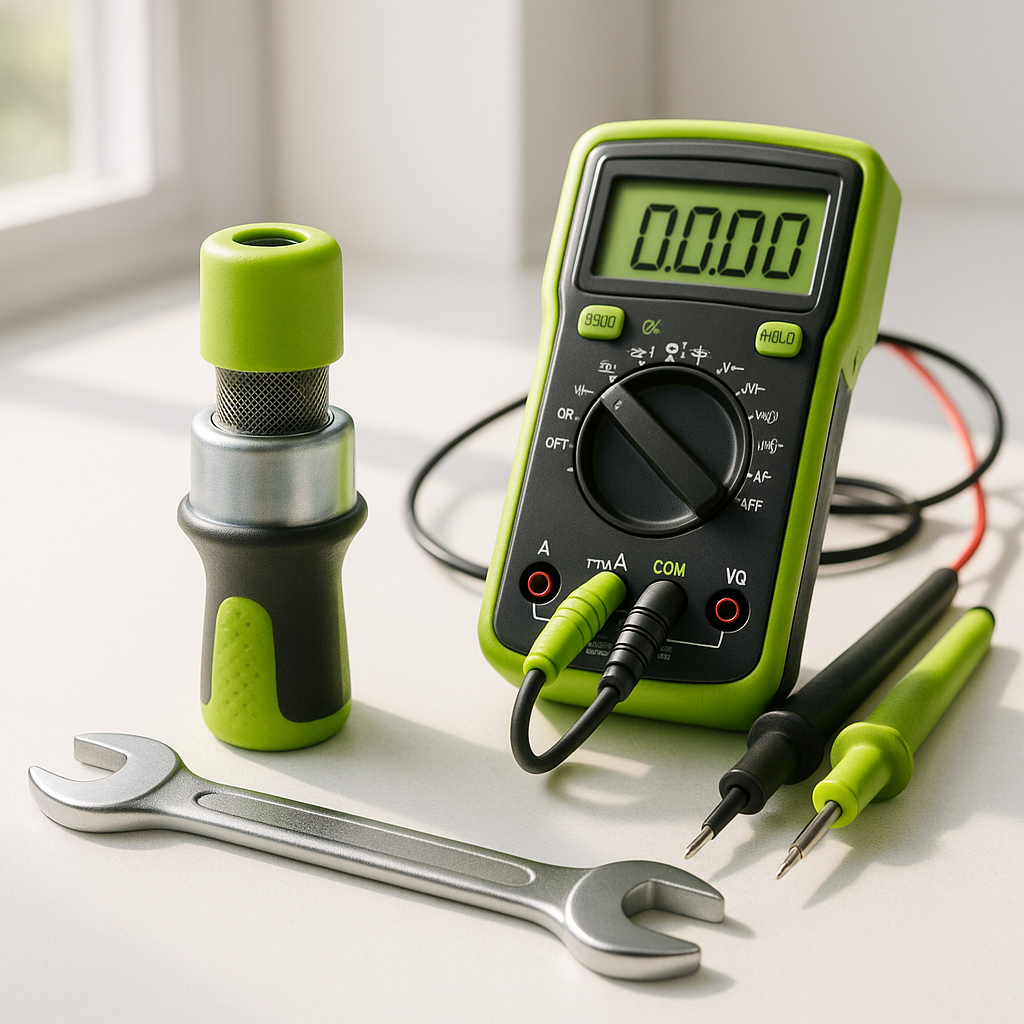
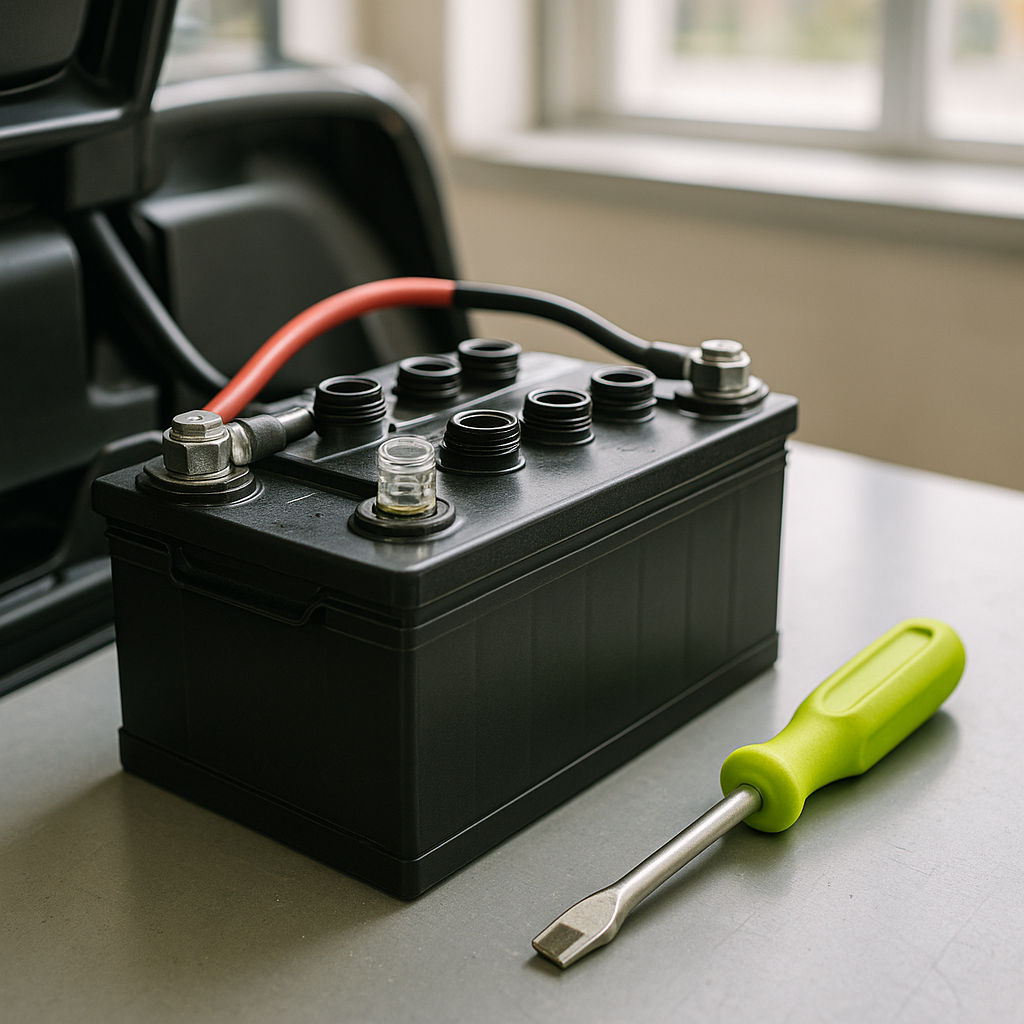
Before touching the solenoid at all, check your batteries. A pack that reads an acceptable resting voltage can still be too weak to energize the solenoid coil under load, especially if one or more cells are failing. Take voltage readings across the full pack and across individual batteries with a quality voltmeter. Also inspect all battery terminals and the heavy cables connecting them — corrosion or a loose connection at any point in the series string can drop voltage enough to prevent the solenoid from firing. Clean any corrosion with a wire brush and tighten every connection you find loose.
Check the Key Switch and Safety Circuits
The coil side of the solenoid is fed through the key switch and often through one or more safety interlocks — commonly a seat sensor, a run/tow switch, or an OBC signal. If any of these are open or faulty, the coil never gets power and the solenoid stays silent. With the key on and the cart in a safe position, use a voltmeter to verify you're getting voltage at the input side of the solenoid's small coil terminals. If you're not seeing voltage there, work backward through the key switch and interlock circuit to find where the signal is being lost. A failed key switch is a common and inexpensive fix that often gets overlooked.
Test the Solenoid Coil Directly
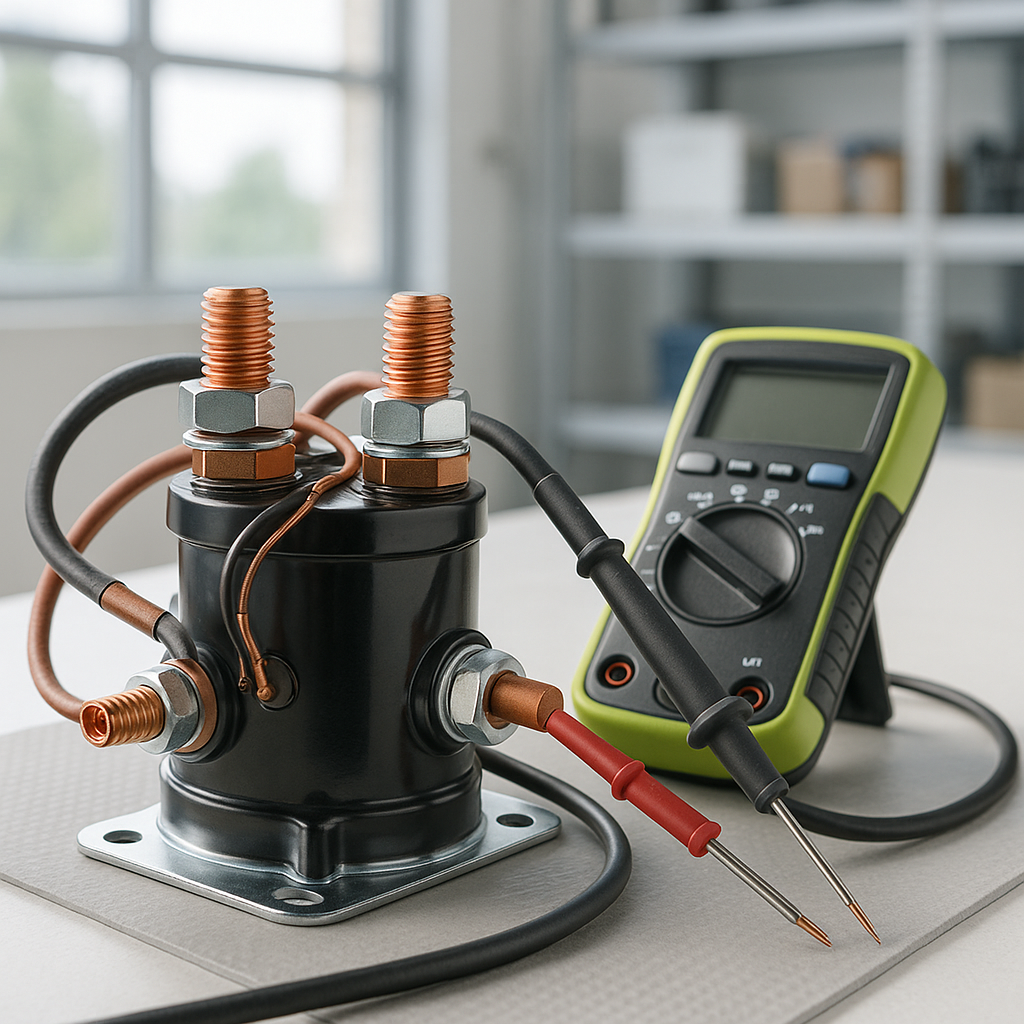
If voltage is reaching the coil terminals and the solenoid still isn't clicking, the coil itself may be open or burned out. Disconnect the coil terminals and use a multimeter set to resistance (ohms) to test continuity across them. A healthy coil will show some resistance — the exact value varies by solenoid, but you should get a stable reading rather than infinite resistance (open circuit) or near-zero (shorted coil). An open or shorted coil means the solenoid needs to be replaced. Also inspect the coil terminals physically — melted plastic, discoloration, or a burned smell are reliable signs of coil failure.
Check the Main Contact Points
Even if the coil fires and you can hear or feel the click, the solenoid can still fail to pass power if the main contacts are burned or pitted. This shows up as a cart that clicks normally but then does nothing. Carefully inspect the large terminals on the solenoid body for arc damage or heavy carbon buildup. On some solenoid designs the contacts are accessible for inspection; on others the unit is sealed. If the solenoid clicks but no voltage passes through the main terminals when tested with a meter, the contacts are the likely culprit and the solenoid should be replaced as a unit.
When the Solenoid Is Fine But the Cart Is Still Dead
If your solenoid coil has continuity, it's clicking reliably, and voltage is passing through the main contacts, the problem is somewhere else — most commonly the motor controller, the forward/reverse switch, or the throttle position sensor. A controller that has failed internally can leave the solenoid working perfectly while the cart still goes nowhere. At that point, the diagnostic focus shifts away from the solenoid entirely. It's also worth double-checking that the run/tow switch (found on many models) is in the Run position — this is a surprisingly common oversight after any maintenance work.
Replacing the Solenoid
When you've confirmed the solenoid is the problem, make sure the replacement matches your cart's voltage system and the current rating of your application. Using an undersized solenoid is one of the most common reasons solenoids fail prematurely — the contacts arc and burn out quickly under loads they weren't designed to handle. Disconnect the battery pack fully before doing any work on the solenoid, label your wires before removal, and verify the new unit is wired with the same terminal orientation. A correctly matched, properly installed solenoid should give you years of reliable service.