When your golf cart solenoid clicks, at least you know it's receiving a signal and trying to engage. A solenoid that makes no sound at all is a different problem — and in some ways a more telling one. Silence means the solenoid coil isn't energizing, which points you away from the solenoid itself and toward the circuit feeding it. Before you pull the solenoid, work through the system upstream first. A methodical approach here saves you from replacing a part that wasn't the problem.
Understand What the Solenoid Actually Does
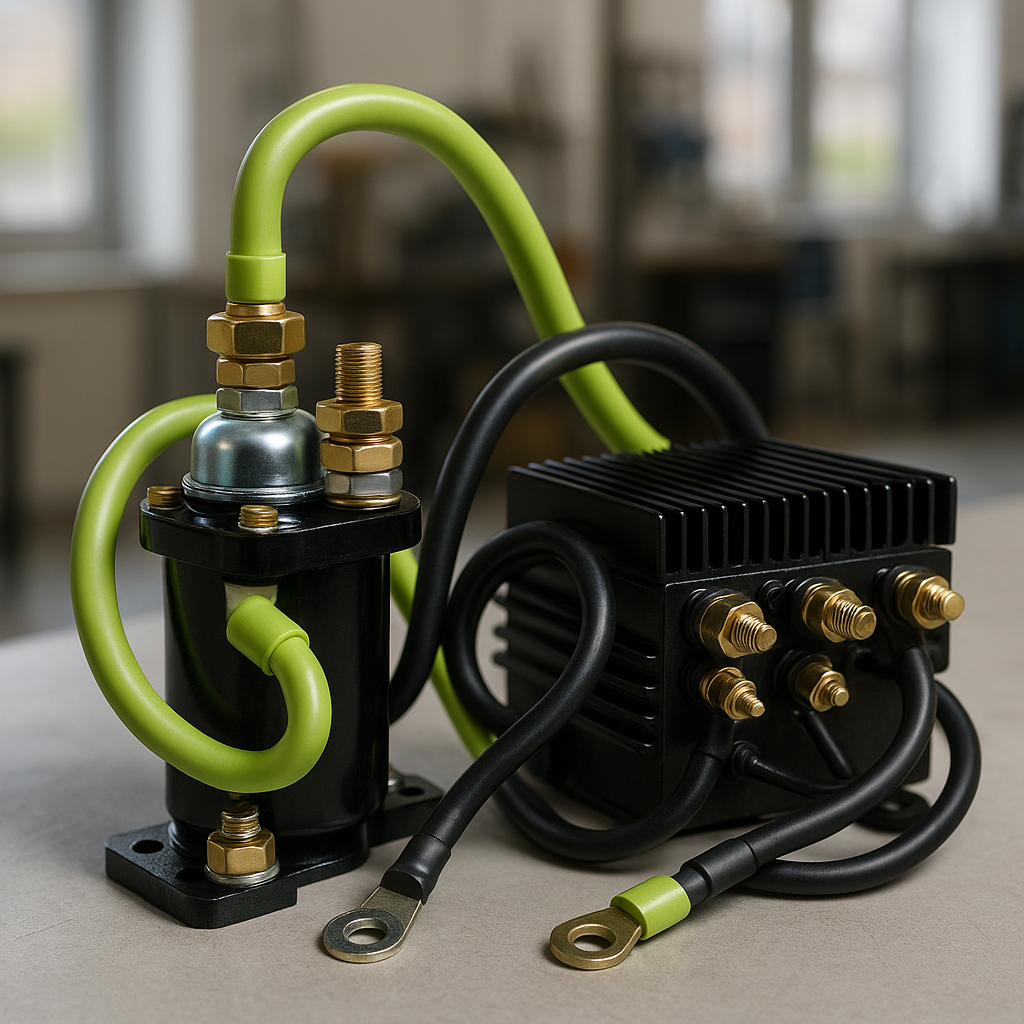
The solenoid is an electromagnetic switch. Its coil gets a low-current signal from the control circuit — typically triggered by the key switch, the forward/reverse switch, and the accelerator pedal assembly working together. When that signal arrives, the coil pulls in a set of heavy copper contacts that bridges the main battery power to the motor controller or drive circuit. No signal to the coil means no click, no contact closure, no power to the drivetrain. The diagnostic logic follows directly from that: if there's no click, either the coil isn't getting its signal, the coil has failed internally, or the cart doesn't have enough battery voltage to activate anything.
Check Battery Voltage First
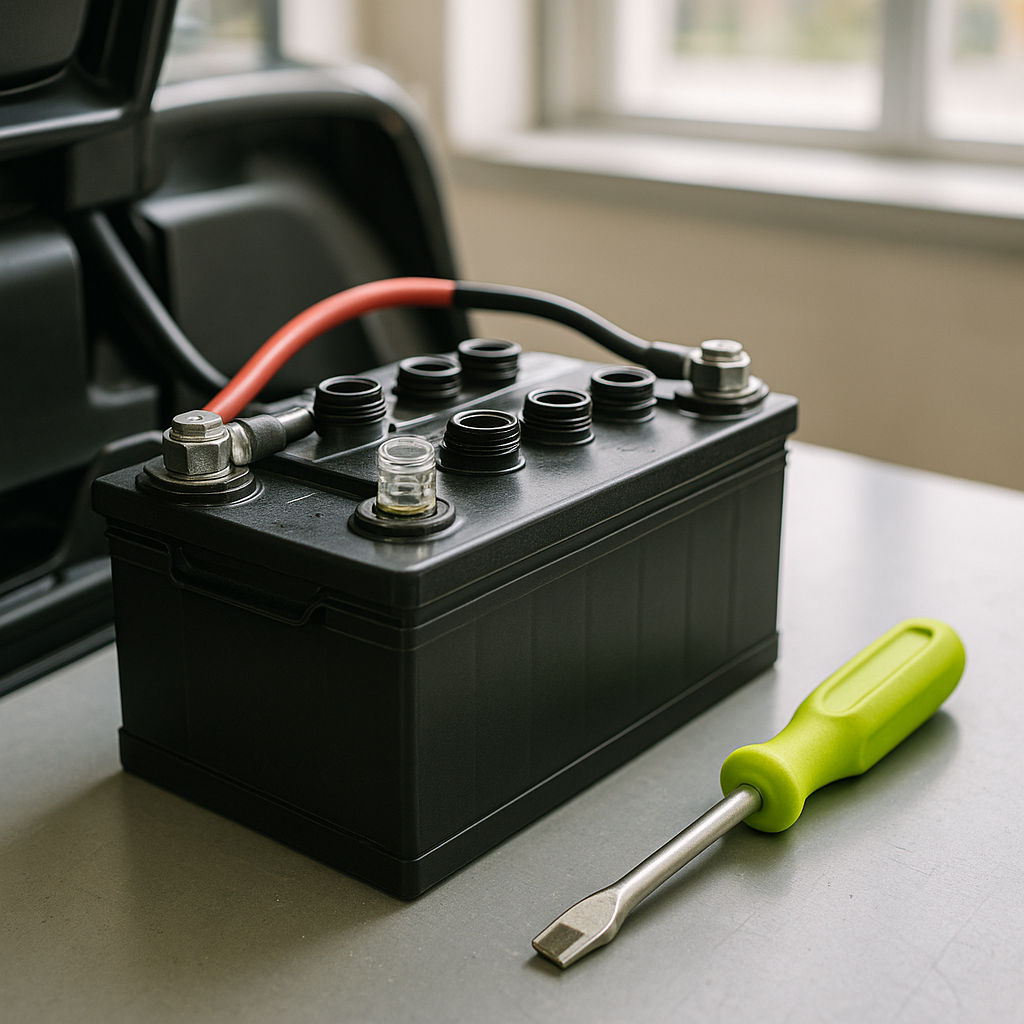
A solenoid coil won't audibly click if pack voltage has dropped below a functional threshold. Severely discharged or sulfated batteries can measure some voltage on a resting meter but collapse under any load — including the small current the coil needs. Put a voltmeter across your full battery pack with the key off, then again with the key on and the pedal pressed. If voltage sags dramatically under that minor load, your battery pack is the problem, not the solenoid. Charge the pack fully and retest before going further. Also check that your main pack connections and battery terminals are clean and tight — high resistance anywhere in the series string will drag voltage down at the solenoid coil terminals.
Trace the Control Circuit to the Coil
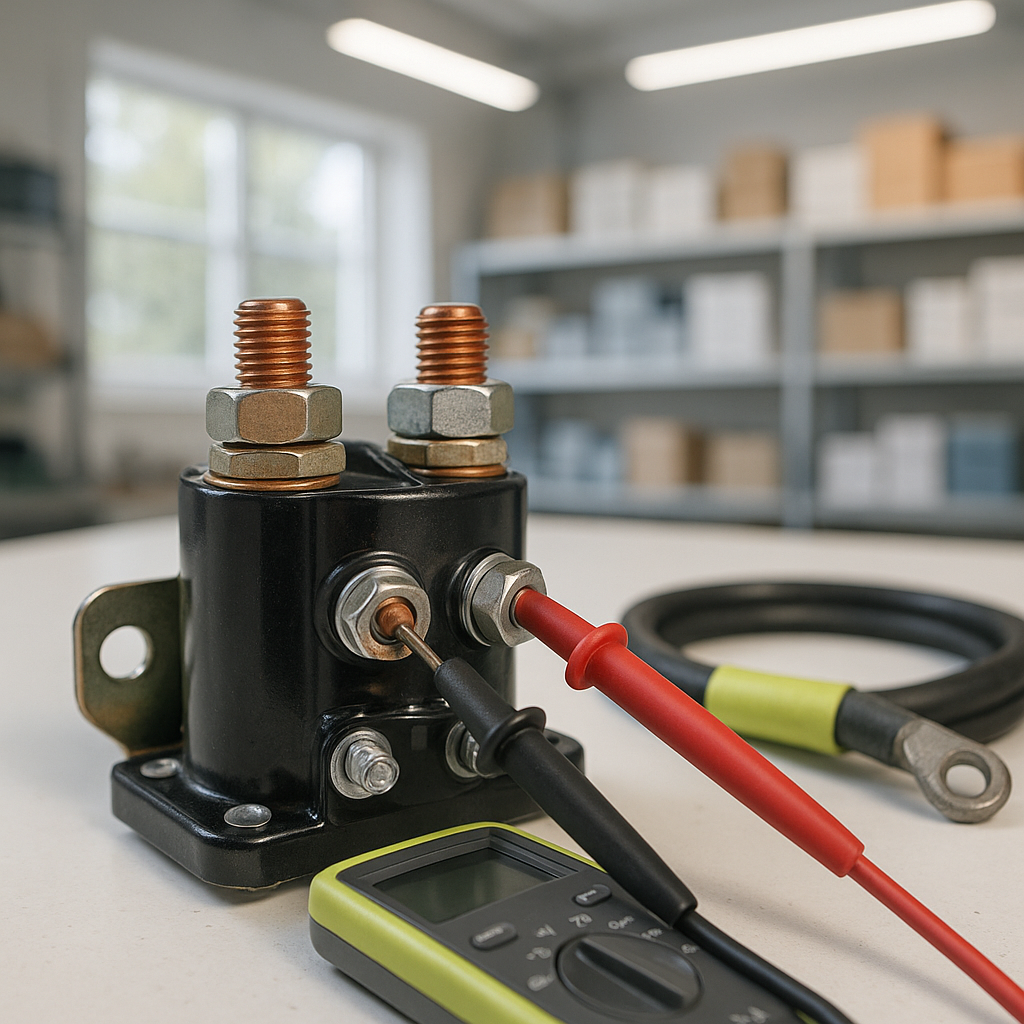
The solenoid has two sets of terminals: large posts for the main battery cables, and smaller terminals for the coil signal. With a voltmeter, probe the small coil terminals while a second person presses the accelerator with the key in the run position. You should see voltage at those terminals when the pedal is depressed. If you do and the solenoid still doesn't click, the coil itself has failed — replace the solenoid. If you see no voltage at the coil terminals, the control circuit isn't completing. Common culprits include a faulty key switch that isn't passing power, a worn or misaligned forward/reverse switch that isn't making contact in either position, a failed or unplugged throttle position sensor or microswitch at the pedal, or a blown fuse or corroded connector somewhere in the low-current circuit path. Check each of those components in sequence before condemning the solenoid.
Test the Solenoid Coil Directly
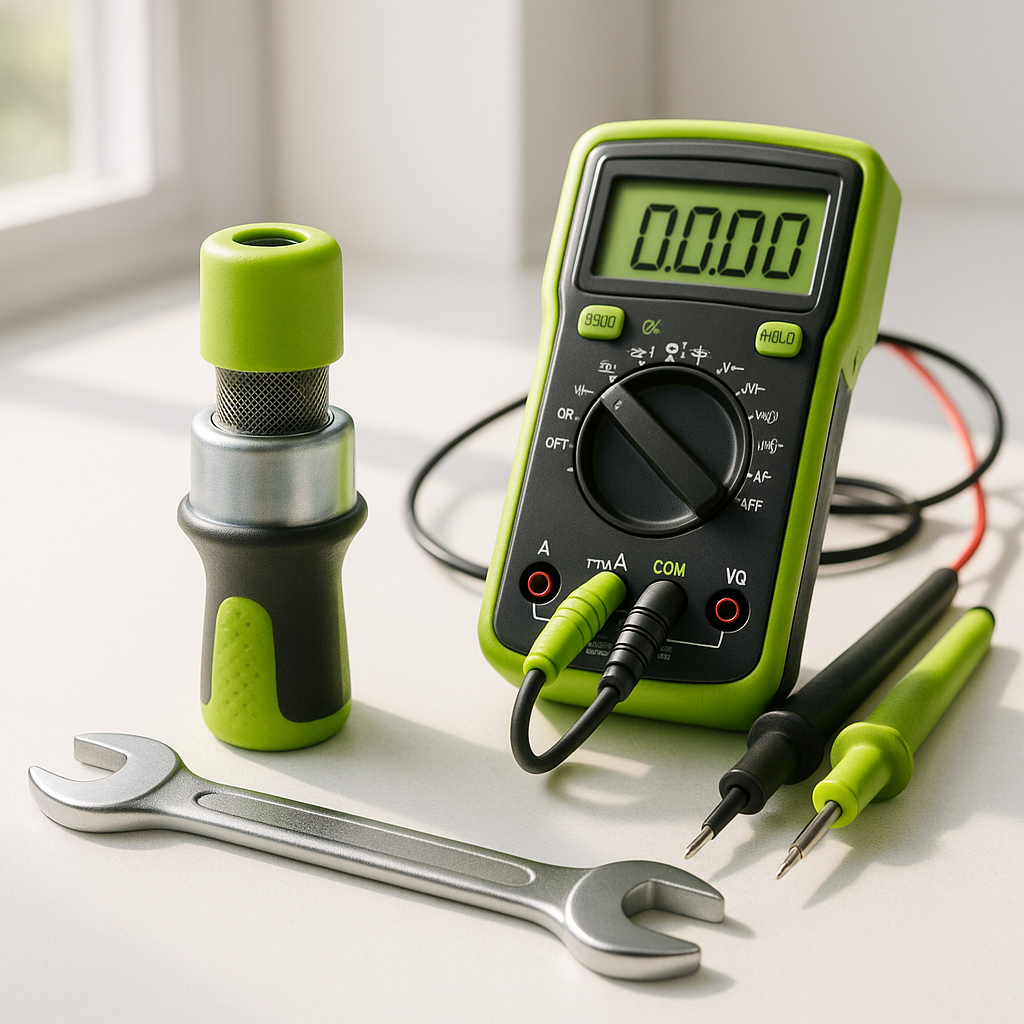
If you want to confirm whether the solenoid coil itself is good before buying a replacement, you can test it directly with a multimeter set to resistance. Disconnect the coil wires and measure resistance across the small terminals. A healthy coil will show some measurable resistance — an open reading (infinite resistance) means the coil winding has burned out internally and the solenoid needs to be replaced. A dead short (zero ohms) also indicates a failed coil. This test doesn't require specialized tools and takes about two minutes. It's worth doing before pulling everything apart.
Don't Overlook the Ground Path
The coil circuit needs a clean ground return just as much as it needs a positive signal. Corrosion or a loose connection on the ground side of the solenoid coil circuit will prevent activation even if everything else checks out. Trace the ground wire from the coil back to its connection point — whether that's the frame, a battery negative terminal, or a common ground buss — and check for corrosion, looseness, or damaged insulation. A wire that looks intact can have a broken conductor inside the insulation, especially near connectors or areas where the harness flexes. Wiggle-testing the ground wiring while watching your voltmeter can expose an intermittent break.
When to Replace vs. Repair
Solenoids are wear components. The coil winding can burn out from repeated overload or just age, and the small terminals can corrode badly enough to prevent a solid connection. If you've confirmed battery voltage is good, the control circuit is delivering a proper signal to the coil terminals, the ground path is solid, and the coil itself tests open — the solenoid is done. Replacement is the right call. Solenoids are not serviceable internally; there's nothing to adjust or repair inside a failed coil. When choosing a replacement, match it to your cart's voltage system and verify it's spec'd for your cart's make and generation — coil voltage ratings matter, and using the wrong one will either prevent activation or burn the coil prematurely.
A solenoid that never clicks is almost always a solvable problem once you work through the circuit logically. Battery voltage, control circuit continuity, coil health, and ground integrity cover the vast majority of cases. The diagnostic steps above don't require advanced tools — just a basic multimeter and a willingness to trace the circuit rather than guess. Get that right, and you'll know exactly what to replace instead of throwing parts at it.