If your golf cart solenoid is burning out more than once, or you're noticing heat, melted wiring, or a burnt smell near the solenoid, replacing the part again isn't going to solve anything long-term. A solenoid that overheats or fails repeatedly is almost always telling you something else in the system is wrong. This guide walks you through the real causes — the ones that get overlooked when owners just swap the part and move on.
Why a Solenoid Overheats in the First Place
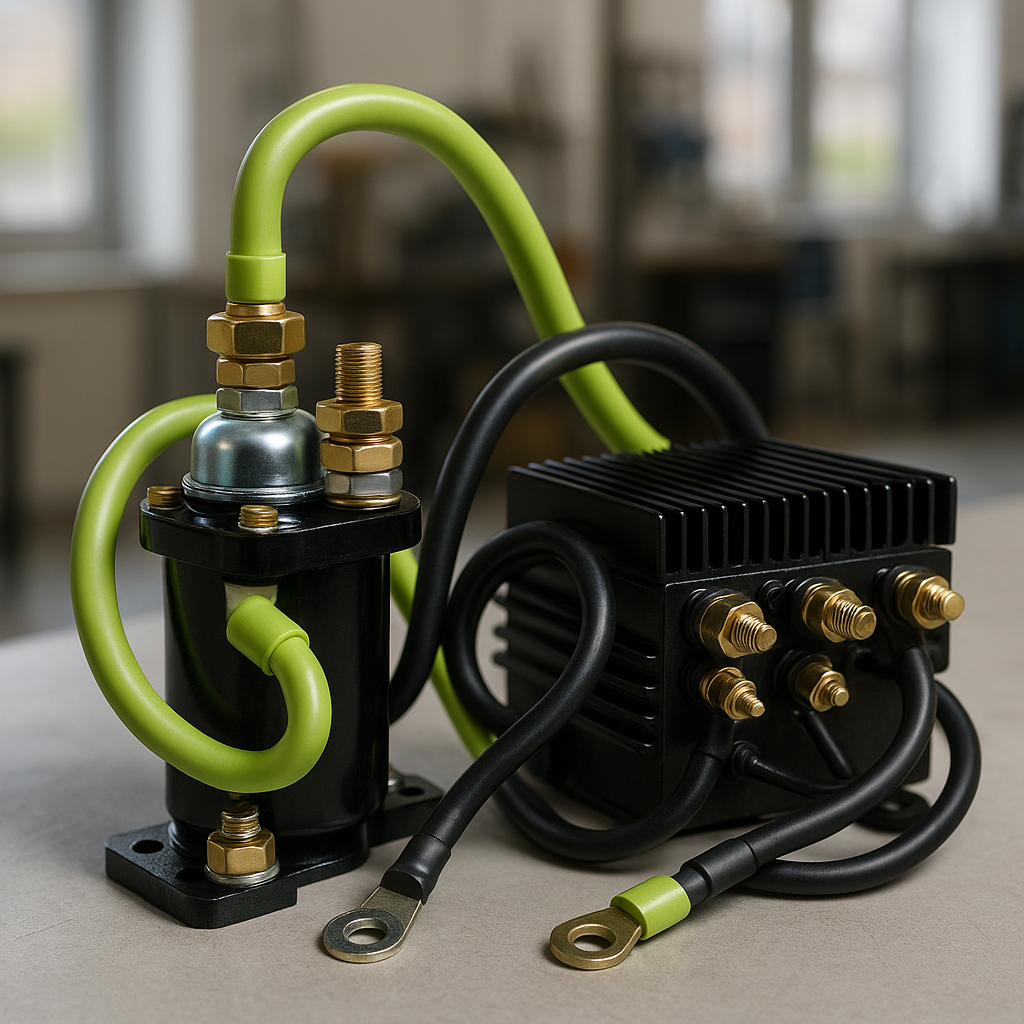
The solenoid is an electrically-operated switch. Its job is to carry high-amperage current from the battery to the motor controller or motor whenever you press the accelerator. When everything in the system is healthy, the solenoid closes cleanly, carries the load, and releases. The problem starts when the solenoid is asked to stay engaged longer than it should, carry more current than it was designed for, or work against resistance somewhere else in the circuit. Any of those conditions turns the solenoid into a heat sink — and heat kills coils and contacts fast.
Check for a Welded or Stuck Contact
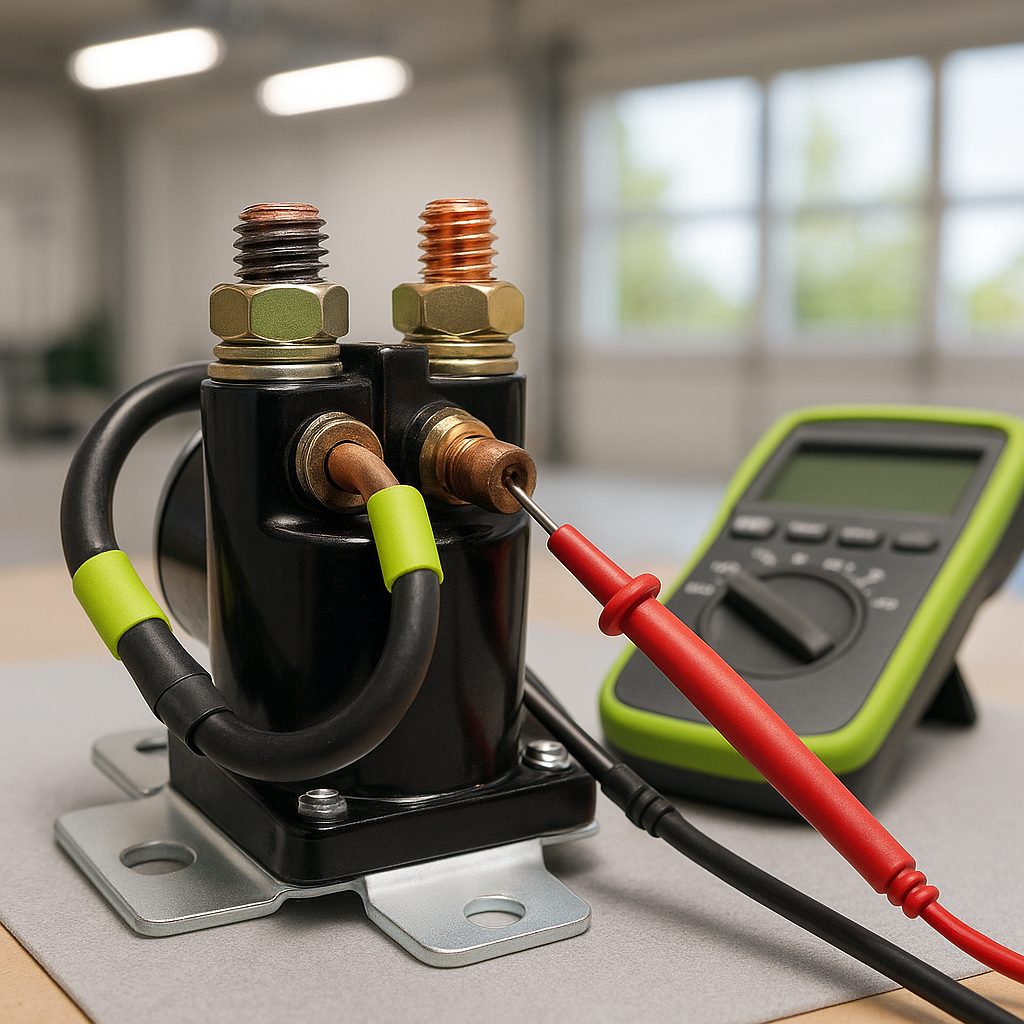
One of the most common signs of a solenoid that's been running too hot is a welded contact — where the internal copper contacts have literally fused together under load. If your cart keeps running after you release the pedal, or if the solenoid feels hot to the touch at rest, this is a strong indicator. A welded solenoid is a safety issue: the cart can creep or lurch unexpectedly. If you suspect this, disconnect the battery before doing anything else. A solenoid that won't open on its own needs to be replaced immediately, but you also need to find out what caused the excessive arcing in the first place before installing a new one.
Inspect the Coil Voltage and Input Wiring
The solenoid coil — the electromagnet that pulls the contacts together — is designed to operate at a specific voltage that matches your cart's system. Running a solenoid coil at the wrong voltage, even slightly above its rating over time, generates excess heat in the coil windings and shortens its life dramatically. Check that your replacement solenoid matches your system voltage exactly. Beyond that, inspect the small-gauge wires that feed the coil (usually coming from the key switch or controller). Loose connections, corroded terminals, or a weak key switch can cause the coil to receive intermittent or fluctuating voltage, which causes it to chatter — rapidly opening and closing — instead of holding a clean engagement. Chattering destroys contacts quickly.
Look for High Resistance Elsewhere in the Main Circuit
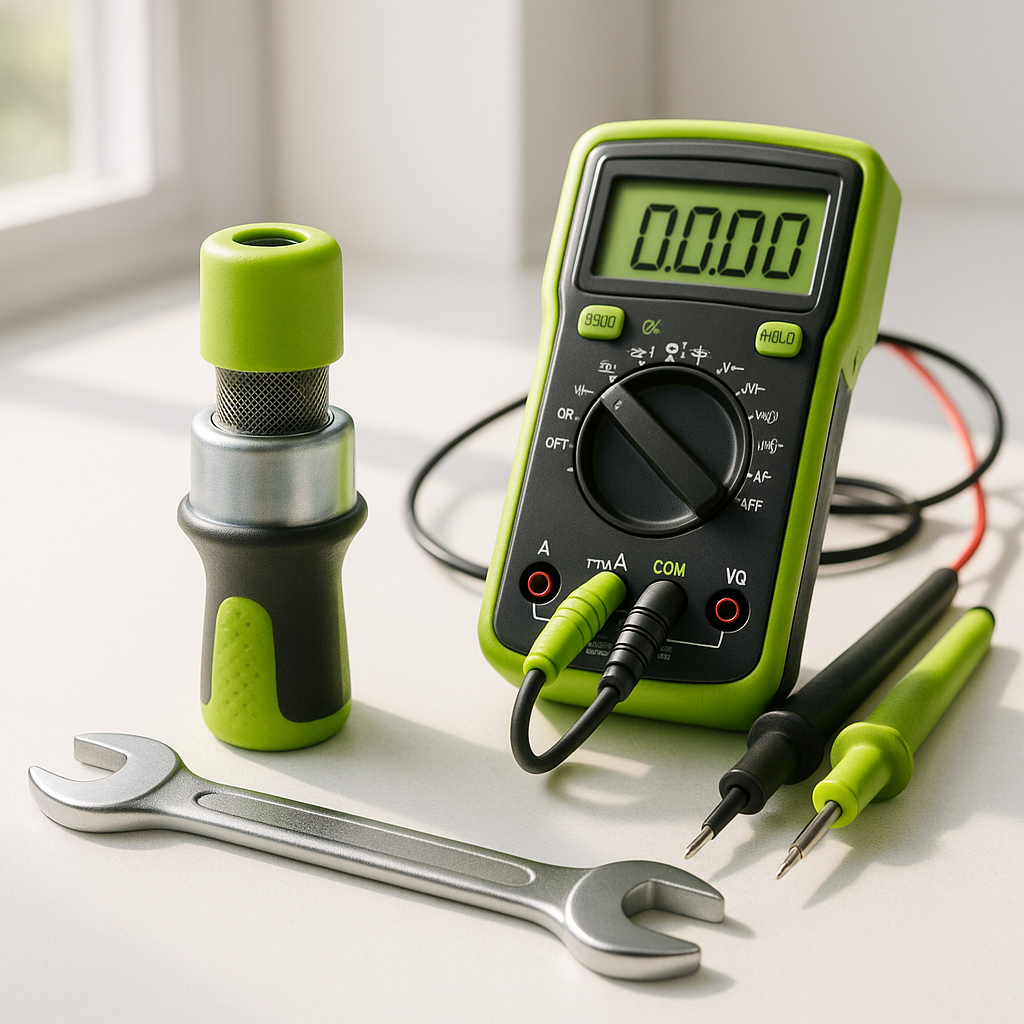
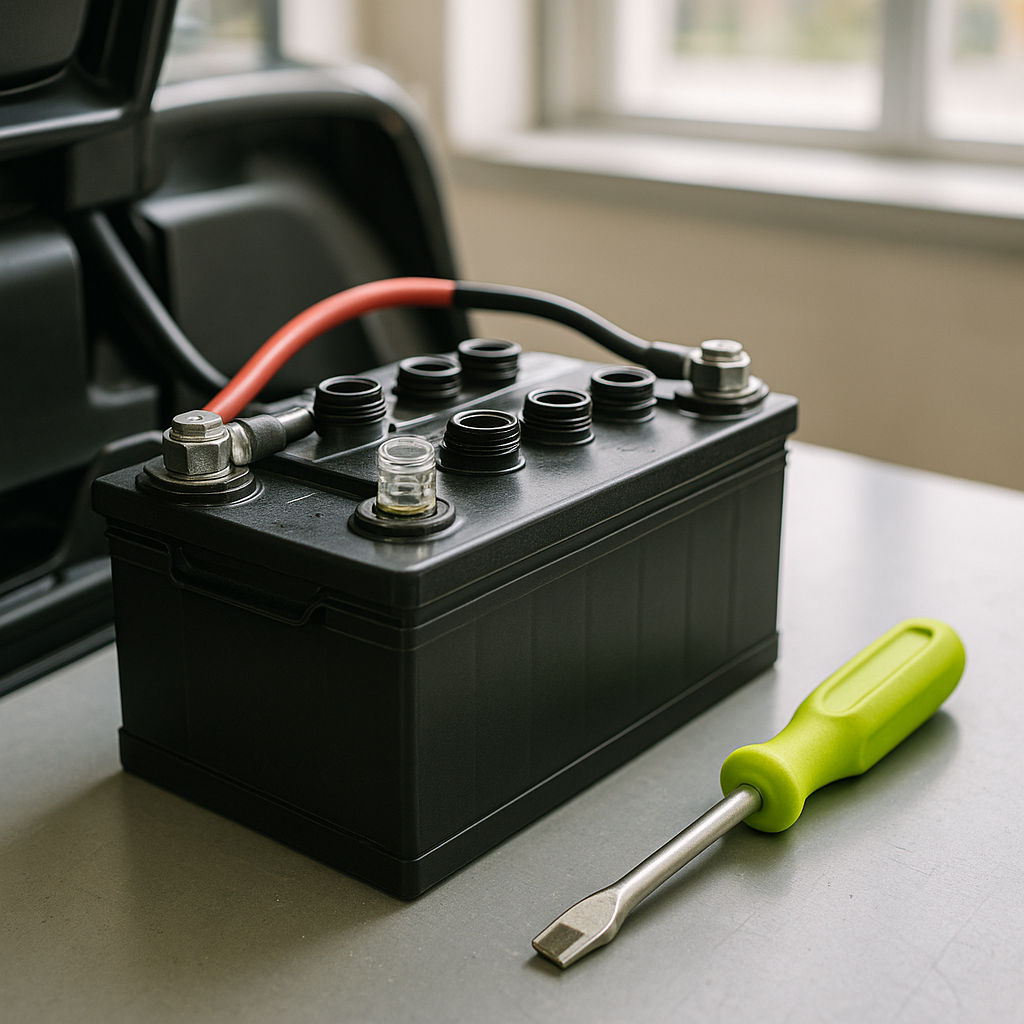
If the main battery cables, battery terminals, or motor controller connections have significant resistance — from corrosion, loose connections, or undersized wire — the solenoid ends up trying to push current through a partially blocked path. This increases the current demand and heat across the whole circuit, including the solenoid contacts. Do a thorough inspection of every major connection between your batteries and motor: look for green or white corrosion at terminals, connections that wiggle when tugged, cables with cracked or melted insulation, and any signs of heat discoloration on lugs or ring terminals. Fixing resistance problems upstream and downstream of the solenoid is often what stops the repeat failures.
Test the Motor and Controller for Excessive Draw
A motor that's drawing more current than normal — due to worn brushes, damaged windings, or a mechanical drag in the drivetrain — puts sustained, excessive load on the solenoid contacts every time the cart moves. Similarly, a controller that's malfunctioning may not regulate current the way it should, allowing spikes that damage solenoid contacts over time. If your cart has been sluggish, hesitating, or has a history of tripping breakers, it's worth having the motor and controller checked before assuming the solenoid itself is the weak point. Replacing a solenoid into a system with a sick motor is a short-term fix at best.
Don't Overlook the Mounting and Environment
Solenoids need airflow. If yours is mounted in a location where heat from other components accumulates, or if it's been covered by debris, a makeshift enclosure, or insulating material, it will run hotter than it should even under normal electrical loads. Check that the mounting location hasn't changed and that there's reasonable clearance around the unit. Also check that the solenoid body itself is securely mounted — vibration can work terminal connections loose over time, creating the resistance problems described above.
The Right Fix Is Addressing the Cause, Not Just the Part
A quality replacement solenoid installed into a clean, healthy electrical system should last years without issue. If you're on your second or third solenoid in a short period, treat it as a diagnostic signal rather than bad luck. Work through the battery connections, cable condition, coil wiring, motor health, and controller behavior systematically before installing the next one. That methodical approach is what separates a permanent fix from an expensive cycle of parts replacement.