A little slop in a golf cart's steering wheel is common after years of use, but there's a big difference between minor looseness and genuine excessive play that affects how the cart responds. If you're turning the wheel an inch or two before the front wheels actually start to move, that's a problem worth diagnosing now rather than later. Steering issues don't fix themselves, and they tend to get worse — especially if you're running a lifted cart or spending time on rough terrain.
Start With the Steering Wheel Itself
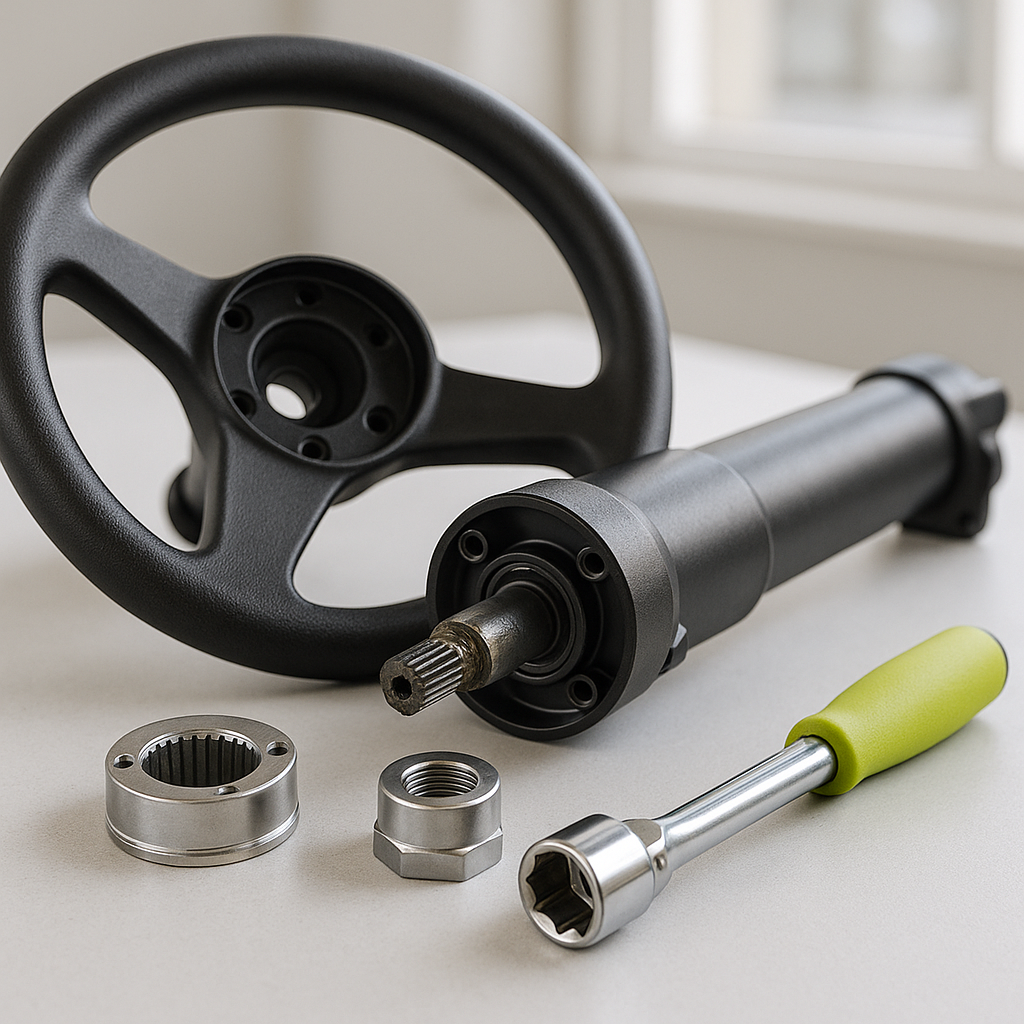
Before assuming the problem is deep in the steering column or rack, check the most obvious thing first: the steering wheel's attachment to the column shaft. The wheel is typically secured by a center nut, and that nut can loosen over time from vibration. Grab the wheel with both hands and try to wiggle it forward and backward, not just rotationally. If it rocks on the shaft, a loose or missing nut is your likely culprit. Tighten it down and recheck for play. Also inspect the spline connection — if the splines are worn or the hub is cracked, the wheel may need to be replaced entirely since no amount of tightening will fix a stripped spline interface.
Check the Steering Column and Bushings
The steering column runs from the wheel down to the steering box or rack. Along the way it passes through one or more support bushings that keep it centered and stable. These bushings are typically plastic or nylon and wear down over time, especially on carts that see a lot of use or have been lifted (which can change the column angle and increase wear). Grab the column itself and try to move it — not just rotate it, but physically wiggle it side to side. Any movement here indicates worn bushings. Replacement bushings are inexpensive and usually straightforward to swap out once you've identified which ones are worn.
Inspect the Tie Rods and Tie Rod Ends
Tie rods connect the steering box output to the front spindles, and their end joints are a very common source of play. With the cart on a flat surface and the wheels on the ground, have someone hold the steering wheel steady while you grab each front tire at the 9 o'clock and 3 o'clock positions and try to wiggle it side to side. Any lateral movement that doesn't correspond to movement at the steering wheel points to a worn tie rod end. Then grab the tire at the 12 and 6 o'clock positions and try to rock it — this tests wheel bearings, which is a different issue but worth checking while you're there. Worn tie rod ends are a straightforward replacement and should be addressed promptly since they directly affect steering control.
Look at the Steering Box or Rack
Golf carts use different steering setups depending on make and model — some use a worm gear steering box, others use a rack-and-pinion style. Either way, internal wear in the steering mechanism itself can introduce play that no amount of tightening elsewhere will fix. With the wheels pointed straight, rock the steering wheel back and forth and watch the steering box output shaft. If the shaft moves but there's a delay before the tie rod moves, the play is internal to the box. Some steering boxes have an adjustment screw that can take up a small amount of wear — check your service manual for your specific cart. Beyond a certain point of wear, rebuilding or replacing the steering box is the right answer.
Don't Overlook the Spindles and King Pins
King pins and spindle bushings are another wear point that gets overlooked. These are the pivot points the front wheels actually steer around. To test them, lift the front of the cart safely off the ground and grab each front wheel at the top and bottom (12 and 6 o'clock) and try to rock it. Vertical play — where the top of the wheel moves in and out relative to the bottom — indicates worn king pin bushings. This is a more involved repair but critical for safe steering, especially on carts that have been lifted or see heavy use on rough ground.
When to Fix It Yourself vs. Get Help
Tightening a loose steering wheel nut, replacing tie rod ends, or swapping out column bushings are all reasonable DIY repairs for someone comfortable with basic mechanical work and proper jack stands. Steering box internal repairs or king pin replacement require more confidence with the job and the right tools. What isn't acceptable is driving a cart with known, significant steering play and ignoring it — especially on public paths, hilly terrain, or anywhere passengers are aboard. If you diagnose the problem but aren't confident in the repair, a small engine or golf cart shop can handle steering work quickly and inexpensively compared to the alternative.