A golf cart tire that repeatedly goes flat is more than an inconvenience — it can make the cart handle unpredictably and, over time, damage the wheel rim if you're running on low pressure without realizing it. The good news is that slow leaks and repeat flats almost always trace back to one of a short list of causes, and most of them are diagnosable without any special equipment beyond a spray bottle and some soapy water.
Start With the Valve Stem
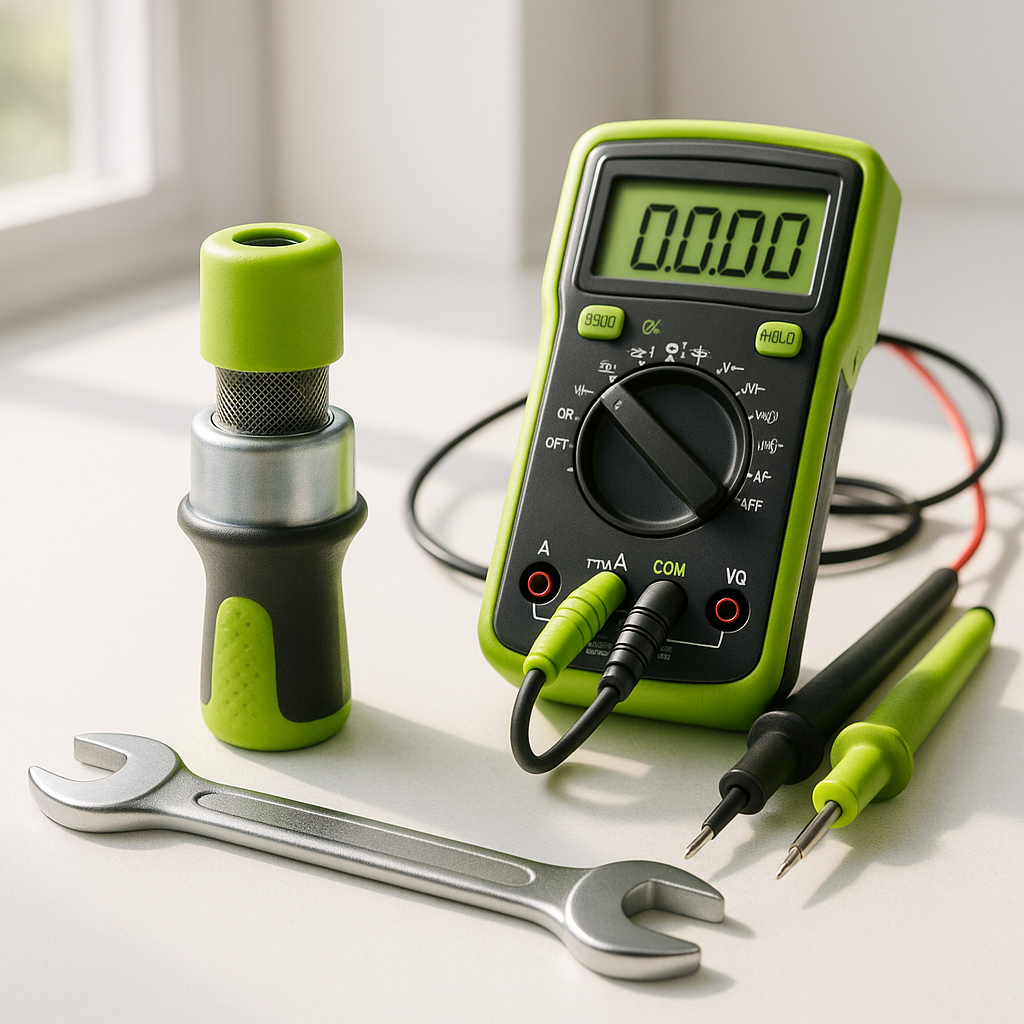
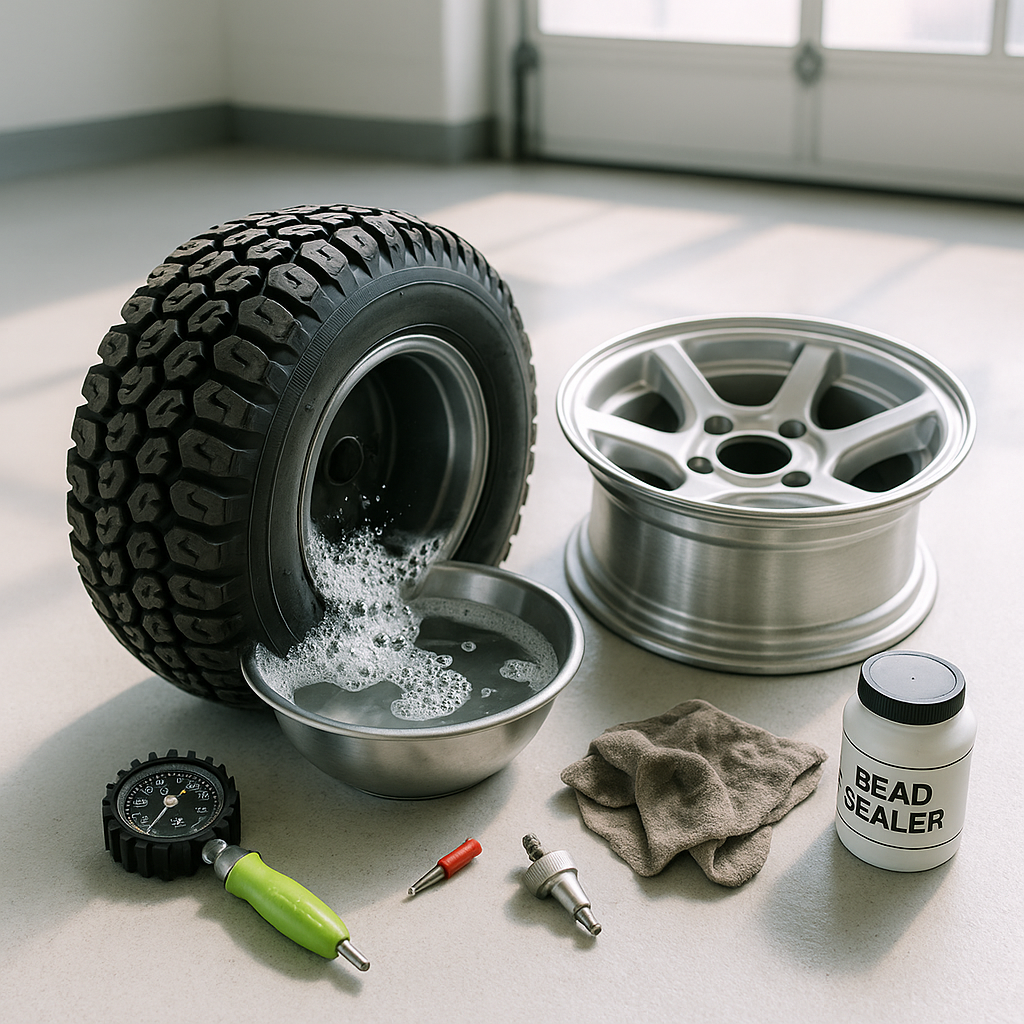
Valve stems are the single most overlooked source of slow leaks on golf cart tires. The rubber degrades with age and UV exposure, and the valve core inside can loosen on its own over time — especially after any tire work. Before doing anything else, inflate the tire to its normal operating pressure, then spray soapy water directly on the valve stem base and the core tip. Bubbling at the base means the stem itself needs replacing (a quick, inexpensive fix). Bubbling at the tip usually means the core is loose and just needs to be snugged down with a valve core tool, which costs almost nothing.
Check for a Puncture in the Tread or Sidewall
If the valve stem checks out, move on to the tire surface. Inflate the tire fully, then spray soapy water across the entire tread face in sections, working methodically around the circumference. Don't forget the sidewalls — nails and wire fragments sometimes enter at an angle and end up embedded there. Small punctures in the tread can often be plugged or patched successfully. Sidewall punctures are a different story: the sidewall flexes constantly under load, so plugs and patches rarely hold reliably there, and replacement is usually the right call.
Inspect the Bead Seal
Golf cart tires, especially if they've been run flat even briefly or if the rim has any surface corrosion, can develop a leak right where the tire bead seats against the rim. With the tire inflated, spray soapy water around the entire inner and outer bead area — the edge where rubber meets metal on both sides. Steady bubbling here points to a bead leak. Sometimes cleaning the rim surface and reseating the tire fixes it; older or heavily corroded rims may need the rim surface cleaned and sealed, or in bad cases, the rim replaced.
Look at the Rim Itself
Cracked or bent rims — particularly plastic or older alloy wheels — can leak air even when the tire is in perfect shape. A rim that took a hard curb hit might have a hairline crack that's nearly invisible until you apply soapy water under pressure. Run your soapy water over the entire rim face, spoke areas, and especially anywhere near impact marks. Plastic rims that are cracked aren't repairable; a metal rim with a minor bend can sometimes be straightened by a shop, but if structural integrity is in question, replacement is safer.
Consider the Tube (If Your Tires Are Tubed)
Some golf cart tires — particularly older carts and certain off-road setups — run inner tubes rather than being tubeless. If your setup uses tubes, a leak in the tube itself won't always be obvious from the outside of the tire. The tire will need to come off the rim and the tube removed for a proper inspection. Submerge the inflated tube in water and look for bubbles, just like you would with a bicycle tube. Tubes can be patched, but if the tube is old, brittle, or has multiple patches, replacing it outright is more reliable.
When the Leak Is Slow and Hard to Find
If you can't locate the leak with soapy water and the tire goes flat over the course of days rather than hours, you may be dealing with a very slow bead leak, a tiny puncture, or even air permeating through a damaged or very old tire carcass. In this situation, having the tire submerged in water by a shop (the most reliable leak detection method) is worthwhile. Alternatively, some owners use tire sealant products as a temporary measure to manage slow leaks — understand that these can make a proper repair messier down the road, and they don't work reliably on bead leaks or valve issues.
Preventing Repeat Flats
Keeping tires at the manufacturer-recommended pressure is the most effective preventive step — underinflated tires are far more vulnerable to punctures, bead damage, and sidewall failures. Check pressure when the tires are cold for an accurate reading. Inspect tires regularly for embedded debris, cracking, or unusual wear patterns. And if a rim keeps causing bead leaks even after cleaning and reseating, address it rather than repeatedly inflating — a rim that won't seal properly will just keep causing the same problem.