A golf cart tire that keeps going soft is one of those problems that feels minor until it isn't. Left alone, a chronically low tire throws off your handling, wears unevenly, and can damage the wheel rim if you run it too far down. The good news is most causes are predictable and easy to track down if you work through them methodically. This guide covers the most common reasons a golf cart tire loses air — and how to tell which one you're dealing with.
Start With a Basic Visual and Soap Test
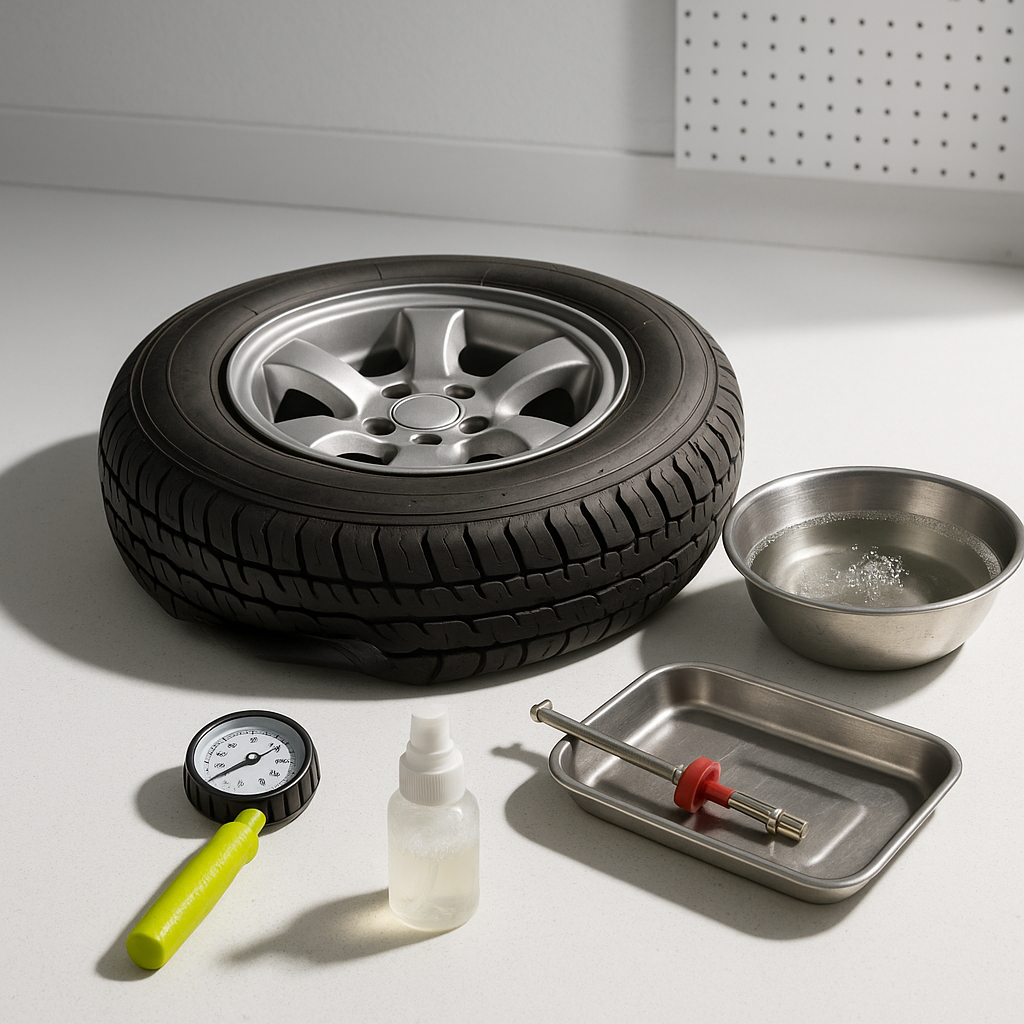
Before you pull anything apart, pump the tire to its normal operating pressure and do a slow walk-around inspection. Look for any obvious object embedded in the tread — a screw, nail, or wire is the most common culprit on carts that see road or path use. If nothing is visible, mix dish soap with water and brush it over the entire tire surface, including the sidewalls, the bead area where the tire meets the rim, and around the valve stem. Bubbles will form immediately at any active leak point. This simple test tells you exactly where to focus your attention and saves a lot of guesswork.
Check the Valve Stem First
Valve stems are one of the most frequently overlooked sources of slow leaks. The rubber can crack and dry out over time, especially on carts that sit outdoors year-round. Apply your soapy water directly to the stem opening and around its base where it meets the rim. If you see bubbling there, the fix is cheap and straightforward — a new valve stem core or a full stem replacement. Always keep a valve core tool in your cart bag; it's a two-dollar fix that can save you a long walk.
Inspect the Bead Seal
If the valve stem checks out, move your attention to the bead — the edge of the tire that presses against the rim. Bead leaks are especially common on golf carts because the tires run at relatively low pressures, and any corrosion, dirt buildup, or rim damage can break that seal. Bubbling along the inner or outer bead line is a clear indicator. Bead leaks often respond to cleaning the rim surface and reseating the tire with a fresh bead seal, but a badly corroded or bent rim may need to be replaced to hold a seal reliably.
Look for Sidewall Damage and Tread Punctures
Run your hand carefully around the entire tire — sidewalls included — feeling for bulges, cuts, or embedded debris. A nail or screw in the tread can seal itself partially and cause a slow leak that only shows up over days. Sidewall damage is a different story: cuts or bubbles in the sidewall mean the tire's structural integrity is compromised, and no patch or plug is a safe fix there. A damaged sidewall is a replacement situation, full stop. Don't patch a sidewall and trust it on a moving vehicle.
Consider the Rim Itself
Plastic or alloy golf cart rims can crack, warp, or corrode in ways that are hard to see but very effective at letting air escape. If your soap test shows bubbling spread along a wide section of the bead rather than one tight spot, suspect the rim. Hairline cracks in plastic wheels are particularly sneaky — they may only leak under load. Remove the tire and inspect the rim surface carefully in good light. A cracked or badly corroded rim should be replaced rather than repaired.
When the Tire Itself Is the Problem
Golf cart tires have a real service life, and an old tire that's dried out and cracked is going to leak through the rubber itself, especially in the sidewalls. If your tires are showing visible cracking, feel brittle, or have significant flat-spotting from sitting, the tire is past its useful life regardless of how much tread appears to remain. Age-related deterioration is one of the main reasons golf cart owners end up chasing leaks that seem to have no single obvious source — the whole tire is compromised, not just one spot.
After the Repair: Check Your Hubcaps and Wheel Hardware
Once you've tracked down and fixed the leak, it's worth a quick check of your hubcaps and wheel fasteners. A hubcap that's cracked, missing, or poorly seated can allow debris and water to contact the valve stem and rim, accelerating the kind of corrosion that causes future leaks. Wheel nuts or bolts that have worked loose can also distort the bead seat over time. A few minutes of preventive attention here goes a long way toward keeping the problem from coming back.