A golf cart that vibrates, wobbles, or shakes while moving isn't just uncomfortable — it's telling you something is wrong. Most of the time, the culprit lives in the wheels and tires, and the fix is straightforward once you know what to look for. The tricky part is that several different issues can produce similar symptoms, so a methodical approach saves you time and guesswork.
Start With the Tires
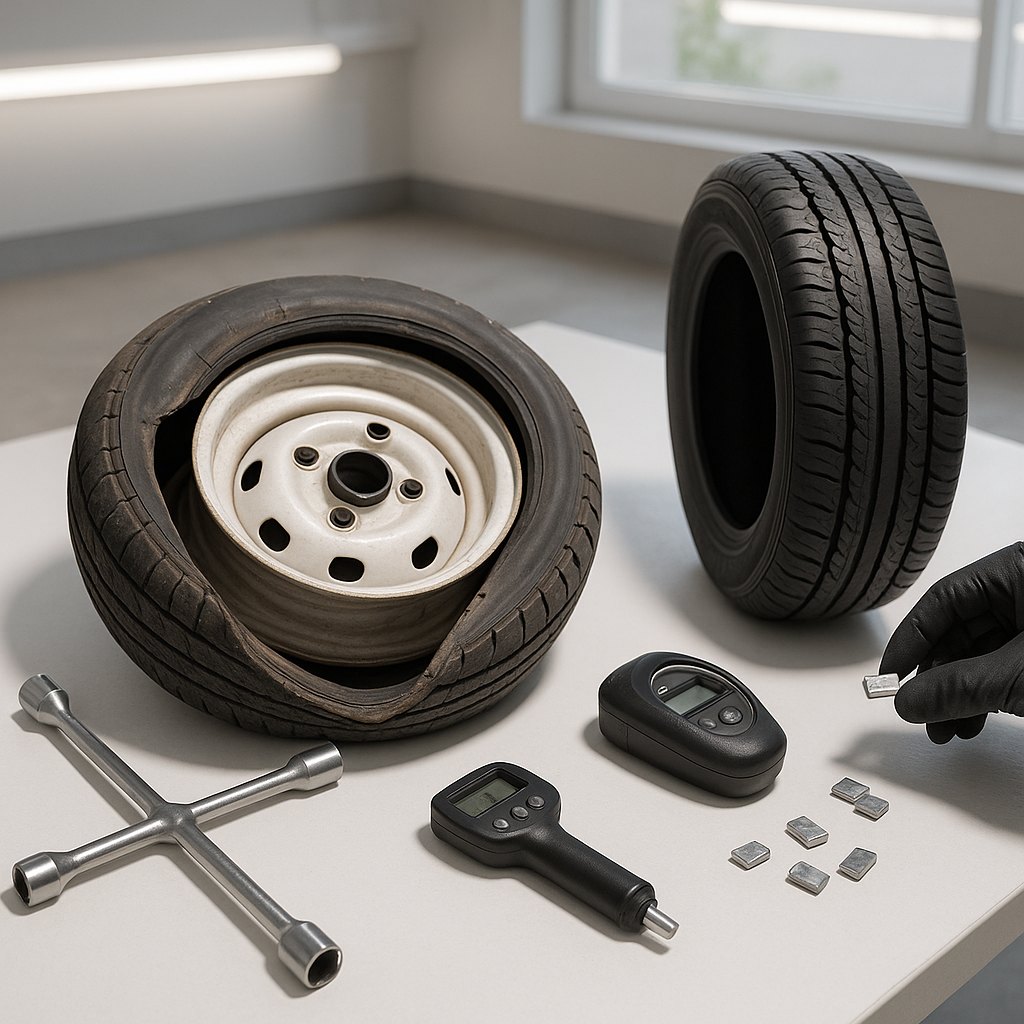
The most common cause of vibration in a golf cart is a tire issue, and the first thing to check is air pressure. An underinflated tire doesn't roll smoothly — it deforms under load and creates a rhythmic thudding or shimmy that gets worse at higher speeds. Check all four tires and inflate to the pressure stamped on the sidewall. While you're there, look for visible bulges, cracking in the sidewall, or flat spots. A flat spot can develop when a cart sits unused for an extended period, and it typically produces a thumping sensation that may work itself out after the tire warms up — or may not, if the flat spot is severe enough to require replacement.
Check for Wheel and Tire Runout
Runout means the wheel or tire isn't perfectly round or isn't sitting centered on the hub. To check for it, jack up one corner of the cart at a time and spin the wheel by hand while watching the tire's edge from the side and from behind. If the tire wobbles side to side or bounces up and down as it spins, you have runout. This can be caused by a bent wheel, a damaged bead seat, or a tire that seated unevenly when it was mounted. Hubcaps and wheel covers can mask a bent rim, so if you're troubleshooting vibration, remove any covers to inspect the wheel itself.
Inspect the Wheel Fasteners
Loose lug nuts are a surprisingly common vibration source that's easy to overlook. A wheel that's even slightly loose will wobble under load and produce a shaking sensation that often feels like it's coming from the whole front or rear end. Snug up all lug nuts and then recheck them after a short test drive, since newly tightened fasteners can settle. While you're at it, inspect the hub face and the back of the wheel for any rust buildup or debris sitting between the wheel and hub — even a thin layer of grime or corrosion can prevent the wheel from seating flush, which creates an imbalance.
Look at Wheel Bearings
If you've ruled out tire pressure, runout, and loose fasteners, the next place to look is the wheel bearings. With the wheel jacked up, grab the tire at the 12 o'clock and 6 o'clock positions and try to rock it in and out. Any play you feel indicates bearing wear. Then grab at the 9 and 3 o'clock positions — play here is more likely a tie rod or spindle issue. Worn bearings typically produce a humming or grinding noise that changes pitch with speed, but in early stages they can cause vibration without obvious noise. A bearing that's starting to go won't always feel dramatically loose, so if you're chasing an unresolved vibration and other causes are eliminated, don't dismiss bearings too quickly.
Consider Balance and Load Distribution
Golf carts aren't typically balanced the same way passenger car tires are, but significant imbalance in a tire — especially a larger aftermarket tire — can absolutely cause speed-dependent vibration. If your cart has had a recent tire upgrade or you're running larger-than-stock tires, balance is worth considering. Imbalance-driven vibration usually appears or worsens at a consistent speed range rather than being constant at all speeds. Also check whether you're carrying an uneven load — accessories like rear cargo boxes or cooler mounts that are heavily weighted to one side can amplify vibration that might otherwise be unnoticeable.
Check the Hubcaps and Wheel Covers
Hubcaps and decorative wheel covers may seem cosmetic, but a loose, cracked, or improperly fitted cover can rattle and vibrate at speed in ways that feel surprisingly structural. If your cart has hubcaps, pop them off and drive without them to see if the vibration changes. A hubcap that's partially popped off or cracked can flex against the wheel and create an intermittent buzz or rattle. If the vibration disappears without the hubcap, the cover itself is either damaged or doesn't fit the wheel correctly and needs to be replaced or properly secured.
When to Dig Deeper
If you've worked through all of the above and still can't isolate the source, the problem may be upstream of the wheels — worn suspension components, a bent spindle, or a damaged axle can all produce vibration that mimics tire and wheel problems. A visual inspection of control arms, leaf springs, and shackles for cracks or deformation is a logical next step. Vibration that only appears when braking is usually a brake-related issue rather than a wheel issue. But for most golf cart owners, the answer will be found in the tires and wheels themselves — start there, work systematically, and you'll almost always find it.