A golf cart that won't move — or one that moves inconsistently, surges, or dies under load — is one of the most common and frustrating problems owners face. The good news is that most of these issues trace back to a short list of suspects: the battery pack, the motor controller, the motor itself, or the mechanical drivetrain. Working through them in order saves you from throwing money at the wrong part.
Start With the Battery Pack
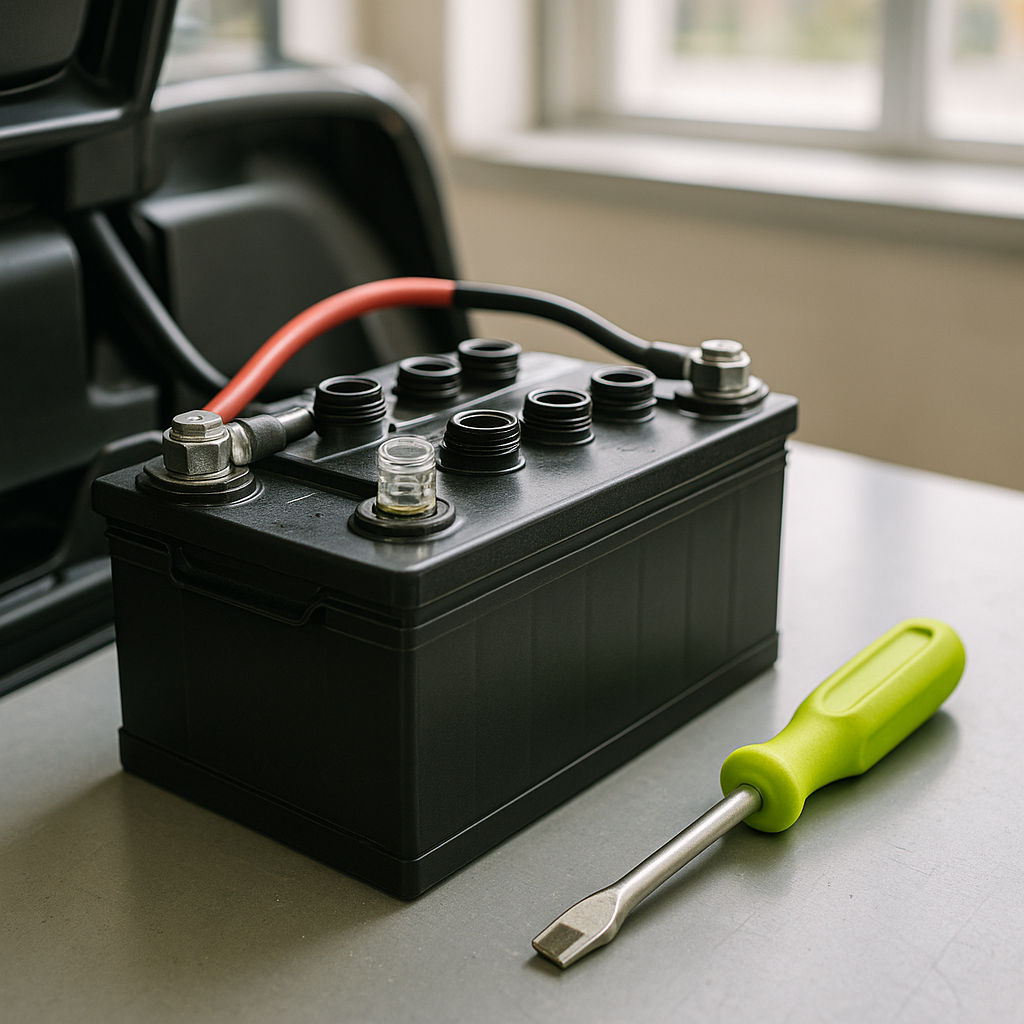
Before you touch anything electrical, fully charge your batteries and then load-test each one individually. A weak or dead cell in a single battery will drag down the entire pack and produce exactly the symptoms that look like a controller or motor problem — sluggish acceleration, cutting out under load, or a complete no-go. Check your battery terminal connections while you're in there. Corroded or loose terminals are responsible for a surprising number of "dead cart" calls. Clean connections, confirm all cables are tight, and verify you're seeing the correct pack voltage before moving on.
Check the Solenoid
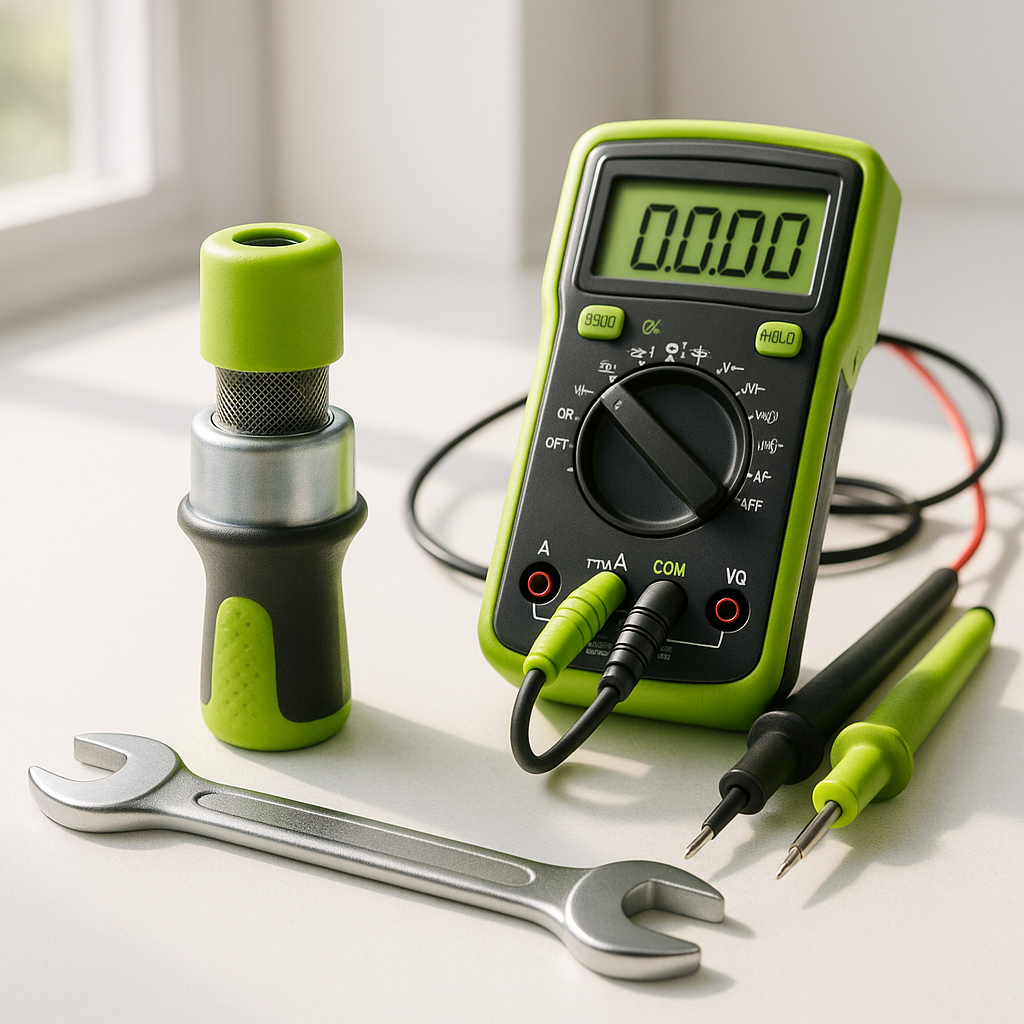
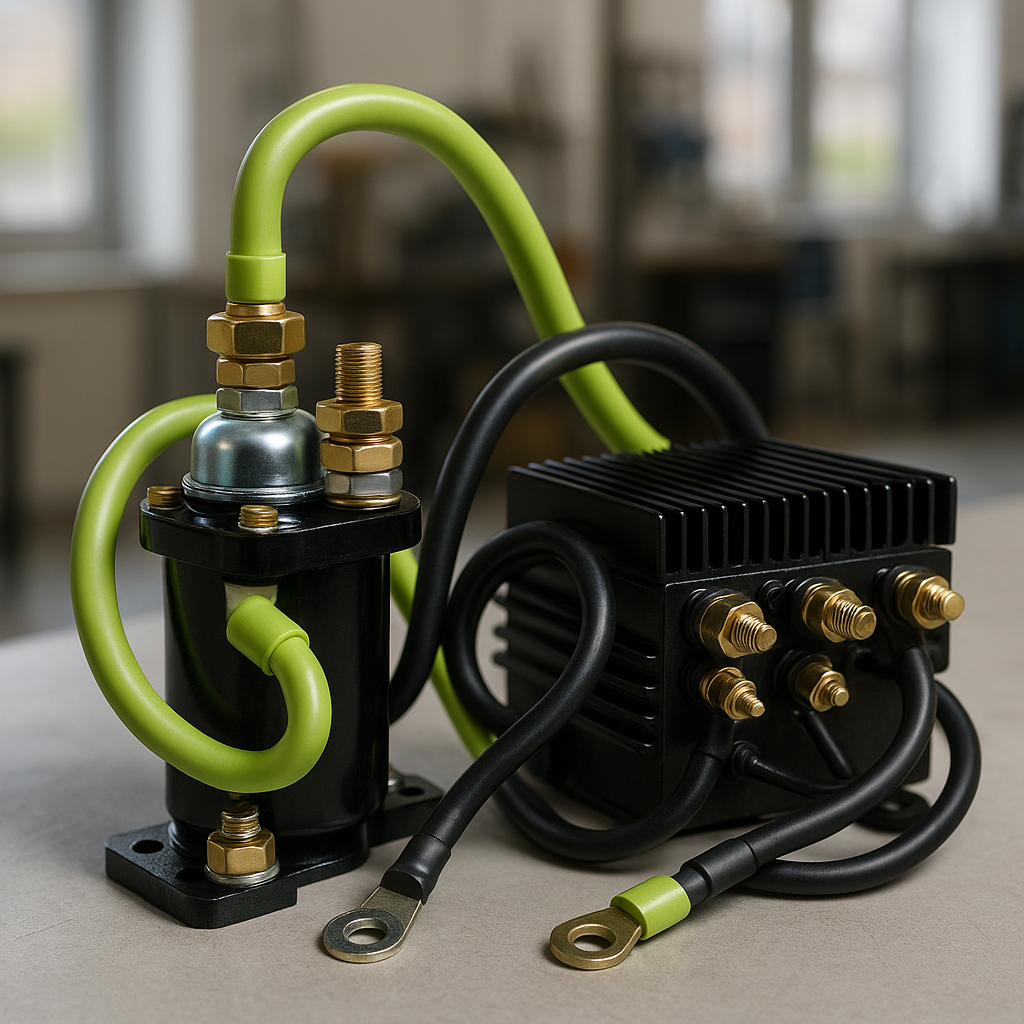
The solenoid is the high-current relay that connects your battery pack to the controller and motor when you press the accelerator. When you step on the pedal, you should hear a firm click from the solenoid. No click usually means a problem upstream — a faulty key switch, a tripped reset button on the motor, a bad accelerator micro-switch, or a failed solenoid itself. A click with no power to the motor shifts suspicion downstream. You can test solenoid output voltage with a multimeter to confirm whether it's passing power through.
Inspect the Motor Controller
The motor controller is the brain of an electric golf cart's drivetrain — it takes battery voltage and modulates it to control speed and torque. Controllers can fail from water intrusion, heat, age, or a hard short elsewhere in the system. Most modern controllers have some form of fault protection and will shut down rather than run in a damaged state. Some have LED fault codes or blink patterns; check your cart's service manual for what those mean. Visually inspect the controller for burn marks, swollen components, or corrosion on the connections. A controller that's been flooded or run hot repeatedly is a common failure point, especially on older carts.
Test the Motor
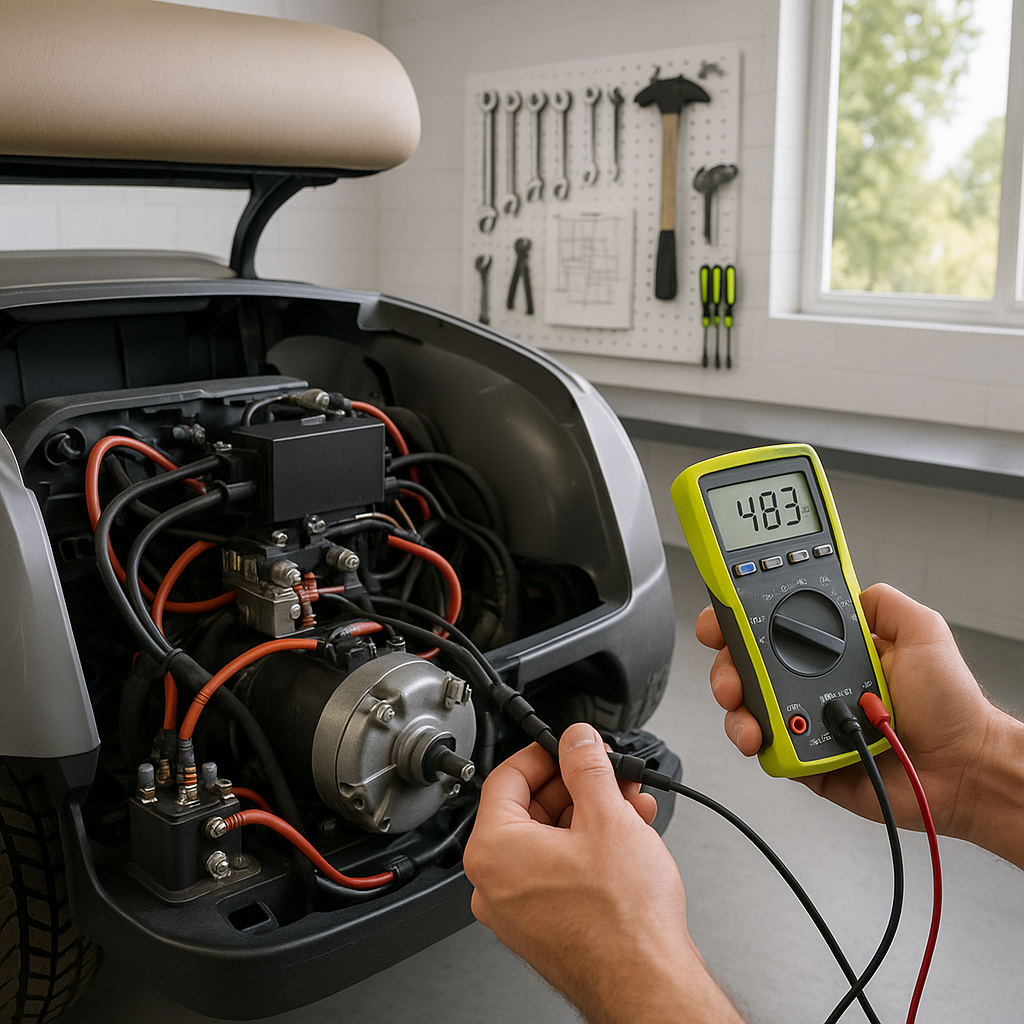
DC series-wound motors — the most common type in older electric carts — are generally robust, but brushes wear down over time and armatures can fail. If the controller is passing voltage to the motor but the cart still won't move, check for power at the motor terminals. If power is present but the motor doesn't turn, the motor itself may be the problem. A motor that turns freely by hand when disconnected but won't run under load often has an internal issue. Brush replacement is a legitimate DIY repair on many motors if you're comfortable with it.
Don't Overlook the Mechanical Side
Electrical systems get most of the attention, but a seized brake cable, a stuck parking brake, or a failed differential can make a perfectly healthy drivetrain appear dead. If you can hear the motor trying to run but the cart won't move, disconnect the motor from the drivetrain and test it unloaded. A brake cable that's frayed or corroded can stick the rear brakes partially engaged, creating drag that feels like lost power — particularly on hills or after the cart has sat for a while in wet conditions.
When to Replace vs. Repair
Controllers and motors are both repairable in theory, but repair costs and availability vary widely. For older or high-mileage carts, replacement often makes more economic sense than rebuilding, especially on the controller side. When sourcing a replacement controller, the critical specs are voltage compatibility with your pack and current rating appropriate for your motor — getting either of those wrong can damage the new part immediately. Brake cables and solenoids are straightforward, affordable replacements that most owners can handle themselves with basic tools. Take the time to diagnose accurately before ordering parts, and you'll save yourself at least one unnecessary return.