A golf cart that rolls forward without complaint but refuses to back up is a surprisingly common problem — and a frustrating one, especially when you're trying to maneuver in a tight garage or around the course. The good news is that reverse failures usually follow a short list of causes, and most of them are things you can check yourself before handing the cart off to a shop.
Start With the F/R Switch
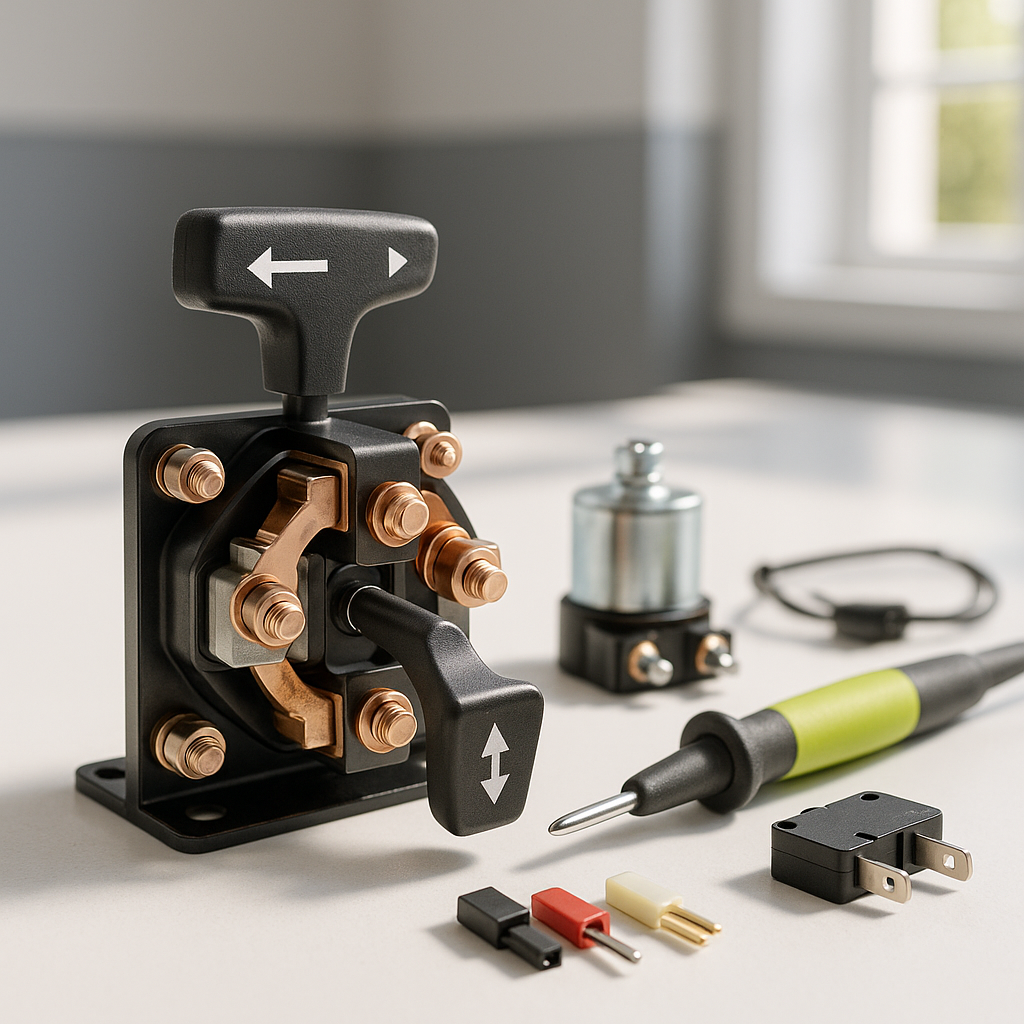
The forward/reverse switch (sometimes called the F/R switch or direction switch) is the single most common reason a cart loses reverse. On most carts, this switch physically changes the direction of current flow to the motor. The contacts inside can corrode, burn, or simply wear out — and they often fail on just one side, leaving forward working normally while reverse is dead. With the cart off and the key out, inspect the switch for visible burn marks, corrosion, or loose wiring connections at the terminals. Wiggling the switch or cleaning the contacts sometimes restores function temporarily, which is a strong indicator the switch is your problem.
Check the Reverse Buzzer and Warning Circuit
Many golf carts are wired so that the reverse buzzer is part of the reverse circuit — not just a safety beep bolted on as an afterthought. If the buzzer has failed, shorted, or been bypassed incorrectly, it can interrupt the reverse function entirely on some models. If your cart has a reverse warning buzzer, check whether it sounds when you select reverse. No sound at all is a clue worth following. Inspect the buzzer wiring for breaks or corrosion, and make sure any previous owner didn't splice or remove it in a way that opened the circuit.
Inspect the Wiring and Connections in the Reverse Path
Electric golf carts route current through a series of connections that are specific to the reverse direction. Terminals, connectors, and wiring that see intermittent use — like the reverse side of the direction switch — are more prone to corrosion than those used constantly. Go through the wiring between the F/R switch, the controller, and the motor. Look for frayed wires, loose spade connectors, or terminal screws that have backed out. A connection that looks fine visually can still have high resistance; gently tug each connector to confirm it's fully seated.
On Electric Carts: Consider the Controller
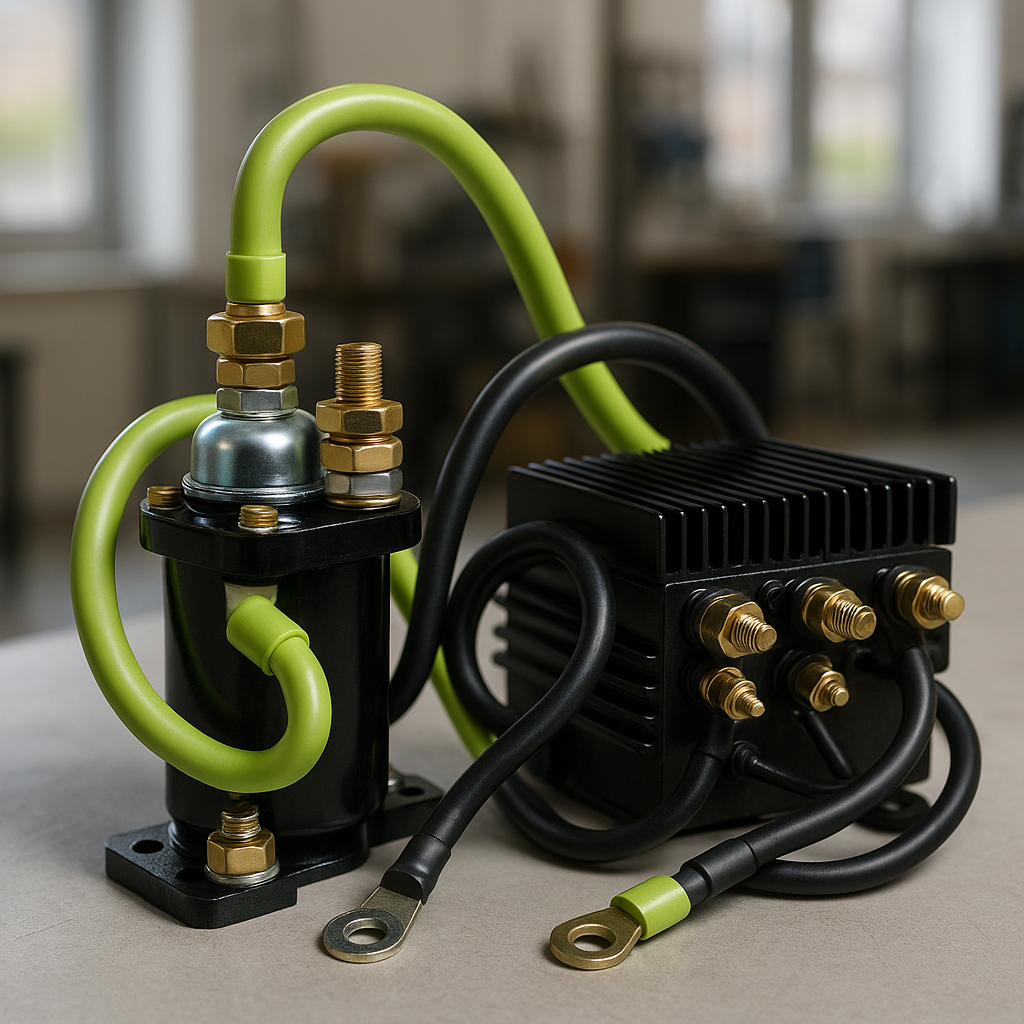
Modern electric golf carts use a motor controller that manages speed and direction electronically. Controllers can develop faults that affect only one direction of travel — sometimes because of an internal component failure, sometimes because of a fault code triggered by something else in the system. If your cart has a controller with a diagnostic port or LED fault codes, check those first. A controller that's throwing a fault related to the direction signal or motor output is worth noting before you start replacing other parts. Controllers aren't cheap, so rule out everything upstream before pointing the finger there.
Gas Carts: Look at the Mechanical Reverse Linkage
If you're running a gas-powered cart, reverse is handled mechanically — typically through a gearbox or transaxle with a physical reverse gear. If the cart grinds when you try to engage reverse, won't go into gear at all, or pops back out of reverse, the issue is usually in the shift linkage or the transaxle itself. Check whether the shifter linkage is bent, disconnected, or out of adjustment before assuming the worst. A cable or rod that's slipped out of position is a much simpler fix than a transaxle rebuild.
Don't Overlook the Pedal Interlock and Safety Switches
Most golf carts have one or more safety interlock switches — often tied to the pedal assembly or seat — that must be engaged for the cart to operate. Some carts also have a separate interlock that only affects reverse. If one of these switches is sticking, misaligned, or has failed, it can block reverse without affecting forward motion. Test by pressing the pedal firmly and listening for any click from switches in the pedal box. Compare whether the behavior changes at all with pedal pressure fully applied versus partially applied.
When to Stop DIYing It
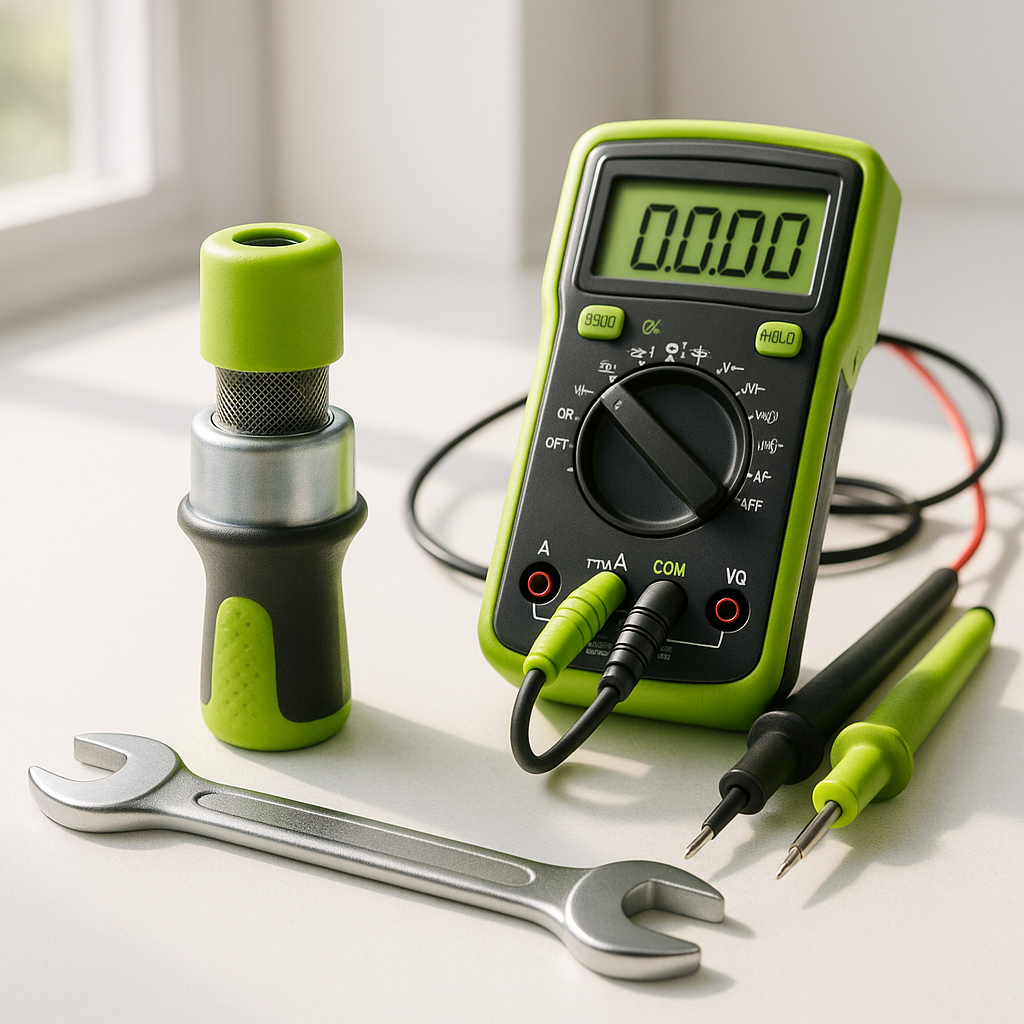
If you've worked through the F/R switch, wiring, buzzer circuit, and relevant safety switches without finding the problem, and the controller isn't throwing a clear fault, you're likely looking at an internal controller failure or a transaxle/gearbox issue on a gas cart. Both of those warrant a hands-on diagnosis with a multimeter and, for controller faults, ideally a diagnostic tool that can read the specific fault codes for your cart's make and model. At that point, a qualified golf cart technician will save you more time and money than further guessing.